

MATHIEU JAMINET ON HIS FRESH START WITH GENESIS MAGMA RACING
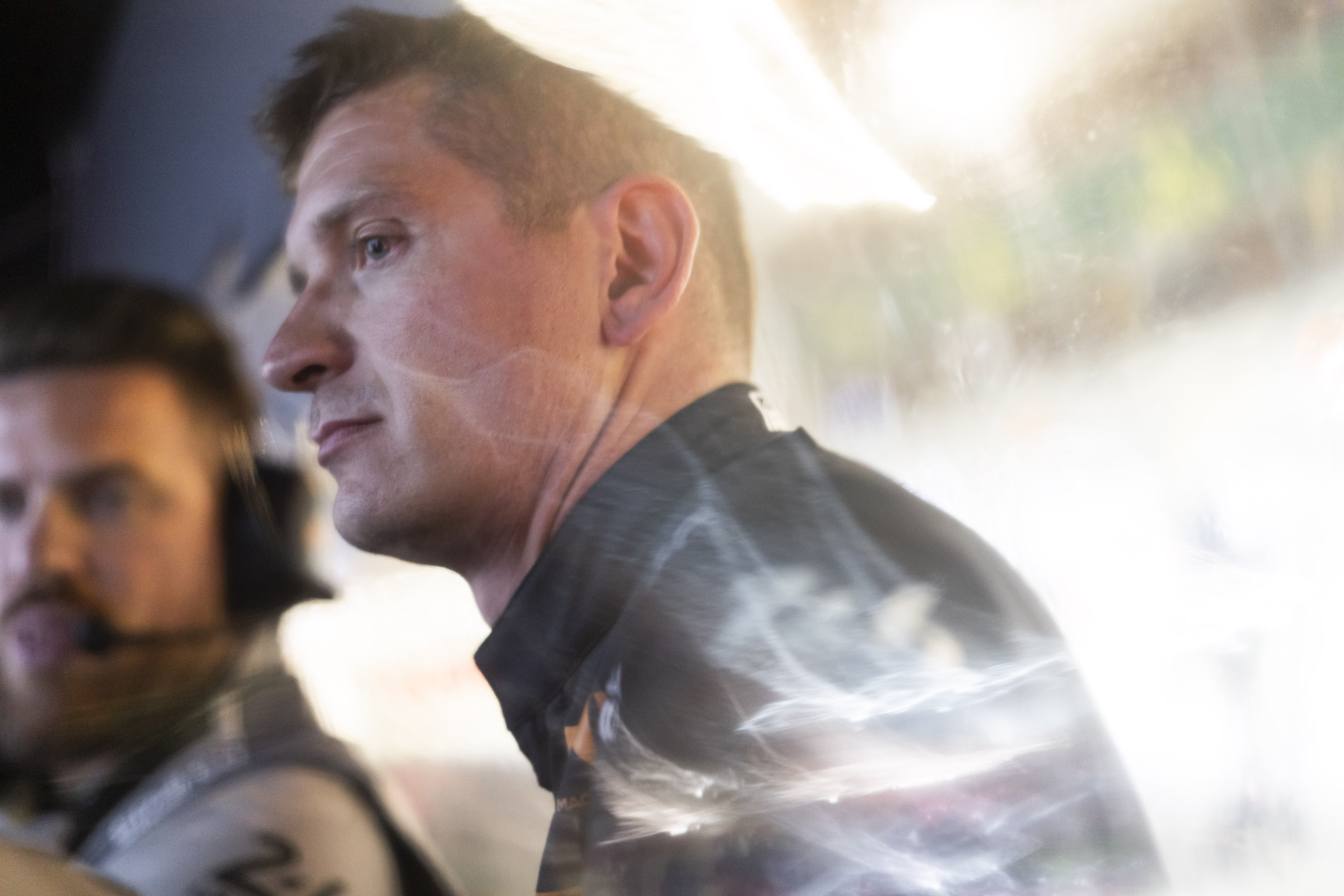
FUJI, Japan, Sept. 23, 2026 — Mathieu Jaminet joined Genesis Magma Racing last year at the start of an exciting new chapter for both the driver and the team. As a brand-new program making its highly anticipated debut in the 2026 year’s FIA World Endurance Championship (WEC), Genesis Magma Racing represents a historic milestone in motorsport history.
For the French driver, who is in the midst of prepping for the upcoming 6 Hours of Fuji, the primary appeal was the rare opportunity to help build and shape a factory racing effort from its earliest stages — while proudly representing the first Korean brand to compete at the legendary 24 Hours of Le Mans.
“I really wanted a new challenge,” Jaminet said. “After last year, I wanted a fresh start, and what’s better than going with a brand-new team that has to establish itself in the World Endurance Championship.”
“I wanted to build something completely new and have a chance to make a small impact on the future success of the brand — the first ever Korean brand to go to Le Mans,” he said. “So, I was excited about that, and that’s why I chose to join Genesis Magma Racing.”
A Proven Championship Pedigree
Before taking on this new endeavor, Jaminet established himself as a dominant force in top-tier endurance racing series. While Genesis Magma Racing is navigating its debut season, this is not Jaminet's first time competing in the WEC or the Hypercar class. He previously competed in the WEC's Hypercar class with Porsche Penske Motorsport, adding to a wealth of prototype experience that includes more than 24 Hypercar starts across the globe.
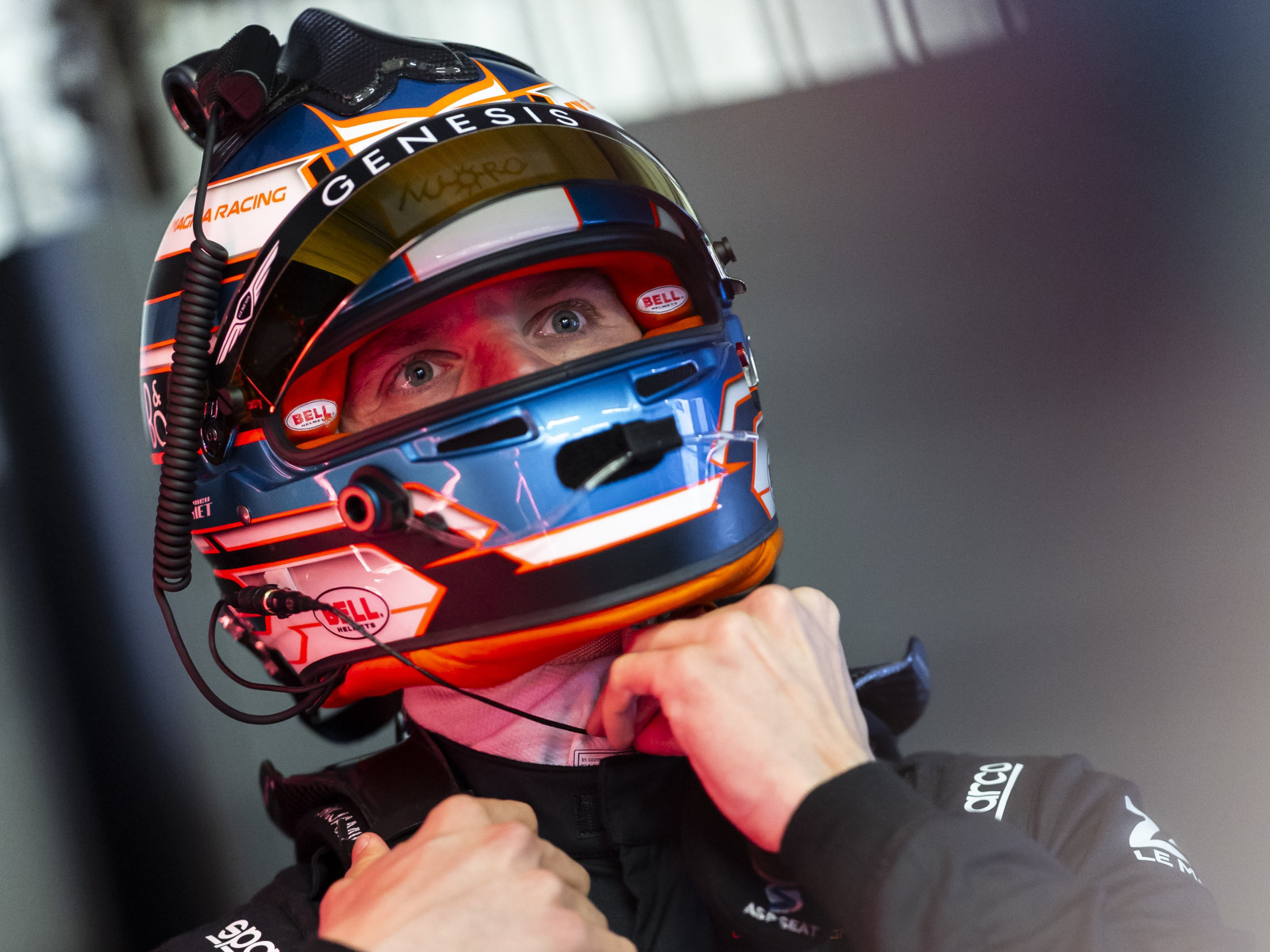
Jaminet rose from a Porsche Junior to an elite factory driver over a decorated decade-long stint. He captured early career titles like the 2016 Porsche Carrera Cup France and the 2018 ADAC GT Masters, before taking North American endurance racing by storm.
In International Motor Sports Association (IMSA), Jaminet clinched the 2022 GTD Pro Championship — which included a prestigious class victory at the Rolex 24 At Daytona — before moving up to the premier prototype class to capture the 2025 IMSA GTP Championship title. His jump to Genesis Magma Racing marks a bold leap out of his established comfort zone to steer a brand-new Hypercar program from the ground up.
Working in a Smaller Team
Jaminet says the smaller size of Genesis Magma Racing has made day-to-day communication more direct across the drivers, engineers and mechanics.
“It is obviously a very different culture and atmosphere than what I was used to in the past,” he said. “The team is quite a bit smaller, which on one hand is good — communication is way easier, the flow is good within mechanics, engineers, and the driver group. It’s easier to pick up on information and feedback, and to share our inputs as well.”
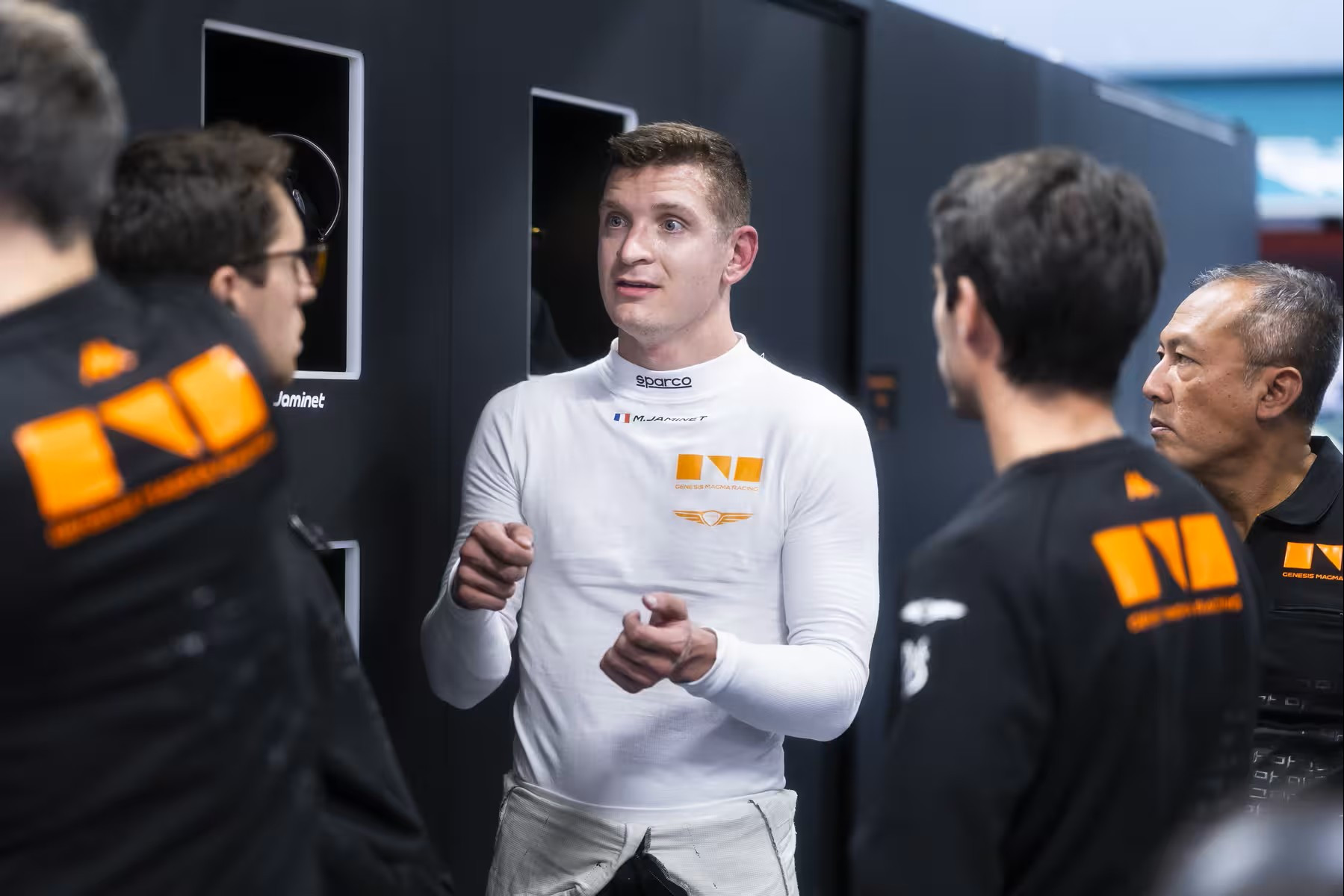
He sees the team’s mix of experiences as a benefit while the program continues to develop.
“Everyone comes with some experience from the past, and it’s a place where everyone can share their thoughts and try to move the team forward,” Jaminet said. “I really like that — it’s super cool to work with the team, we have good fun on and off the track. I’m happy and looking forward to continuing like that.”
Consistency Across Both Garages
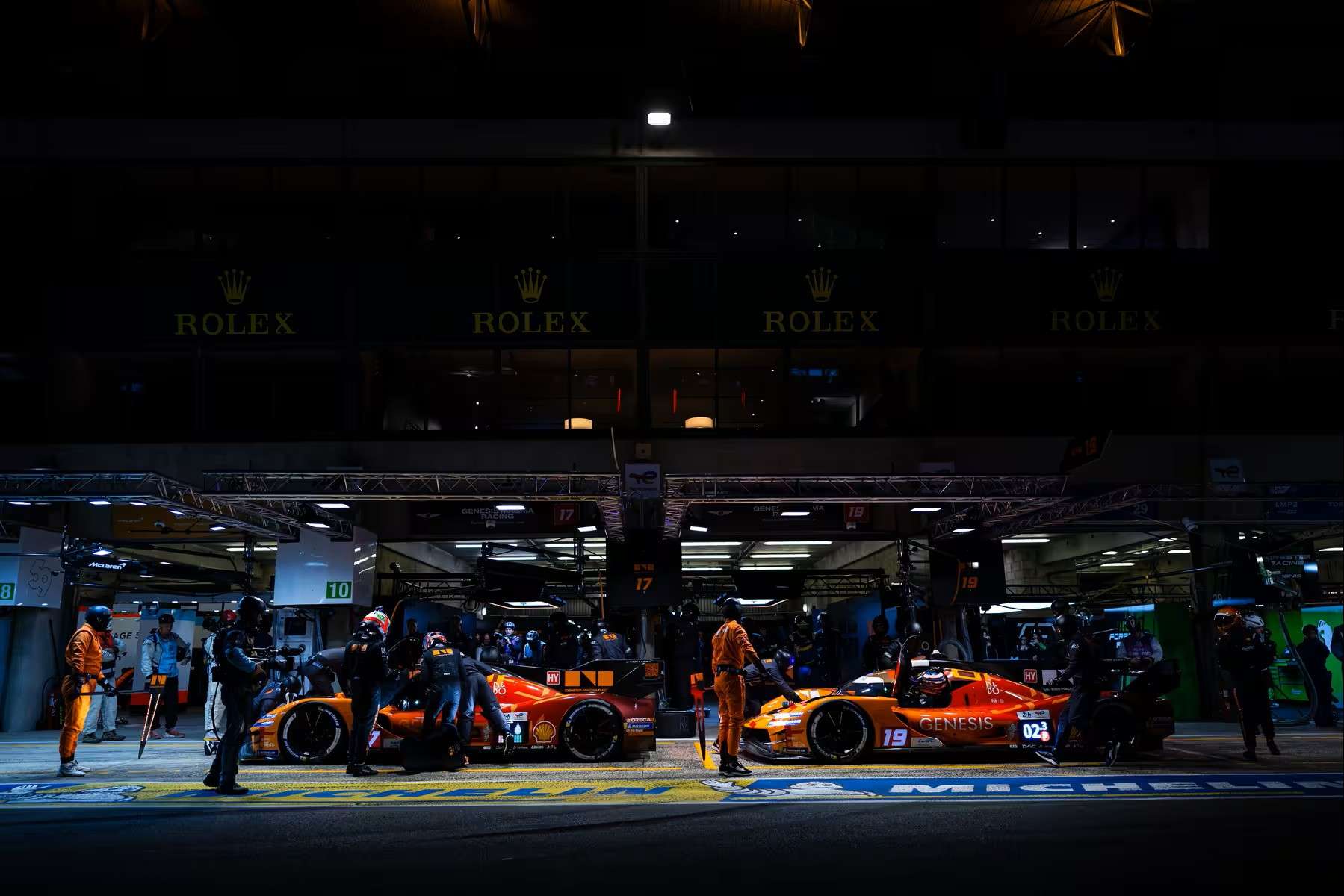
Genesis Magma Racing runs two Hypercars in the WEC: #17 and #19. According to Jaminet, the goal is for there to be as little technical difference as possible between them.
“There shouldn’t be much difference between the two cars — at least from a technical standpoint, you want both cars as well prepared as possible, in exactly the same way,” he said.
The main differences are practical and driver-specific. In the #19 car, the seat is set up around Jaminet, with inserts used to accommodate his teammates.
“If we talk small differences, one is the seat — made to fit each driver,” he said. “On #19 car the base seat is set for me as the tallest driver, and Paul and Dani use inserts to fit. Aside from that and some different colors and stickers on the bodywork, there’s normally no difference between the cars.”
Preparing for Different Roles
In endurance racing, three drivers share the same car. That makes planning important, both before a race weekend and during each practice session.
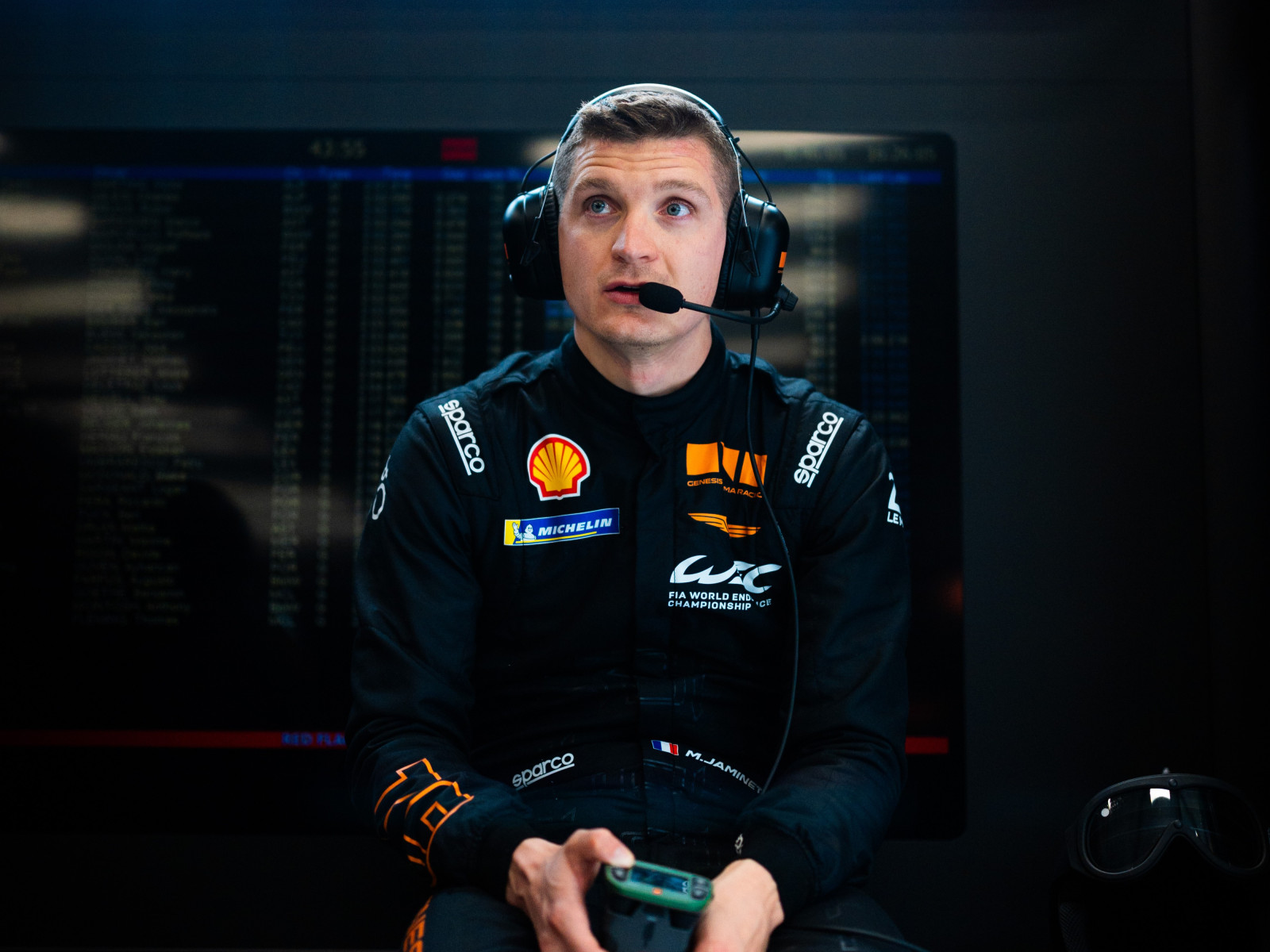
“In endurance racing, we’re three drivers sharing a car, so we try to define each person’s role before the season or the weekend,” Jaminet said. “For example, I’m the qualifying driver, so my goal is to work on qualifying prep in free practice.”
Jaminet’s preparation focuses particularly on low-fuel, new-tire laps. The starting driver, Spaniard Dani Juncadella, has a different preparation requirement because the formation lap gives him time to warm the tires before the start.
“The run plan reflects each driver’s role — Dani, as the starting driver, doesn’t need to focus as much on cold tires and hard laps since he has the formation lap to warm up tires,” Jaminet said. “That’s something Paul-Loup [Chatin] and I really practice more, and I usually spend more time working on a low-fuel, new-tire run to put us as high as possible on the grid.
“We define the roles beforehand, then work on a run plan with the engineers so everyone gets laps in and is best prepared for their task,” he explained.
Recharging During Long Races
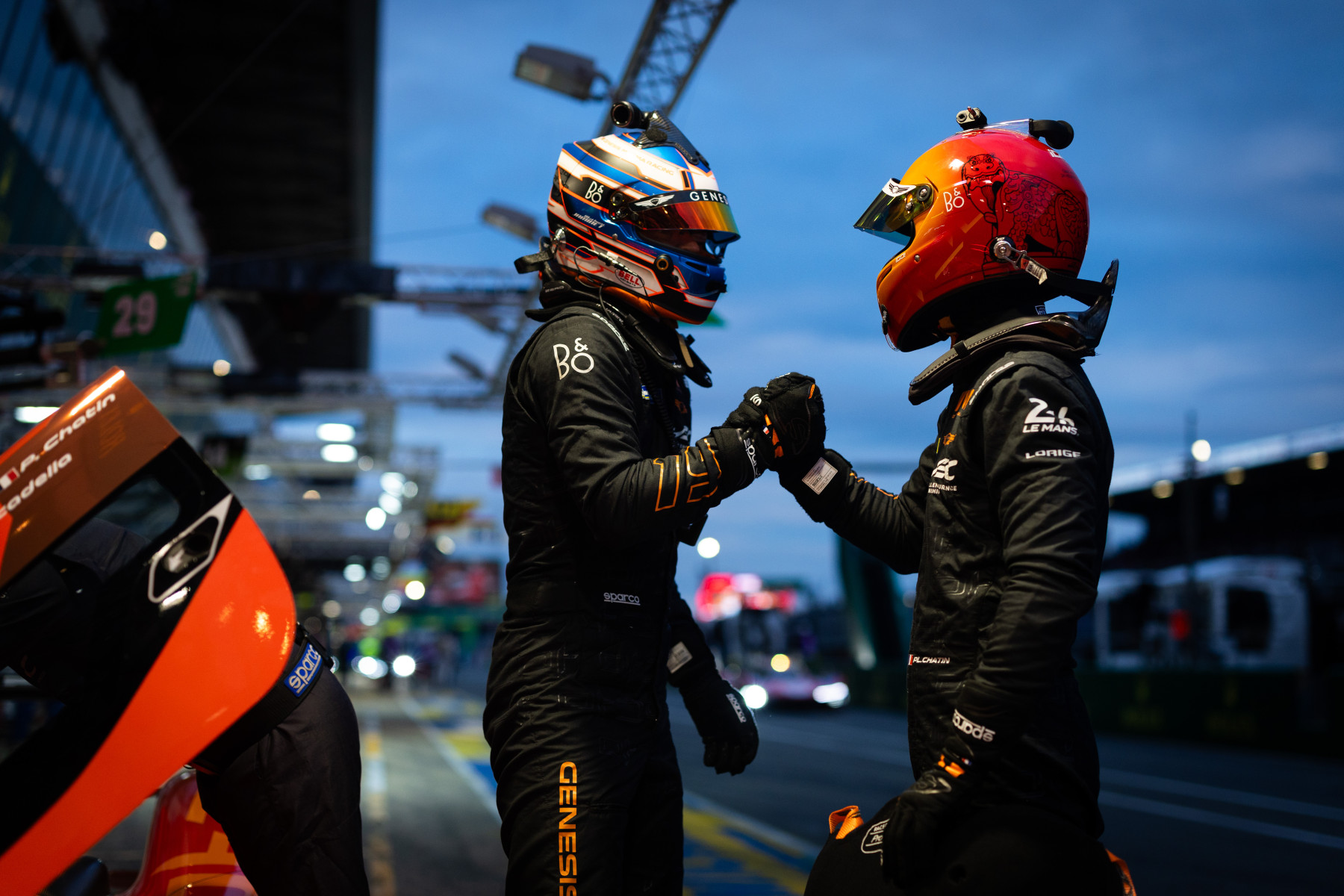
Between stints, Jaminet focuses on the usual requirements for endurance drivers: food, hydration and recovery. He does not follow a strict personal routine, but he does have one preferred snack during 24-hour events.
“I don’t really have a personal routine,” he said. “One thing I enjoy — not very common — is Nutella and bread, Nutella brioche, between stints on 24-hour races,” Jaminet confessed with a smile.
“Maybe not the best food for the body, but it recharges you a bit and gives you energy,” he added. “It’s more of a mental thing — I love Nutella, and it gives me a little moment of joy by myself, eating that piece of bread and grabbing a drink, whether after a good or bad stint.”
“Beyond that, standard food — rice, chicken, pasta — recharging on carbs, and making sure to get water, juice, and electrolytes, since you lose a lot of fluid in the car,” Jaminet said.
Completing Le Mans
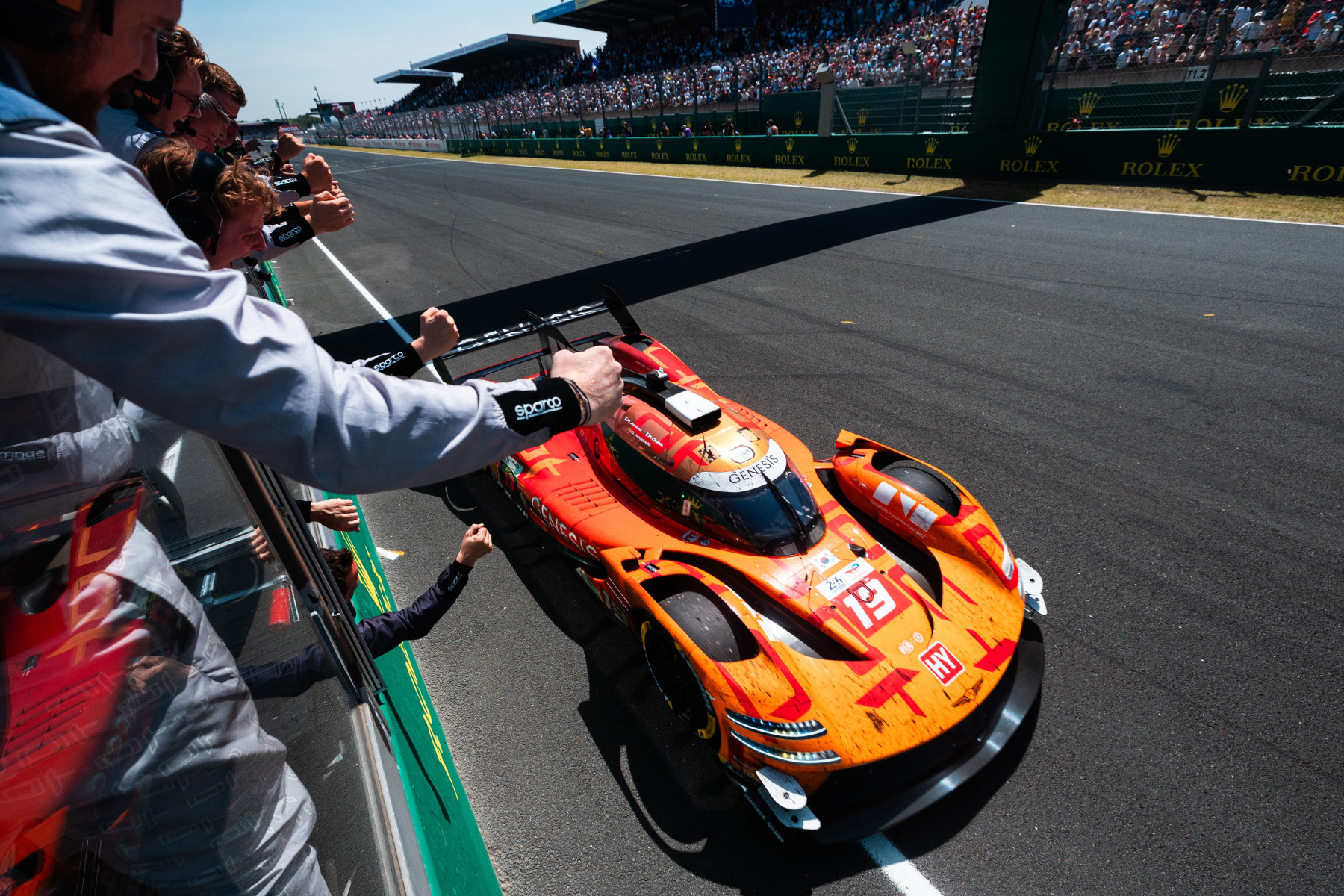
One of the season’s key milestones was Genesis Magma Racing completing the 24 Hours of Le Mans. Jaminet piloted the team’s only remaining #19 Hypercar to the finish, crossing the line to the loud cheers of his pit crew who had climbed the pit wall, waving wildly and excitedly punching the air with their fists.
To the uninitiated, the scene may have looked like a celebration of victory at the world’s most legendary race, but the #19 Hypercar had actually finished in 13th place. But for a debutant team surviving their first brutal 24-hour endurance test, finishing 13th felt like a win.
The #17 Hypercar could not continue after impact from an aggressive maneuver over a curb in the final stretch damaged the front right suspension.
Le Mans is defined as much by reliability as speed. Attrition is constant over 24 hours, and even established manufacturers see their entries retire before the checkered flag. To be officially classified as race finish, a car must also complete at least 70% of the winning car’s distance. For Genesis Magma Racing, reaching that threshold represented a successful first outing at the Circuit de la Sarthe.
“Yes, I was part of the first Korean brand that completed the 24 Hours of Le Mans. I was lucky enough to be in the car and to finish the race,” he said. “Honestly, it felt very special, I knew it jumping in.”
In the final laps, his priority was straightforward: avoid problems and bring the car home.
“I really hoped we wouldn’t have issues and to bring the car to the end,” Jaminet said. “Obviously, when you come to those last laps, you don’t feel the extra pressure, but you still don’t want to make any silly mistakes that would be costly.”
While he has finished races before, the significance of this result was different given the occasion and the responsibility he held in the final stint.
“I’ve had a chance to finish races before, it’s always special, but finishing the 24 Hours of Le Mans was a bit more emotional, knowing it’s the first time in history and I have the trust of the brand, the management and the team behind me to be the one to bring the car to the line,” he said.
“It was a privilege and I’m proud to have been part of that, and that I have written the first few lines of the history of the Genesis brand’s racing legacy.”
Signs of Progress
At Interlagos, Jaminet topped the Free Practice 2 (FP2) session on his first visit to the circuit. He saw the session result as a positive sign, while keeping a grounded perspective.
“My first visit to Interlagos — we set the best time in FP2,” he said. “Just a free practice session, but it shows that we’re taking steps and getting closer.”
Jaminet said he is generally able to get up to speed quickly when adapting to a new car or circuit.
“What helped me find pace so quickly is hard to say — I’m usually a quick learner, especially in motorsport, so I don’t need much time or many laps on a new track and a new car to try to find the limits,” he said. “It worked out well there, being my first time in Brazil.”
“In FP2 we did a qualifying simulation and the car was good. Not every team was on a qualifying simulation, but many cars were, and somehow, we topped the session,” he continued. “It might not seem like much, but it was our first official P1 on a race weekend. It all starts with a free practice, so that’s a good sign heading toward future qualifying and races later this year or next year.”
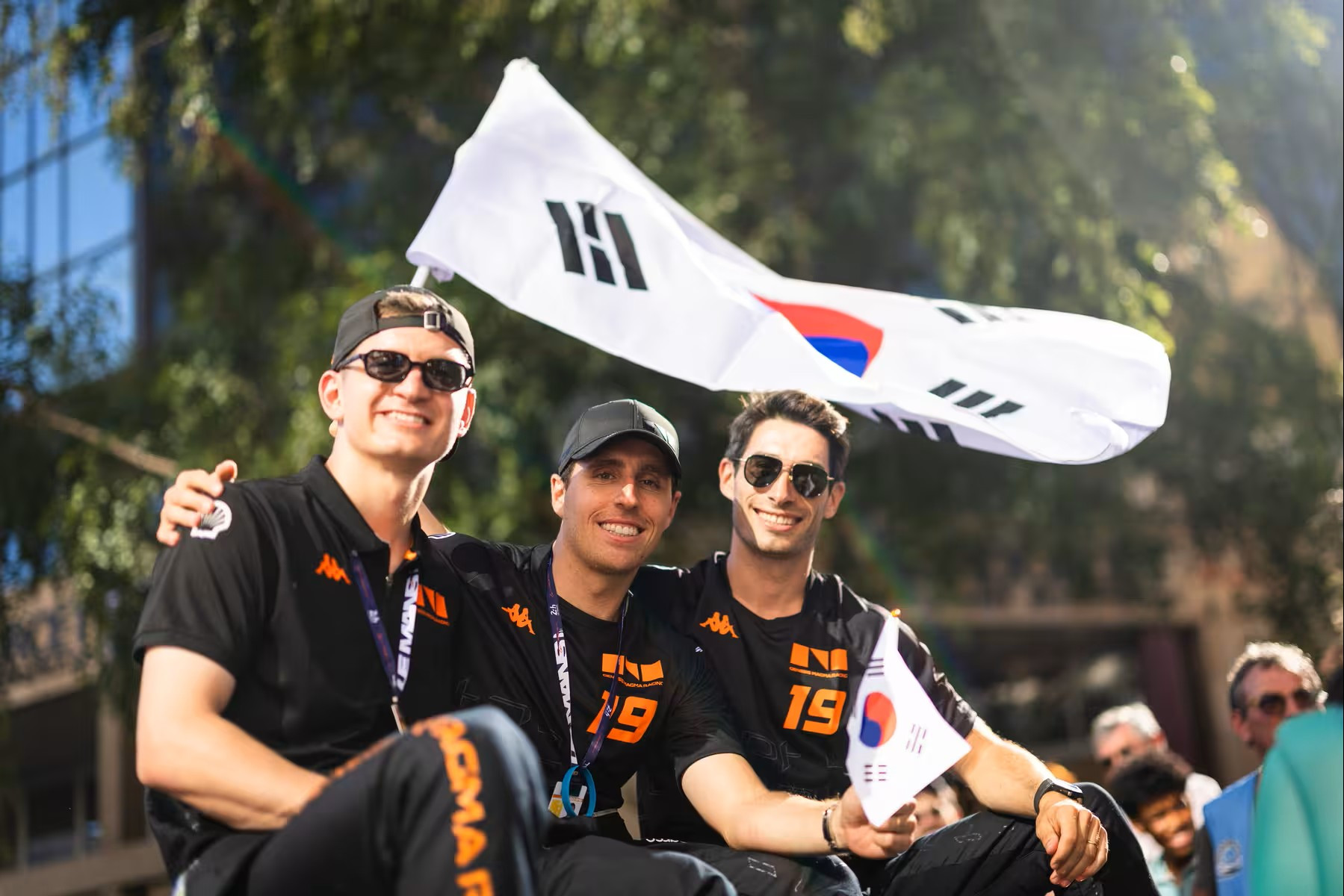
Jaminet says the team’s progress is also visible in the way it functions, and the growing relationship with their fans and followers.
“The team has completed every race so far, and it does feel like we are growing quickly — I feel that momentum going into race weekends,” he said. “We’re growing on the operational side and building trust between us. The energy of the fans and the atmosphere is also there, and their confidence in us is building.”
With just three races to go until the end of the season, he says the team is motivated by the results so far and is prepared to consider different race strategies when opportunities arise.
“One thing I like is that we’re a bit greedy — when we’re close to a point, we get creative on strategy to try to get there,” he said.
“You can feel within the team that people want to win, and honestly, that’s all I care about — I’m not interested in anything less than winning. You want people like that around you; that’s the only way to succeed.”
ㅤ