

MATHYS JAUBERT BECOMES WEC’S YOUNGEST POLE-SITTER, SECURES GENESIS MAGMA RACING’S FIRST POLE POSITION
| Summary |
| At the 6 Hours of Barcelona, 21-year-old Mathys Jaubert made FIA World Endurance Championship history by becoming the series’ youngest-ever pole-sitter and securing Genesis Magma Racing’s first pole position. The milestone highlighted both Jaubert’s rapid development in his debut Hypercar season and the growing competitiveness of the Genesis Magma Racing program, while also underscoring the team’s focus on translating qualifying pace into consistent race performance. |
BARCELONA, Spain, Nov. 6, 2026 — In just his first season in Hypercar, Mathys Jaubert became the youngest pole-sitter in FIA World Endurance Championship (WEC) history and secured Genesis Magma Racing’s first-ever pole position. For the French driver--who was promoted to Hypercar from Genesis Magma Racing's Trajectory Program--the milestone at the 6 Hours of Barcelona was both a personal reward and a glimpse of what the team can achieve.
Crossing the finish line in Barcelona in the #17 GMR-001 Hypercar, the 21-year-old was focused on one thing: whether the lap had been enough for pole.
“It’s a very special feeling, especially in my first season in Hypercar,” he says. “For me, it’s a great reward for all the work that has gone into this season, both from my side and from the whole team. I’m proud to have achieved this with Genesis Magma Racing in its debut season, and hopefully it’s just the beginning of many great moments together.”
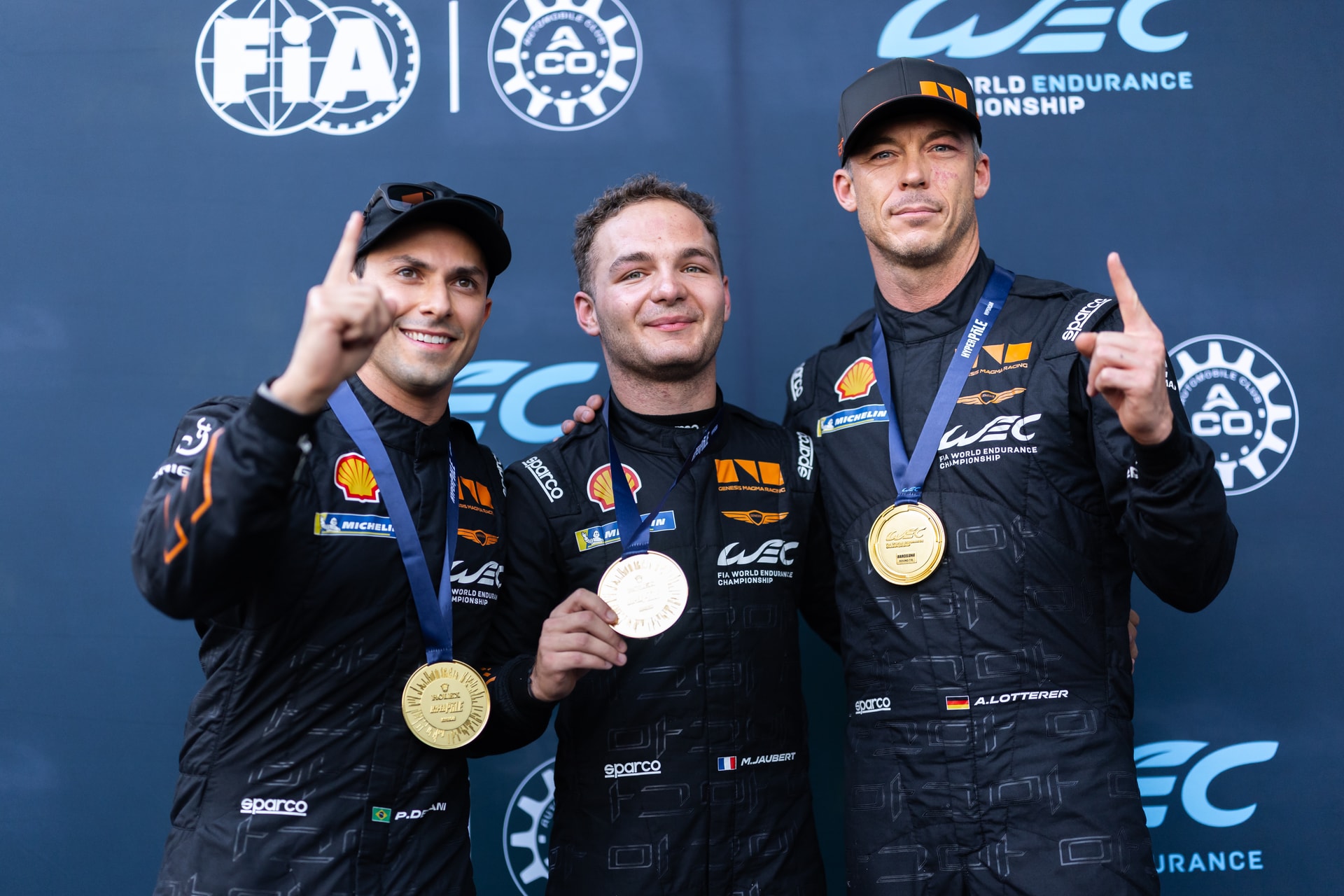
The result carried another distinction: Jaubert became the first ever Silver-rated driver in the WEC to claim an overall Hypercar pole. His route to the top class has been rapid, from racing in Caterhams to the Porsche Cup, LMP2 and now, Hypercar.
“I hope it shows that, with the right preparation, the right people around you and the opportunity to prove yourself, you can perform at a high level regardless of your age or driver categorization,” he says. “Every step has taught me something different, and I’m still learning every time I get in the car, especially alongside drivers with so much experience as André and Pipo.”
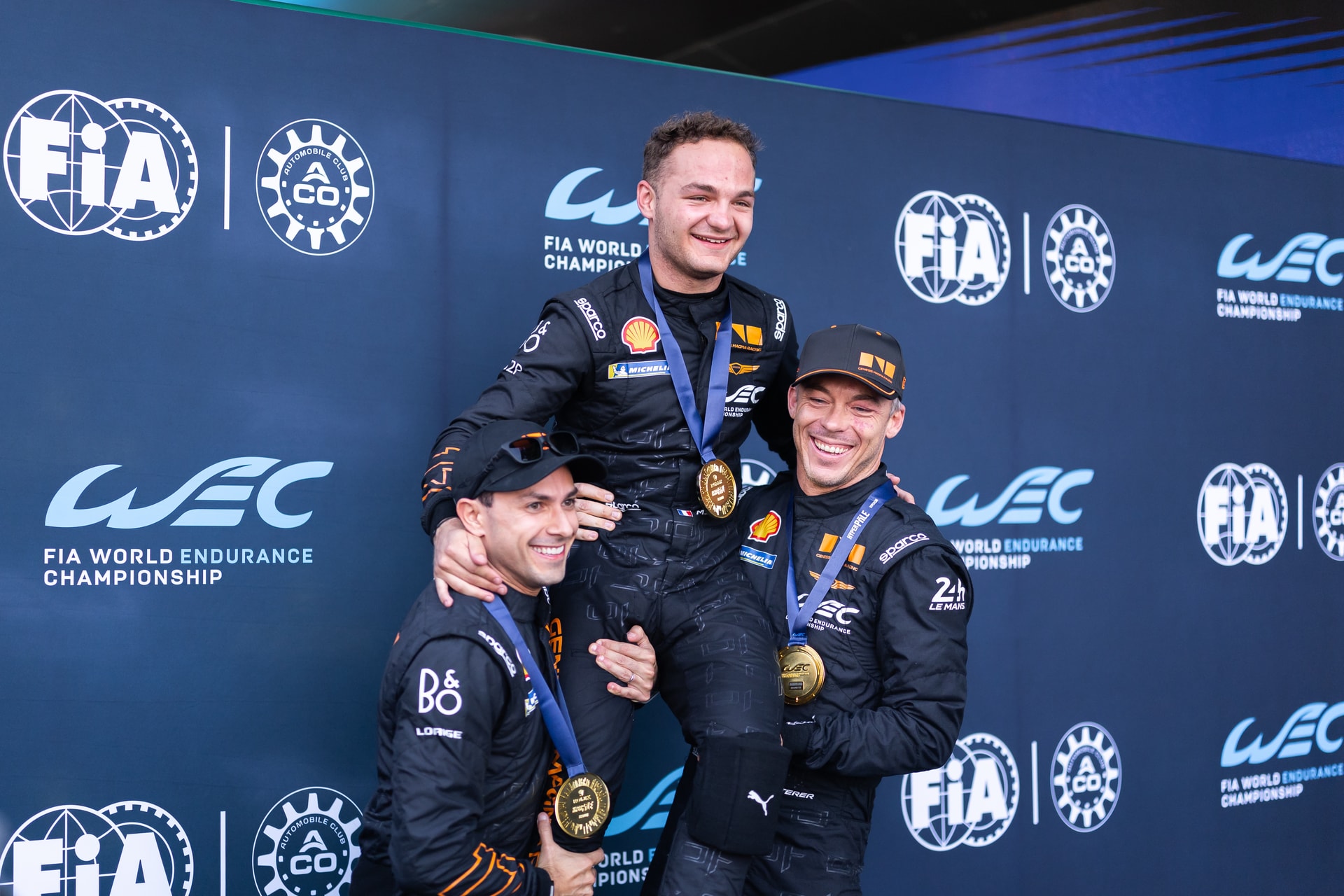
Jaubert is careful not to make one qualifying session mean more than it does. “I don’t think one qualifying session changes everything, and I still have a lot to prove,” he says. “But hopefully, this result shows that younger drivers can contribute to a top-level program and deliver when the opportunity comes.”
Preparation Pays Off
The pole was not an obvious outcome earlier in the day. The #17 car had been at the bottom of the timesheets in the final free practice session, but Jaubert says the position did not tell the whole story. Genesis Magma Racing had followed a different tire strategy, using more tires in the first two practice sessions, leaving the car on older rubber for FP3.
“The challenge was therefore to get back to the feeling and balance we had found in FP2, but with fresher tires, without being misled by the behavior of the car in FP3,” he says. “We had to trust our previous understanding of the car rather than draw too many conclusions from that final practice session.”
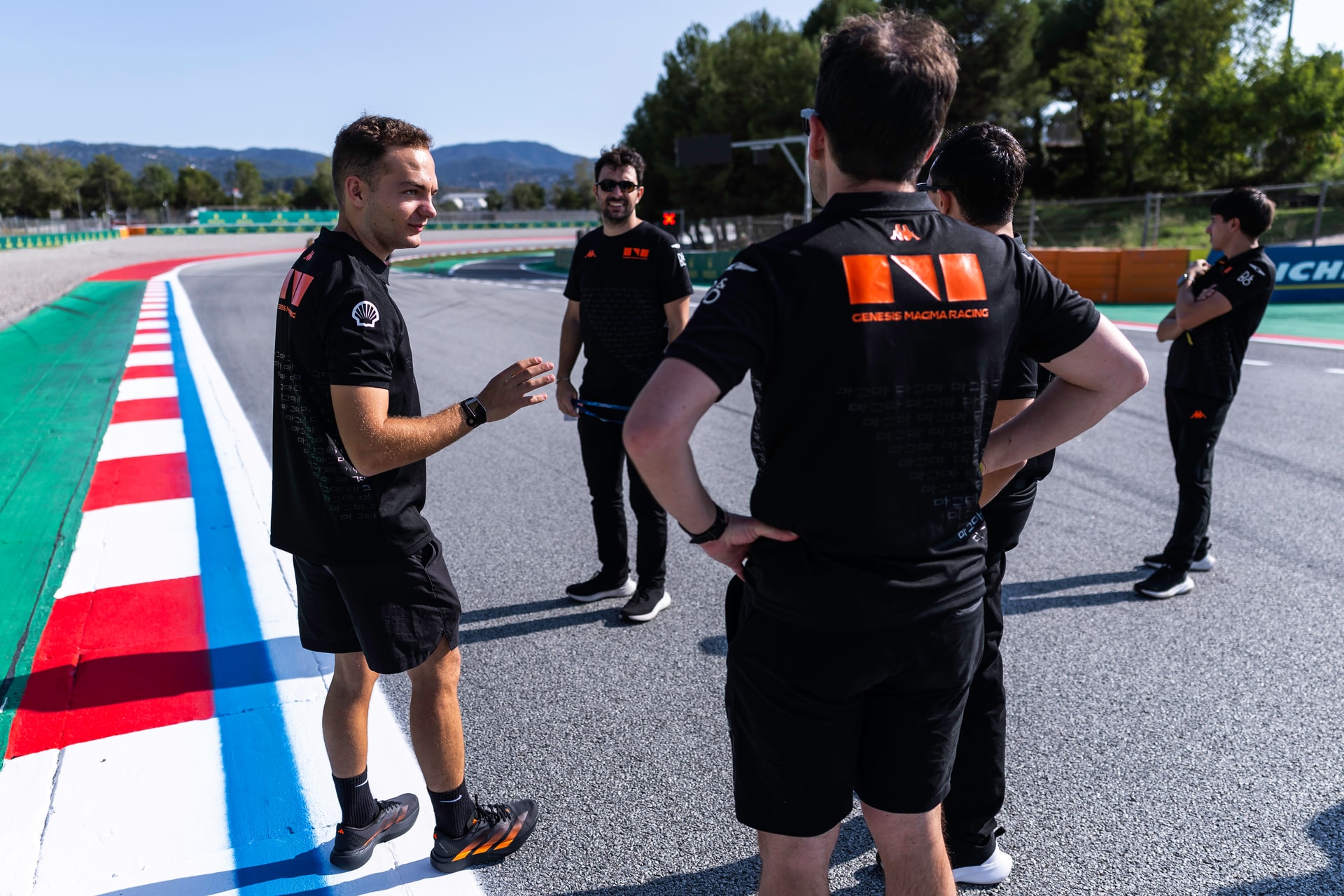
The team’s analysis and preparation paid off. For Hyperpole, the groundwork included a qualifying simulation in FP2, data from the sister car and the team’s previous knowledge of the circuit. One detail was the decision to fit a new front-right tire — the hardest to bring into its temperature window — and use heat from the brake disc to help prepare it.
“Once the lap started, it was about putting all that preparation together and adapting to the grip available,” Jaubert says. “Track limits are also part of the challenge: as a driver, you have to adapt to the conditions and find the limit without going beyond it. The key was to combine the right tire preparation with a clean, committed lap.”
His confidence behind the wheel is matched by an appreciation of what he can learn from experienced teammates André Lotterer and Pipo Derani. Their value, he says, extends well beyond outright speed.
“I believe that, in terms of pace on track, I can already bring as much to the table as they do, and that’s something I’m confident about,” he says. Their experience makes a difference in how to prepare for a race weekend, approach sessions, work with engineers and provide feedback. “Learning how to analyze the car, communicate the right information and help the engineers move in the right direction is a huge part of becoming a better Hypercar driver.”
From One-Lap Pace to Race Performance
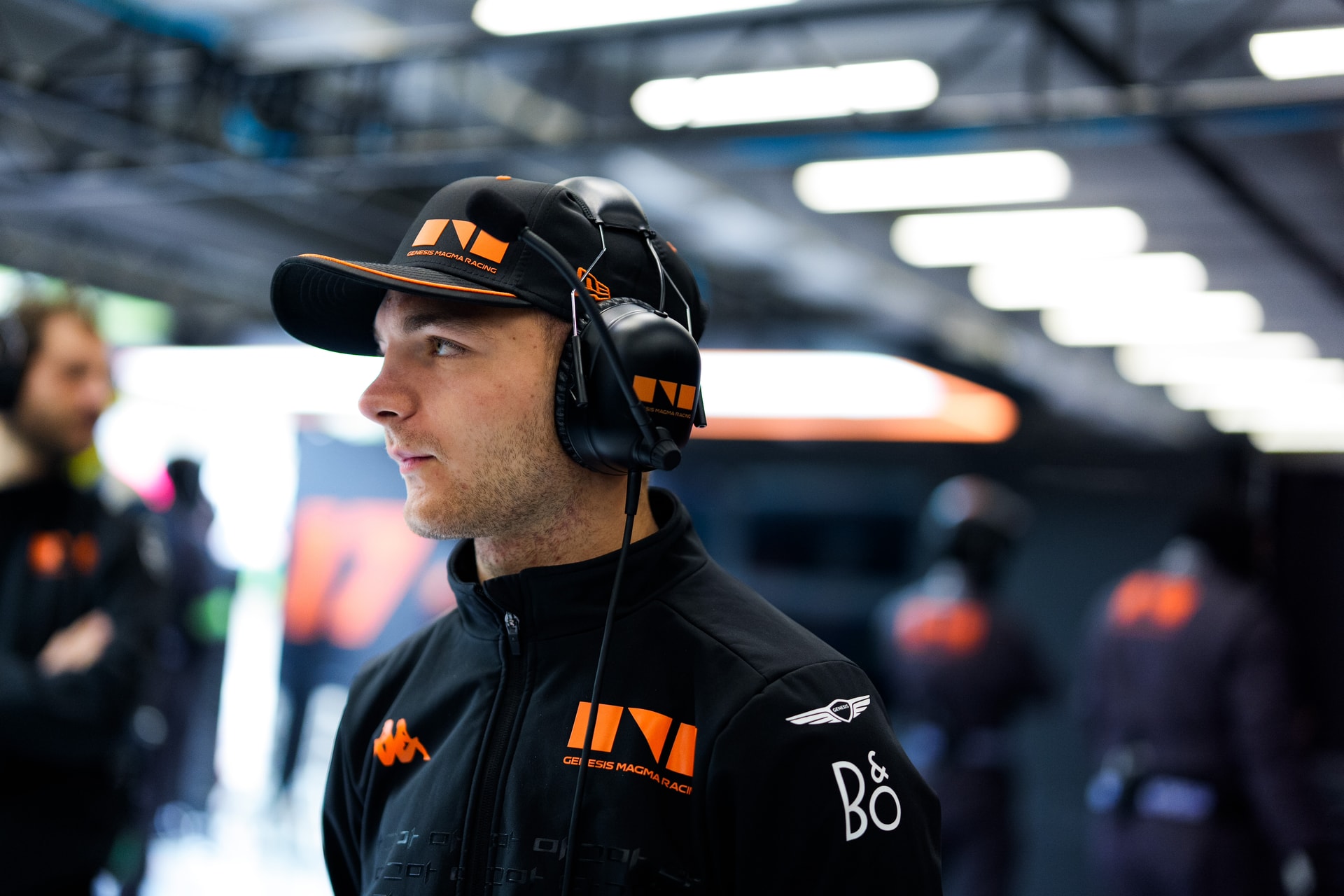
For Genesis Magma Racing, Barcelona was a milestone for the project as well as its young driver. Jaubert says the pole demonstrated the progress made in a short time and confirmed the GMR-001 Hypercar’s potential over a single lap — particularly with low fuel and more grip available.
But qualifying, he notes, can hide some weaknesses. The next challenge is to make the car consistent and predictable over a full stint, easier to drive in traffic and better at managing tire degradation.
“The race car is actually very close to the car we have in qualifying, so it’s not necessarily about finding a completely different setup,” he says. “It’s more about improving consistency and drivability over a longer period.”
Sunday’s race in Barcelona underlined that work still lies ahead. System-related issues affected other areas of the car, including traction control and, at times, power.
“It’s obviously frustrating not to convert a pole position into the result we were aiming for, but the important thing is how we respond,” Jaubert says. “We have the pace, and now we need to build on that by improving consistency so we can show our true potential over the full race distance.”
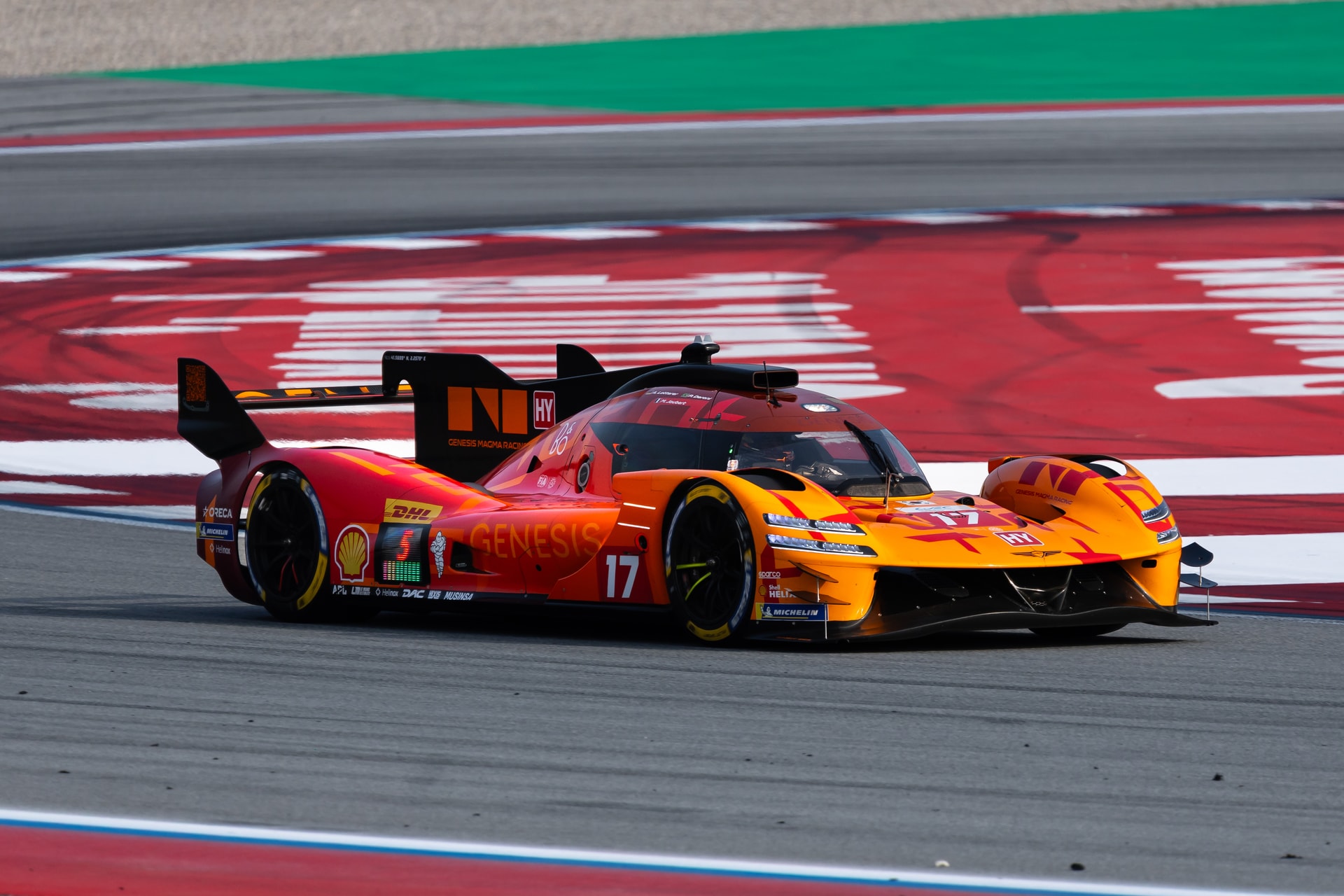
The team must also build experience. Jaubert says Genesis can extract performance in qualifying with low fuel and new tires, while the demands of a race — following other cars, managing tires and braking — require a car that is consistent and easy to drive. Rivals have years of knowledge of the circuits and of how their cars and tires behave over a full distance.
“We know we have the speed over one lap,” he says. “Now we need to build on that with better race execution and more experience to fight consistently at the front.”
The Next Challenge
The season finale at Monza presents a different test from Barcelona. Its long straights, colder temperatures and track surface will bring fresh challenges, while the low-downforce configuration will demand a balance of speed, stability and consistency. From his GT racing experience, Jaubert expects good grip and relatively low tire degradation in dry conditions but says the team will need to see how the car performs in the setup. The target is a strong finish for both Genesis cars.
“We will need a clean race, good strategy and no major mistakes,” he says. With November weather potentially playing a part, the team will need to be ready to adapt. “A top five finish would be a very strong result and having both cars in the top 8 is clearly one of our main objectives.”
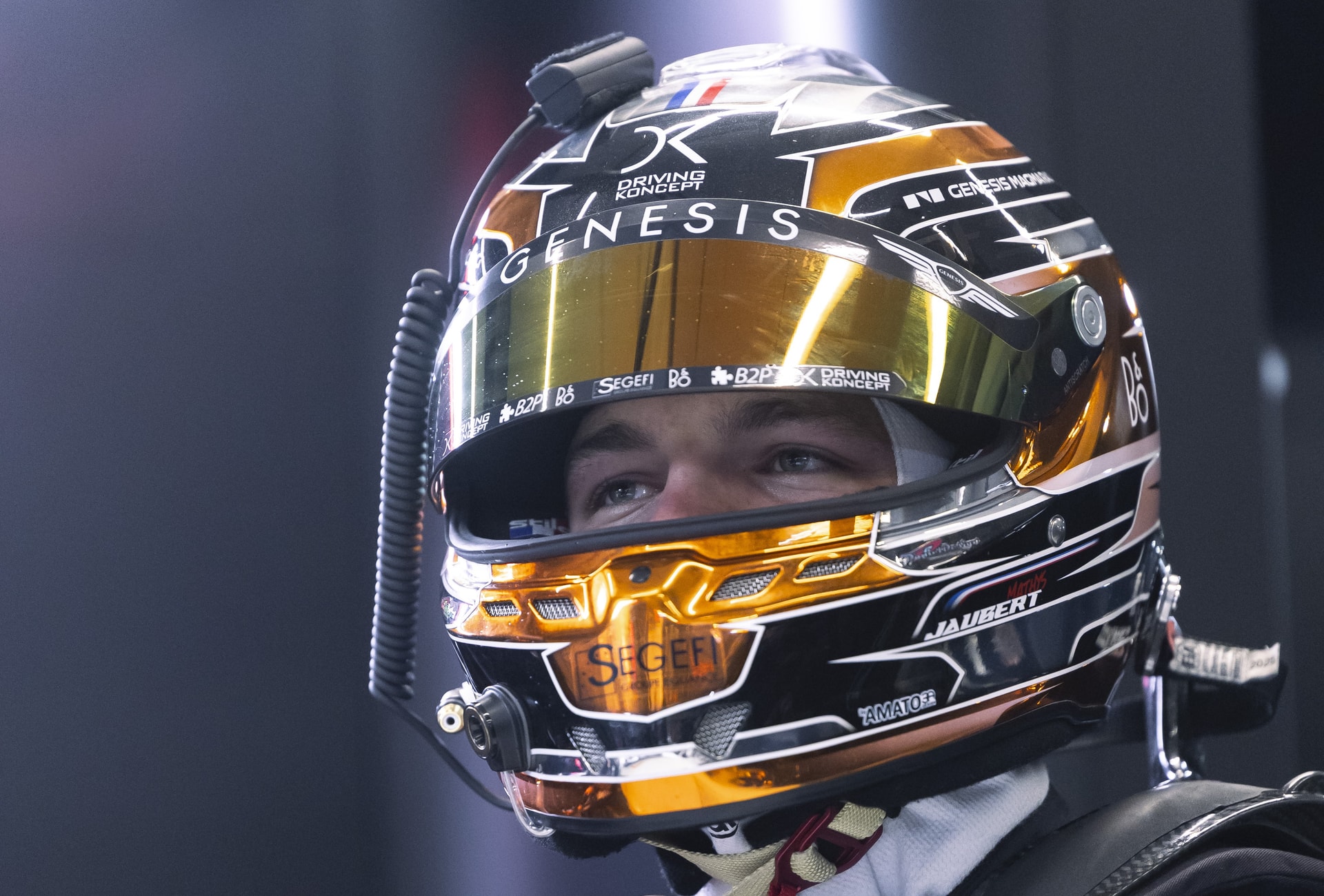
For Jaubert, the year has been a steep learning curve as well as a landmark season. Moving into Hypercar brought new systems, procedures and the chance to work alongside some of endurance racing’s most experienced drivers. Barcelona offered a glimpse of what the team can achieve; difficult races, he says, have been just as valuable in showing what needs to improve.
His priority is to finish strongly at Monza, keep developing his understanding of the car and carry that experience into 2027.
“I want to use everything I’ve learned this year to come back stronger in 2027, with more experience, a better understanding of the Hypercar and the ambition to fight consistently at the front,” he says.
“I’m proud to be part of this project, and I see this season as the beginning of something much bigger. We have a lot of potential, and I want to play an important role in helping Genesis Magma Racing achieve its ambitions in the years to come.”