

GENESIS CEO ON FUTURE OF MOBILITY: WE GIVE OUR CUSTOMERS WHAT THEY WANT
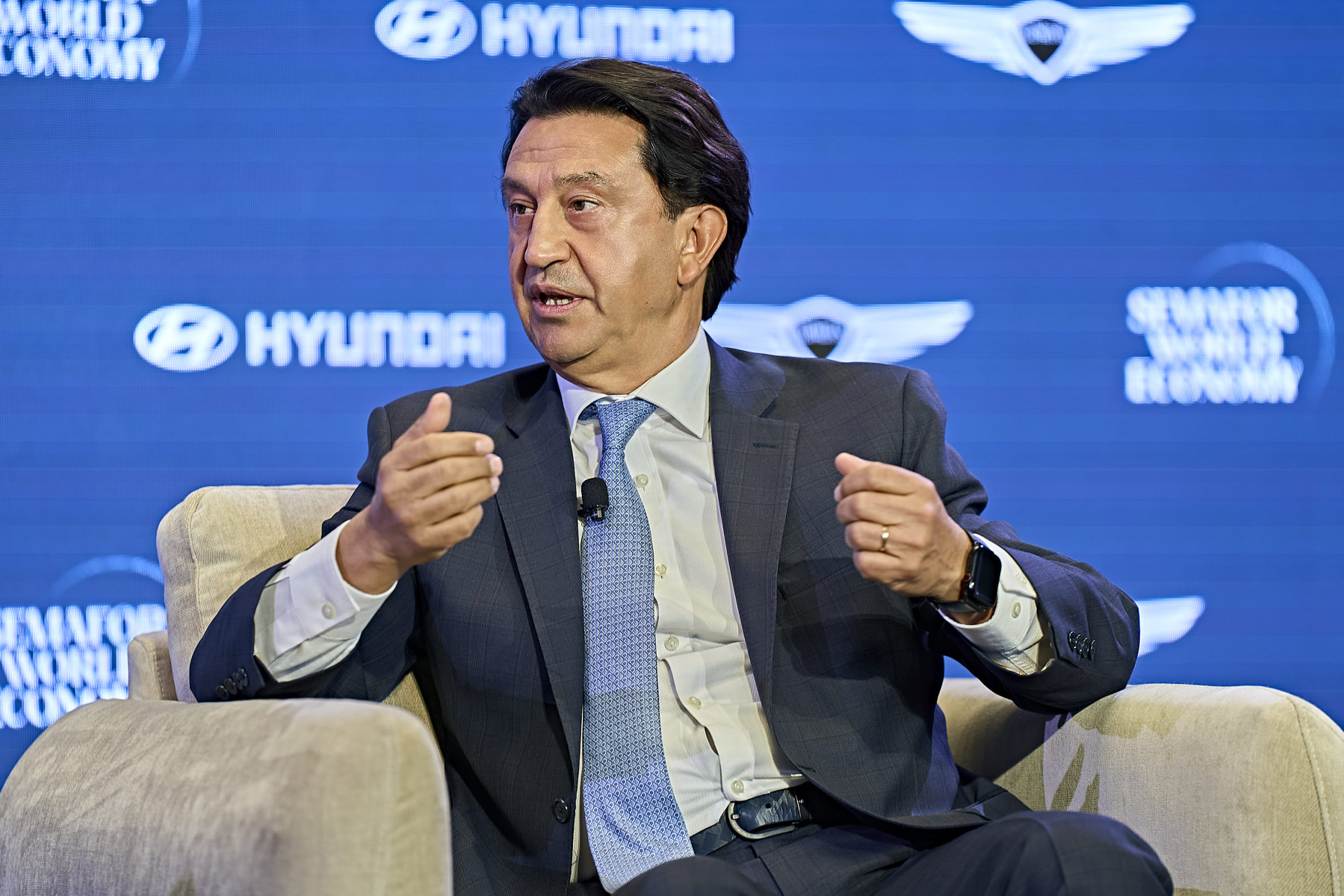
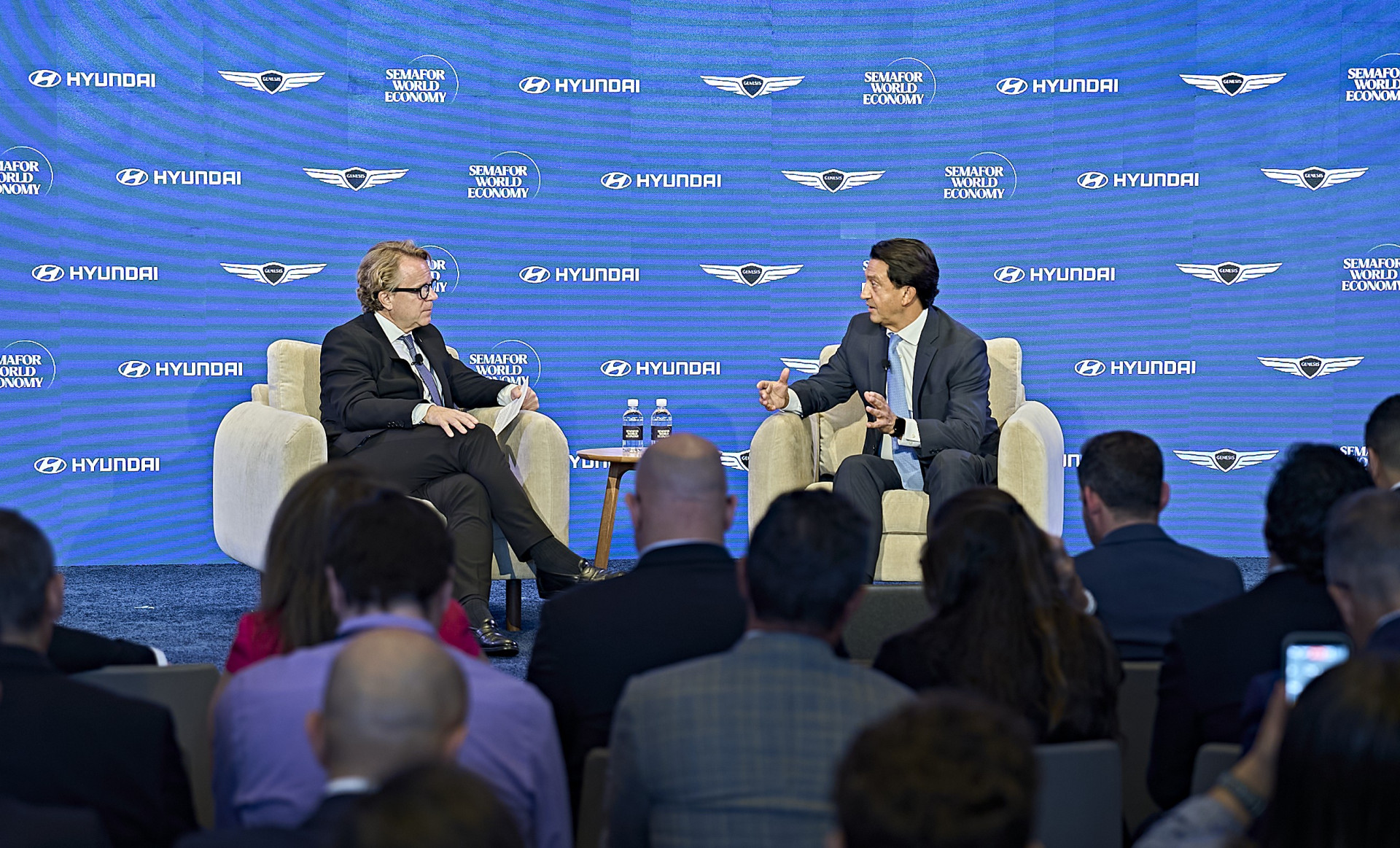
WASHINGTON, April 22, 2026 — “One of the key success factors of our company has been the fact that we have made available to our customers what they want,” said José Muñoz, President and CEO of Hyundai Motor Company and Genesis, at the recent 2026 Semafor World Economy convening.
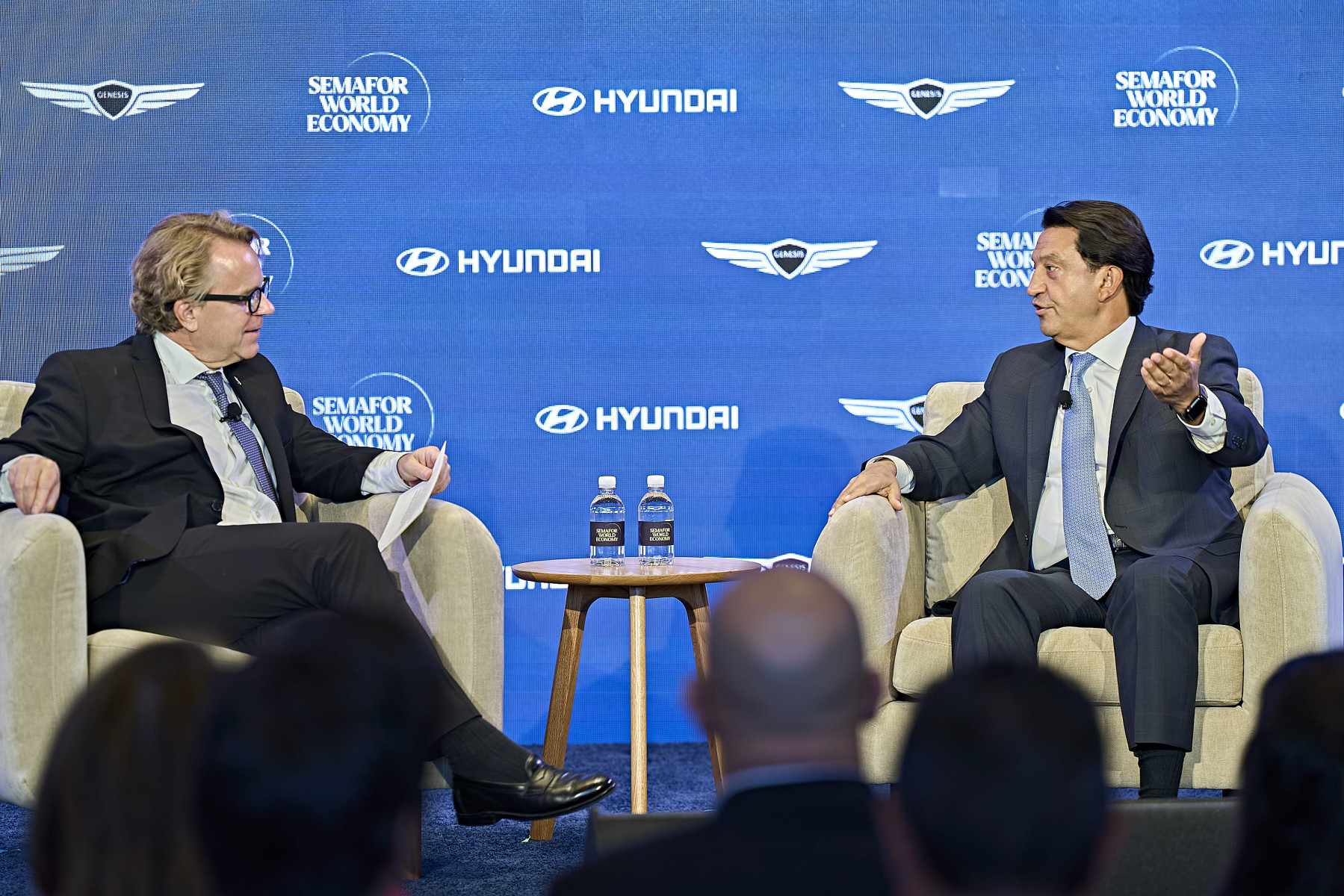
Speaking at the event’s Future of Mobility track session with Semafor CEO Justin B. Smith, Muñoz outlined the Group’s future strategy, which is centered on the customer and prioritizes diversification and flexibility to meet their needs.
Choice as a Core Product Strategy
Amid a once-in-a-generation transformation of the automotive industry, Genesis has positioned itself as a proactive leader shaping the future of mobility driven by rising consumer and societal demands for greater sustainability, efficiency and access.
At the event, Muñoz highlighted that the path forward is to provide customers a range of choices. Genesis is strategically helping customers navigate the transition to an all-electric future by addressing the EV chasm — the common concerns like range anxiety and charging infrastructure that can make the leap from internal combustion to fully electric vehicles daunting. By offering a thoughtful portfolio of bridging technologies such as hybrids and extended range EVs (EREVs), Genesis provides a flexible path toward electrification.
“We were one of the first movers when it comes to electrification,” Muñoz reminded the audience. “Not only do we develop EVs, but also hybrids, which are growing 61% last quarter…. And then very soon, EREV next year…. When you realize how dependent we are on crude oil, then you realize that betting on nuclear energy and some environmental energy, like solar, or windmills, etc., is the right way to go.”
Muñoz further emphasized the need for diversification, “As one of the few companies that remain fully committed to electrification, we have seen how the sales of EV cars have grown from February to March by 40%, simply because of the price of oil going up.”
Meeting Customers Where They Are
In August 2023, Genesis crossed its one million cumulative sales milestone less than eight years after its launch — faster than any other luxury brand in history. A key driver of this growth has been the strategic and compelling expansion of the Genesis lineup.
Genesis is architecting a product strategy that is as ambitious as it is attuned to the customer. Recognizing that the path to an all-electric future is not one size fits all, this commitment is underscored by a plan to introduce 22 all-new or significantly enhanced models to the North American market and achieve 350,000 annual sales by 2030, ensuring there is a Genesis to match every stage of a customer's journey into the future of mobility.
While the destination is a zero-emission future, Genesis understands that the journey is both individual and personal. The brand is reaffirming its commitment to a sophisticated, fully electric lineup of battery electric vehicles (BEVs), which will remain the pinnacle of its technological offering. However, to bridge the gap for a diverse customer base, Genesis is broadening its portfolio with two key additions.
Starting in 2026, the brand will introduce a line of advanced hybrids, offering an efficient and seamless entry point into electrification. For those seeking to eliminate reliance on gasoline for daily driving without any range anxiety on long journeys, Genesis will launch groundbreaking EREV models from 2027. These vehicles are engineered to deliver a pure, EV-like driving experience for everyday use, but with the capacity for over 600 miles of total range, removing traditional barriers to EV adoption.
Muñoz also highlighted how technologies once considered distant are now a present-day reality, particularly in the field of hydrogen. He stressed that hydrogen is no longer a concept that is perpetually decades away, noting its technology has evolved dramatically to offer lower running costs, greater efficiency and longer range at a more accessible price point.
To prove its immediate, practical application, he pointed directly to the Group's own operations that have been utilizing hydrogen-powered trucking since 2020. “We are actually running the logistics of our HMGMA plant in Savannah, Georgia, with [XCIENT] trucks… which are powered by hydrogen,” Muñoz stated, continuing, “We've run roughly 20 million kilometers so far with our XCIENT trucks.”
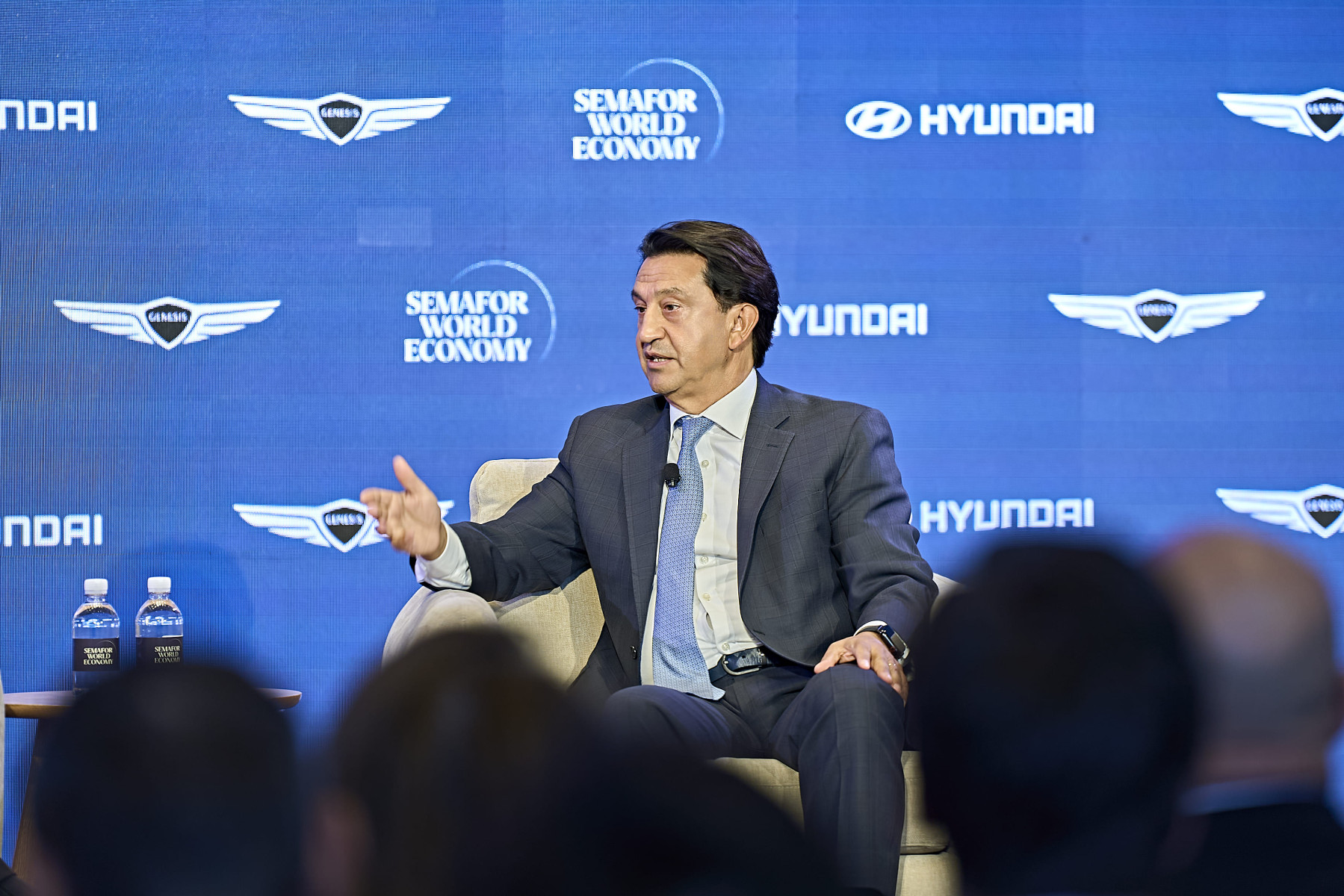
Muñoz suggests that education is essential for adoption in markets like the U.S. to remove the fear associated with hydrogen as it is a completely clean, safe and silent form of energy. “It’s totally environmental. [It] is the number one component available in the world, and then you can have a very long range, like 800 to 1000 miles, in a truck where you will never be able to achieve on an EV.”
Muñoz framed a clear strategic vision where different technologies serve different needs, seeing battery electric vehicles as ideal for the daily commute, while hydrogen is perfectly suited for long haul commercial trucking, where its extensive range is an advantage that battery-only solutions cannot currently match.
This flexibility is built directly into the company’s manufacturing footprint. Speaking of the Hyundai Motor Group Metaplant America (HMGMA) in Savannah, Georgia, he noted, “That plant was meant to produce up to 500,000 EV cars only. But soon after we made the commitment, we realized that some changes in the demand might happen, and then we took the decision to increase our investment to be able to produce hybrids. This year, we will produce our first hybrids from that plant.”
Beyond Sedans and SUVs
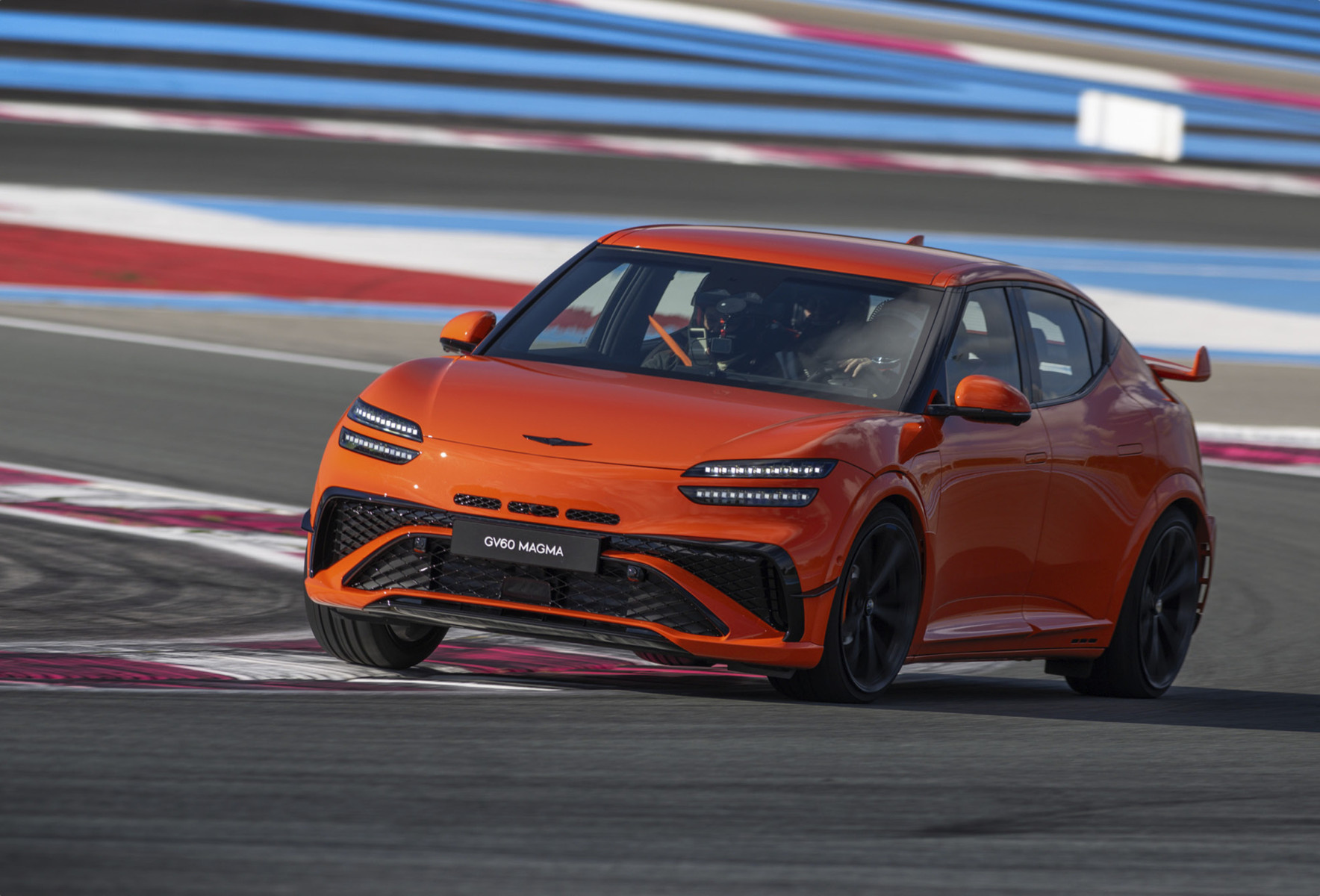
As Genesis enters its second decade, it is boldly expanding its design horizons. A key pillar of this new direction is the introduction of a luxury high-performance line through the marque’s Magma program, filling a crucial space in the Genesis portfolio. The program offers customers a new dimension of dynamic, sporty and emotional driving experiences — while retaining the hallmark luxury of the Genesis brand. The brand recently launched its first Magma production vehicle, the GV60 Magma, which began sales in Korea and is due to arrive on American and European shores soon.
This expansion is also fueled by a new, more personal concept car strategy. Future concepts will be inspired by the diverse facets of customers' lives, reflecting their passions, hobbies and lifestyles to create a more profound connection with the brand. This will manifest in a deliberate push into new vehicle segments beyond traditional SUVs and sedans. Consumers can look forward to seeing the brand's "Athletic Elegance" design philosophy applied to breathtaking new forms, including sophisticated grand tourers, elegant coupes and versatile wagons, further cementing Genesis’ position as a comprehensive luxury marque.
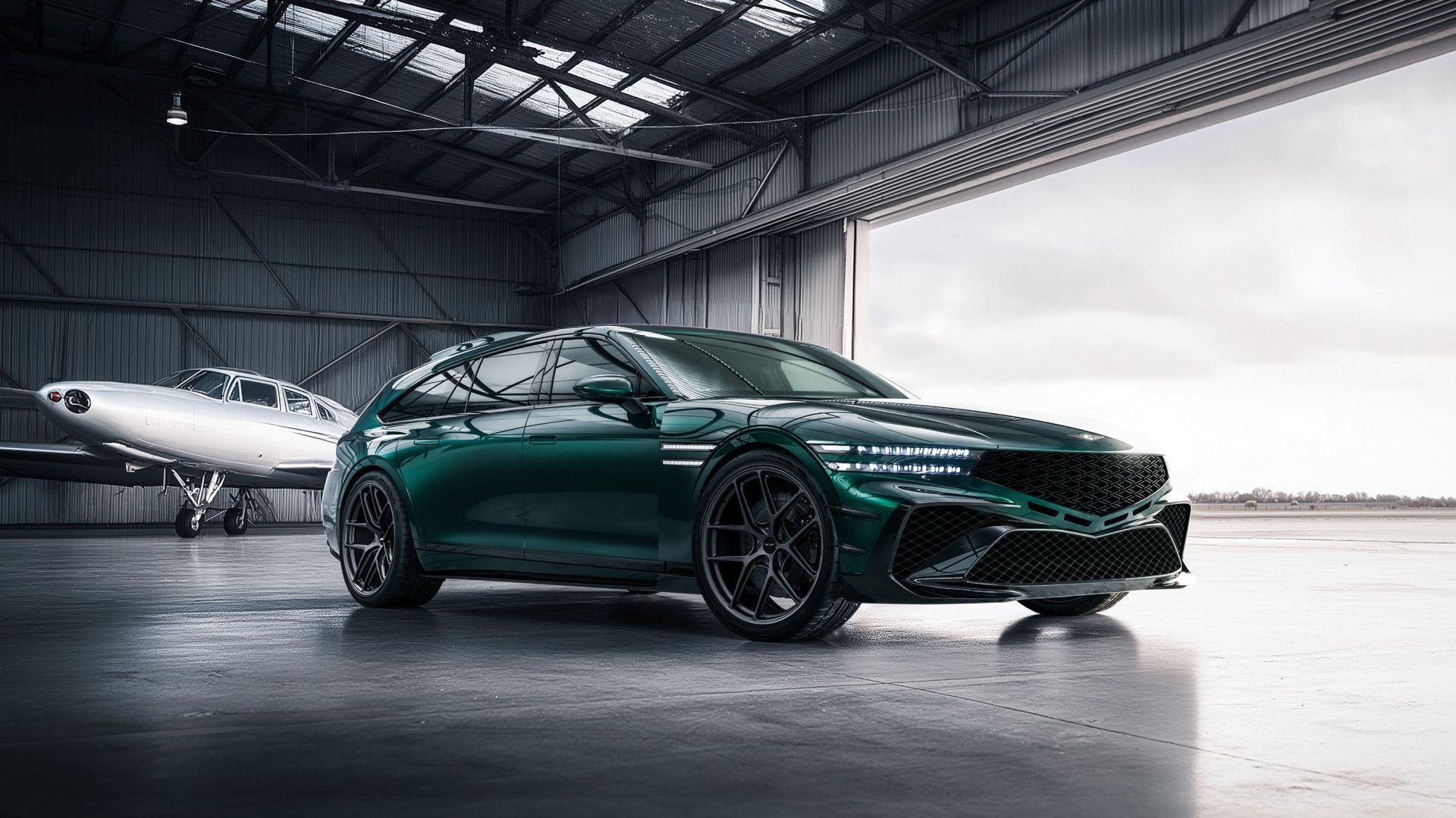
Genesis is not just designing new cars; it is engineering the future of mobility through significant investments in technology, research and development.
From Racing to Production
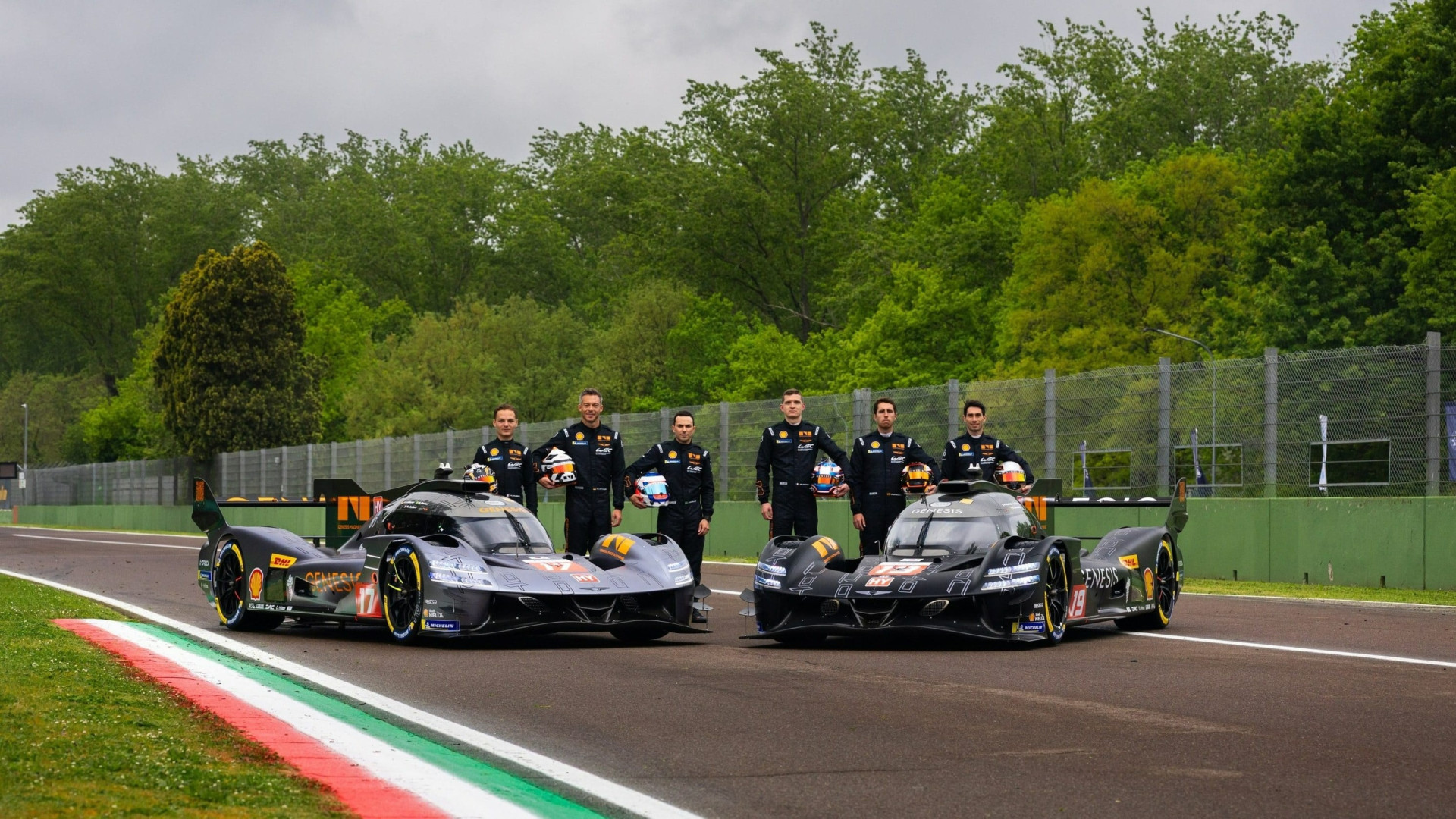
Genesis is taking to the track with purpose. The Genesis Magma Racing program marks the brand's official entry into the world's most demanding motorsport arenas, beginning with its recent debut at the 2026 FIA World Endurance Championship (WEC) opener in Imola, Italy. This is more than a branding exercise; it is a high-speed laboratory. The extreme pressures of endurance racing — pushing performance, efficiency and durability to their absolute limits for up to 24 hours at a time — serve as the ultimate proving ground for innovation. The technology, materials, and software forged and proven on iconic circuits like Le Mans will be directly channeled into the entire Genesis production portfolio, ensuring that every customer benefits from the lessons learned at the highest level of motorsport.
Future Mobility Defined by Software
Software-Defined Vehicle (SDV) architecture is a cornerstone of Genesis’ product strategy, providing transformative flexibility in both vehicle engineering and the customer experience. By decoupling software from hardware on next-generation platforms, Genesis gains the critical agility to house a diverse portfolio of advanced powertrains — from EVs and hybrids to EREVs — allowing the brand to adapt swiftly to market demands.
This separation also unlocks a superior in-cabin experience by creating more physical freedom for interior designers and enabling the vehicle to evolve with the owner through seamless over-the-air updates, which can continuously enhance everything from performance to infotainment and add new, personalized features long after the car has left the showroom.
Empowering, Not Replacing, Humans Through Technology
To bring this ambitious vision to life, Genesis, as part of the Hyundai Motor Group, is making a monumental commitment to innovation. This includes a landmark $26 billion investment in the United States, dedicated to advancing manufacturing capabilities, electrification and future technologies. This group-level investment extends beyond automotive, encompassing significant developments in AI, robotics and autonomous driving.
“We’re going to have more autonomous technology for everyone’s use in individual vehicles for personal use, and global taxiing,” Muñoz declared, referring to the Group’s partnership with Waymo to deploy tens of thousands of robotaxis. The Group has also developed its own autonomous technology through Motional, a joint venture between Hyundai Motor Group and Aptiv to create fully driverless vehicles.
Muñoz consistently framed technology as an enabler of human opportunity, not a limitation. He pushed back on the idea that the solution to congestion is fewer cars, arguing that innovation creates more desire for mobility. “The moment that you have more technology available, humans — we want to use it,” he insisted, drawing an analogy: “200 years ago, it will take you three months to go to Europe. Today, because you can go in a few hours, then I may go to Europe twice in a week.”
He also reassured the audience that the Group does not see robotics as a threat to human jobs, but rather as a powerful tool for augmentation and support. This is clearly demonstrated at its state-of-the-art manufacturing plant in Savannah where advanced robots are deployed to assist their human colleagues by taking on jobs that are difficult, strenuous or repetitive.
“If you go today to our plant in Savannah, not only you will be amazed to see AMRs (autonomous mobile robots) that are autonomous, that they charge themselves, instead of having the cars running on conveyors, etc., but also that you have humanoids that are helping the humans to do the jobs that are difficult for them.
“So, we don't see the robots as a means to reduce the number of workers. We have a commitment with the state of the number of workers that we hire on that site — which is 8,700 — but we want to make their lives easier. We want to increase productivity, we want to lower the cost, and we want to improve the quality.
Authoring the Next Chapter of Mobility
Ultimately, Genesis' strategy for authoring the next chapter of mobility is grounded in a pragmatic yet ambitious approach. The brand is committed to fulfilling a wide variety of customer needs by offering a diverse portfolio of powertrains and vehicle styles, backed by significant strategic investment in technology and manufacturing. This forward-looking commitment to R&D — from the crucible of motorsport to SDV platforms — ensures that innovation remains at the core of its mission. The marque continues to apply these advancements through its deep understanding of luxury, creating vehicles that are not only technologically advanced but also deeply human-centered and beautifully designed.
Genesis is a Founding Partner of the Semafor World Economy platform and the official sponsor of this year’s "Future of Mobility" track, raising its profile as leading voice in shaping these critical global conversations. The brand also served as the event’s official Experiential Partner, hosting the Genesis Lounge—a hospitality space inspired by the Korean concept of welcoming each guest as an honored individual, known as ‘Son-nim.’ Designed to encourage meaningful exchange, the lounge provided a setting for dialogue among global leaders and key decision-makers.