

GENESIS MAGMA RACING’S 2026 WEC SEASON GUIDE: PART 2
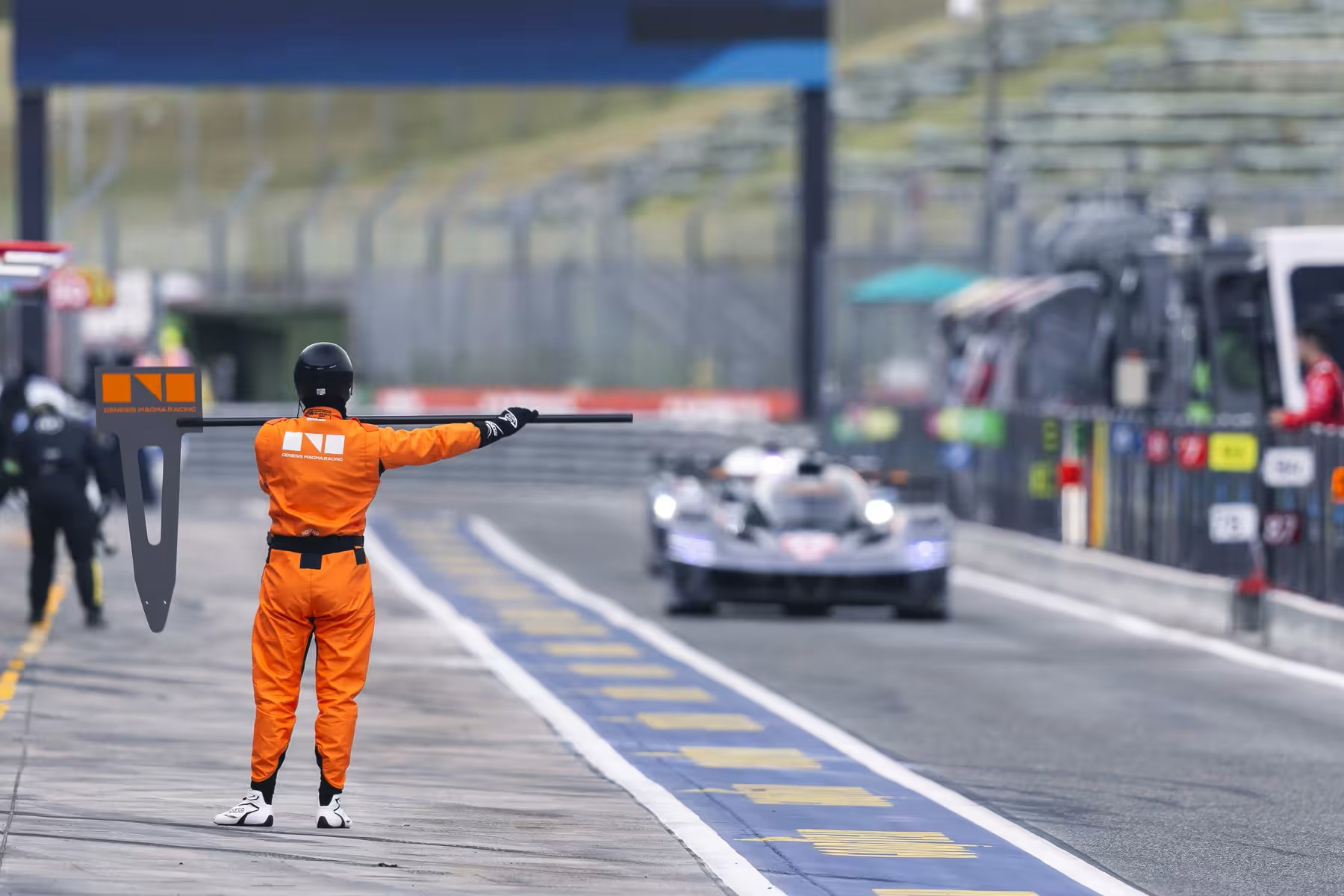
SEOUL, May 27, 2026 — Genesis’ debut this year in the prestigious 2026 Fédération Internationale de l'Automobile (FIA) World Endurance Championship (WEC) has started a new chapter in the marque’s performance story. Most recently, Genesis Magma Racing (GMR)’s #17 GMR-001 Hypercar team finished eighth in the 6 Hours of Spa-Francorchamps in Belgium. In the last stint of the race, Pipo Derani was able to take advantage of an aggressive strategy decision to advance and then defend his position, scoring the team’s first points of the season.
This second installment of the 2026 WEC Season Guide explores the strategy and tactics used in endurance racing.
What Happens During a Race?
Racing teams typically consist of two cars and three drivers per car who take turns driving over the race’s duration. Each turn is called a stint. Physical and mental stamina are crucial; races are a real test of endurance for both humans and machines.
A lot of planning goes into each race. Race strategy goes far beyond mere speed on the track in WEC. Teams must carefully consider everything including tire regulations, fuel management and pit stop timing to optimize performance. This strategic decision-making can significantly impact lap times and overall race outcomes, as teams aim to balance speed with durability.
Tire Trade-Offs
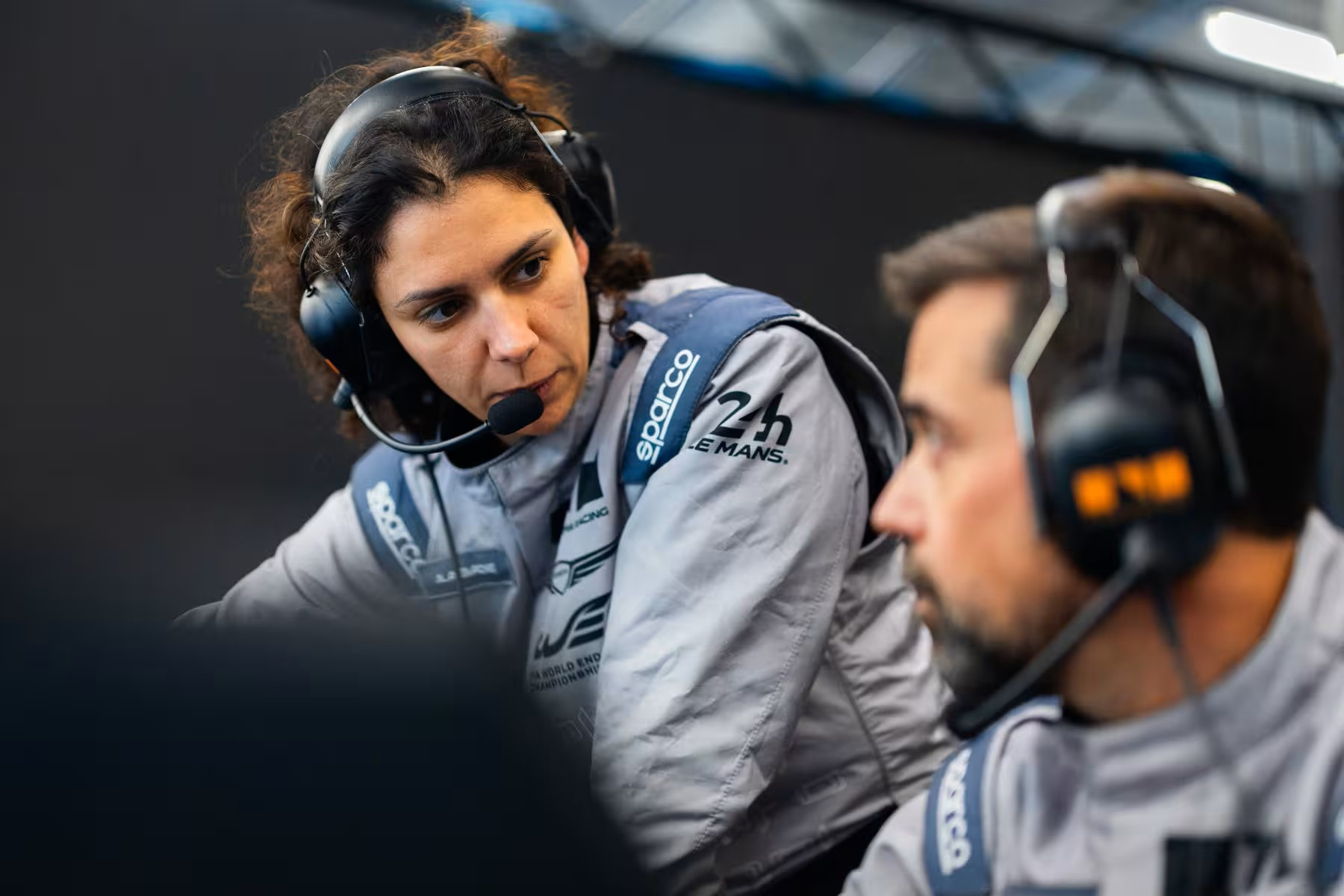
In endurance racing, tires are a critical strategic resource. The WEC strictly regulates every aspect of their use, from the number of sets available for a race weekend (depending on race duration) to the types of tire compounds allowed. Teams are permitted only two specifications of dry-weather tires, soft and hard, and one specification for wet weather. Soft tires provide maximum grip for faster laps but also degrade quickly, while hard tires are slower but last longer.
This creates some crucial strategic trade-offs. Pushing the car too hard will wear out soft tires quickly, forcing an extra, time-consuming pit stop. Conversely, being too conservative by running harder tires might save the need for a pit stop but cost valuable seconds on every lap. Teams must constantly analyze track temperature, weather conditions and driver feedback to decide the perfect moment to change tires, a call that can ultimately determine the difference between victory and defeat.
Pit Stop Precision
Pit stops in WEC races are intense moments that require precision and coordination. With strict rules governing how these stops are executed, every second counts. Each team is limited to 11 crew members, with each person assigned a specific role: one car controller, one refueller, one fire extinguisher holder, one cut-off valve attendant, one cockpit helper, four mechanics and two tire and brake technicians. This structured approach ensures that each aspect of the pit stop is handled efficiently, but it also adds pressure, as any mistake can lead to costly delays.
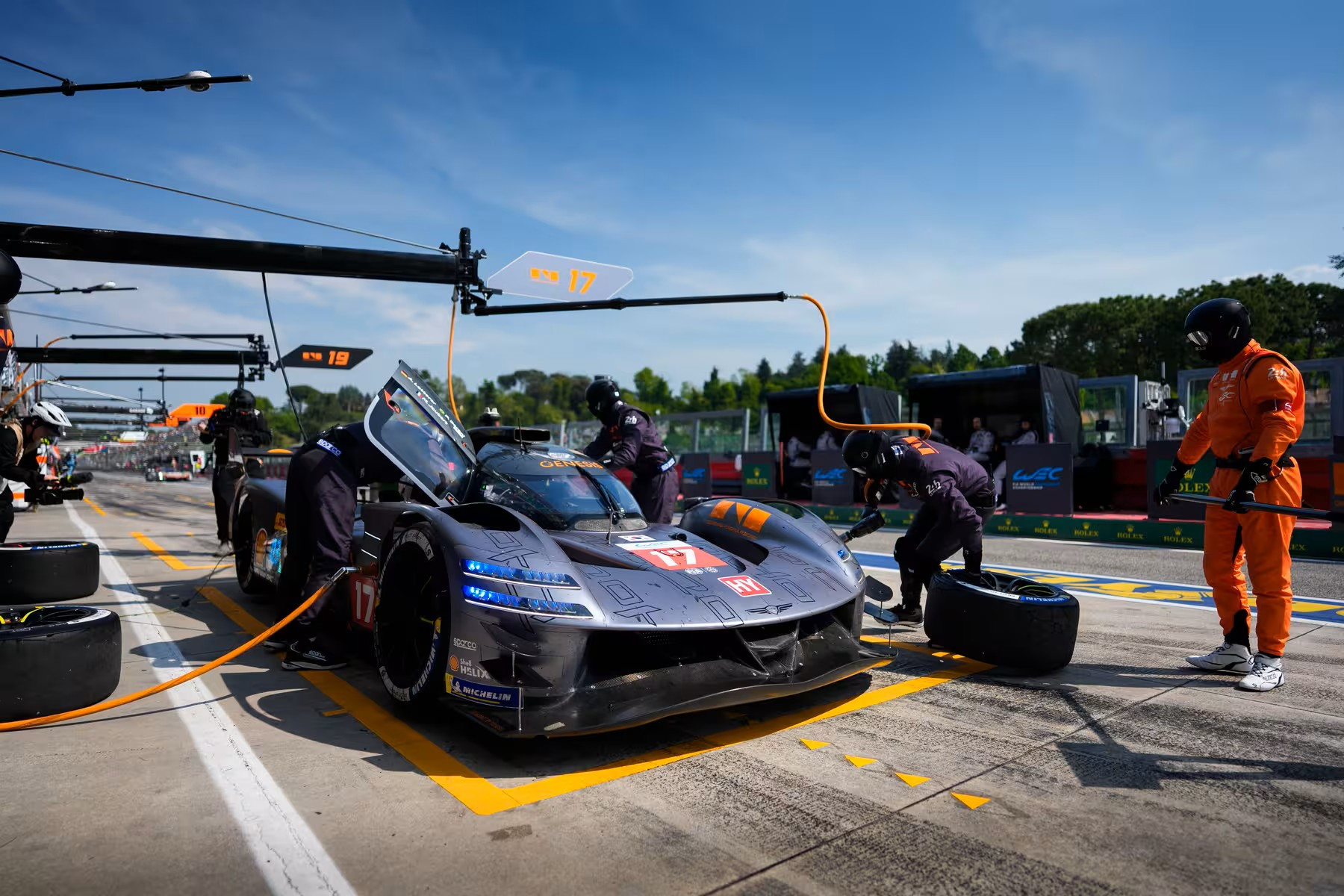
Safety is paramount during pit stops. All personnel must remain behind a designated safety line when the car enters or leaves the pit area, and the engine must be turned off before any team member can approach the vehicle. Additionally, teams are allowed only two tire guns — one for each tire-and-brake technician. In a significant change to previous regulations, tire changes and refueling can now occur simultaneously, allowing teams to minimize pit stop duration and maintain competitive momentum.
Driver Swapping
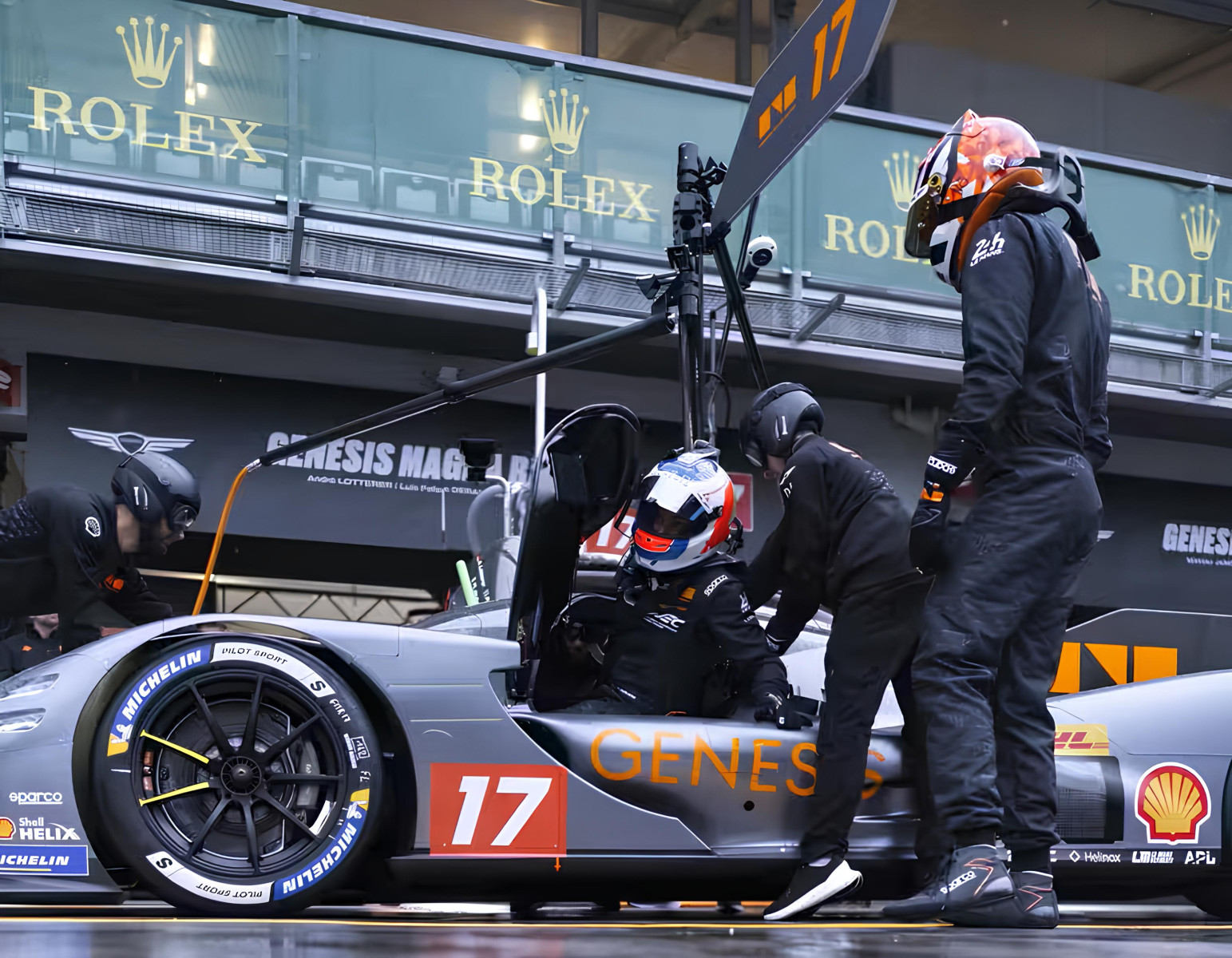
In the WEC, driver-change strategies focus on rotating up to three drivers per car to manage fatigue and optimize performance across race durations from six to 24 hours, with each stint typically lasting 45 minutes to one hour or until a fuel tank is depleted. While there is no specific limitation on how long a single driver can be in a Hypercar, each driver of a team must complete at least one lap to qualify as a member of a racing team during a race.
Strategic timing of swaps is critical, as teams balance driver freshness, especially during night stints or fatigue-heavy periods, with pit stop efficiency to gain or maintain track position. For instance, double or triple stints allow one driver to push longer before handing off. Synchronizing changes with refueling and tire swaps minimize time loss. Poor timing can drop a car a lap behind, making recovery difficult without safety car periods. Swaps occur in the pit lane with the engine off, executed rapidly by limited crews.
Safety Procedures
Full Course Yellow: When there is an incident on track and all cars must slow to 80 kilometers per hour. Intended for allowing interventions that will take less than one lap.
Safety Car: All cars bunch into a single line at a maximum of 80 kilometers per hour due to an incident on track.
Virtual Safety Car: Similar to a Full Course Yellow, but in WEC races a Virtual Safety Car period is always followed by a Safety Car period.
Reading the Race: Flag Signals
Flags enable Race Control to communicate with drivers on the track.

Green Flag
Signals the start of the race or the end of a caution period, indicating that drivers can race as normal.

Checkered Flag
Marks the end of the race.

Yellow Flag
Indicates that there is a hazard on the track, requiring drivers to slow down.

Blue Flag
Indicates that faster cars are approaching, and the driver should let them pass.

Red Flag
Means the race is stopped due to an accident or bad weather resulting in dangerous racing conditions. Cars must either return to the pit road or stop on the track immediately.

Yellow/Red Flag
Signifies that something on the track could cause cars to lose control, such as oil or debris.

Black Flag
Displayed with a car number, indicates that a driver has violated a rule and must return to the pit stop.

Black and White Flag
Displayed with a car number, it signals unsportsmanlike conduct.

Black Flag with Orange Circle
Displayed with a car number, indicates that a vehicle has serious mechanical issues or loose bodywork that poses a risk to others. The car must make a pit stop for inspection.
Penalties
Failure to comply with sporting rules or safety regulations will result in penalties for teams.
Drive-Through: The driver must enter the pit lane and exit back onto the track without stopping.
Stop-and-Go: The driver must enter the pit lane, come to a complete stop in their pit box, and then exit to rejoin the race.
Pit Stop Time Penalty: The driver must enter the pit lane, stop in their pit box for a specified amount of time, and only then exit and rejoin the race.
Other Useful Terms
Chicane: A sequence of corners where drivers must go left, then immediately right – or vice-versa. (e.g., Ford Chicanes at Le Mans, Variante Alta at Imola).
Cockpit: The space in the car where the driver sits.
Energy: A combination of fuel and hybrid power. The maximum amount of energy used defines a stint’s maximum length.
Free Practice: The first session of any race weekend, where teams set up their cars for the specific needs of each individual circuit.
Garage: Where each car is worked on between sessions and where teams will complete any major repairs during the race. Also often referred to as the “box.”
Hairpin: A sharp 180-degree – or near 180-degree – corner, often the slowest point on a circuit (e.g., La Source at Spa).
Hypercar: The premier class of the FIA World Endurance Championship, where Genesis Magma Racing is competing in 2026. Also, the name of one of the technical regulations to which cars can be built.
Hyperpole: The final part of Qualifying where the fastest 10 (eight at Le Mans) from each class compete for Pole Position.
LMDh: Another set of technical regulations that cars in the Hypercar class can be built to. The GMR-001 is built to LMDh regulations.
LMGT3: Alongside Hypercar, the other full-time class in the FIA World Endurance Championship for cars more closely based on road-going sports cars.
LMP2: A secondary class of Prototype racing that only joins the FIA World Endurance Championship at the 24 Hours of Le Mans but is the top class in the European Le Mans Series where Genesis Magma Racing Trajectory Program drivers have been competing in since 2025.
Pass Around: When cars on track between the Safety Car and their class leader may overtake the Safety Car and join the back of the line.
Out-braking: When one driver overtakes another by braking later than a rival before a corner.
Paddock: The area of any racetrack where the teams are based, including where hospitality areas are often based.
Pit Lane: The area away from the main racetrack where teams complete their pit stops or wait before the start of a Free Practice or Qualifying session.
Pit Wall: The wall between the pitlane and racetrack, where the Race Engineer, Team Strategists and other key figures often work.
Pole Position: The first position on the grid, awarded to the fastest car in the Qualifying sessions.
Qualifying: The session where speed really counts and the grid is decided by each car’s fastest lap during the session.
Race Engineer: The team member who leads the team on track, deciding the strategy for each car – when to pit for fuel, new tires or a driver change.
Slipstream: When one car follows closely behind another, often to gain time and complete an overtake.
Stint, Double Stint, Triple Stint: A driver’s turn in the car between pit stops. The minimum and maximum length of a stint are set by the regulations. When a driver drives two or more of these durations it is called a double or triple stint. It can also apply to tires.
Endurance racing is a multifaceted sport where strategy, precision and teamwork are just as important as pure speed. With these fundamental ideas in mind, new fans of the sport can better understand and appreciate the drama and excitement of GMR’s WEC journey.
Stay tuned for part 3.