

GENESIS MAGMA RACING'S 2026 WEC SEASON GUIDE: PART 1
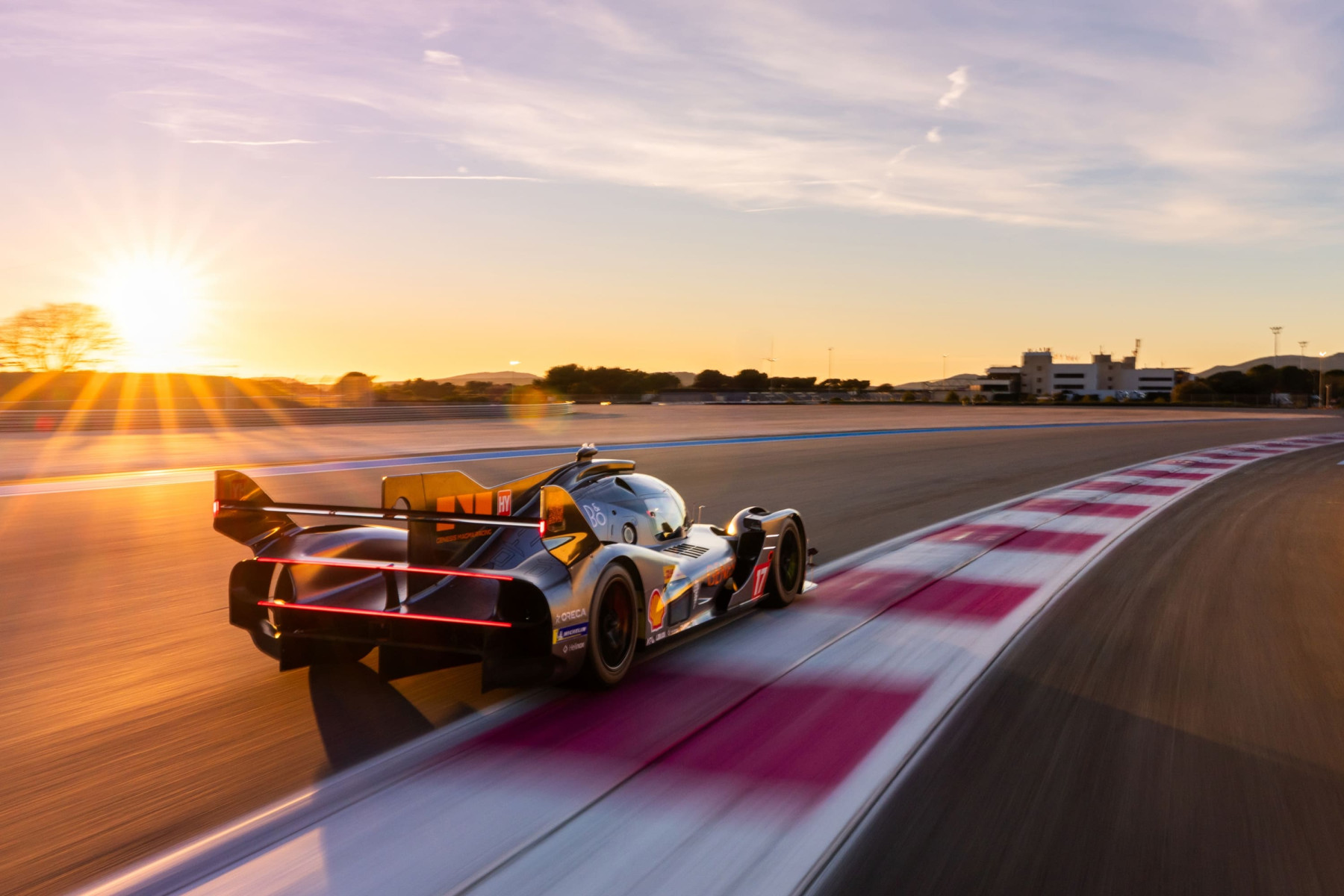
SEOUL, April 30, 2026 — Genesis Magma Racing has debuted in the prestigious 2026 Fédération Internationale de l'Automobile (FIA) World Endurance Championship (WEC) at the season opener in Imola, Italy on April 17-19. The team is proud of its achievements so far and is looking forward to the next race, the 6 Hours of Spa-Francorchamps in Belgium, which is quickly coming on May 7. If you’re following the WEC season for the first time and have some questions after Imola, this installment and the next of this two-part series is here to answer all your questions about endurance racing.
What is Endurance Racing?
Endurance racing is a marathon rather than a sprint. It is a thrilling motorsport discipline that tests not only the speed and skills of drivers but also the durability of vehicles and teamwork over extended periods.
It involves teams of drivers who share a car, rotating in stints over race durations that commonly range from 6 to 24 hours. The core challenge is not just to finish first but also to cover the most distance in the allotted time while managing fatigue, pit stops, car reliability and changing track and weather conditions.
Why is Genesis Getting into Endurance Racing?
Endurance racing provides an unparalleled platform to push automotive engineering to its limits, serving as the ultimate testing ground for innovation. Genesis Magma Racing (GMR) serves to validate Genesis’ capabilities and credibility under the most extreme competitive conditions. Endurance racing demands high-speed aerodynamics, advanced cooling systems and durability over grueling hours-long competitions — conditions that cannot be replicated through conventional development.
For Genesis, this is a pathway to refine technologies and transfer those learnings into the design and performance of its mass-production vehicles. Motorsport is not just about making the podium. It is about putting design principles and institutional knowledge to the ultimate test and, through that test, refining them to enhance quality and engineering excellence across the entire Genesis lineup.
Forging a New Legacy
Genesis will become the first South Korean automobile manufacturer to compete in the legendary 24 Hours of Le Mans this year. Genesis Magma Racing carries a dual mission: to compete at the highest level of endurance racing and to serve as a cultural ambassador, bringing the excitement of this global sport to Korea.
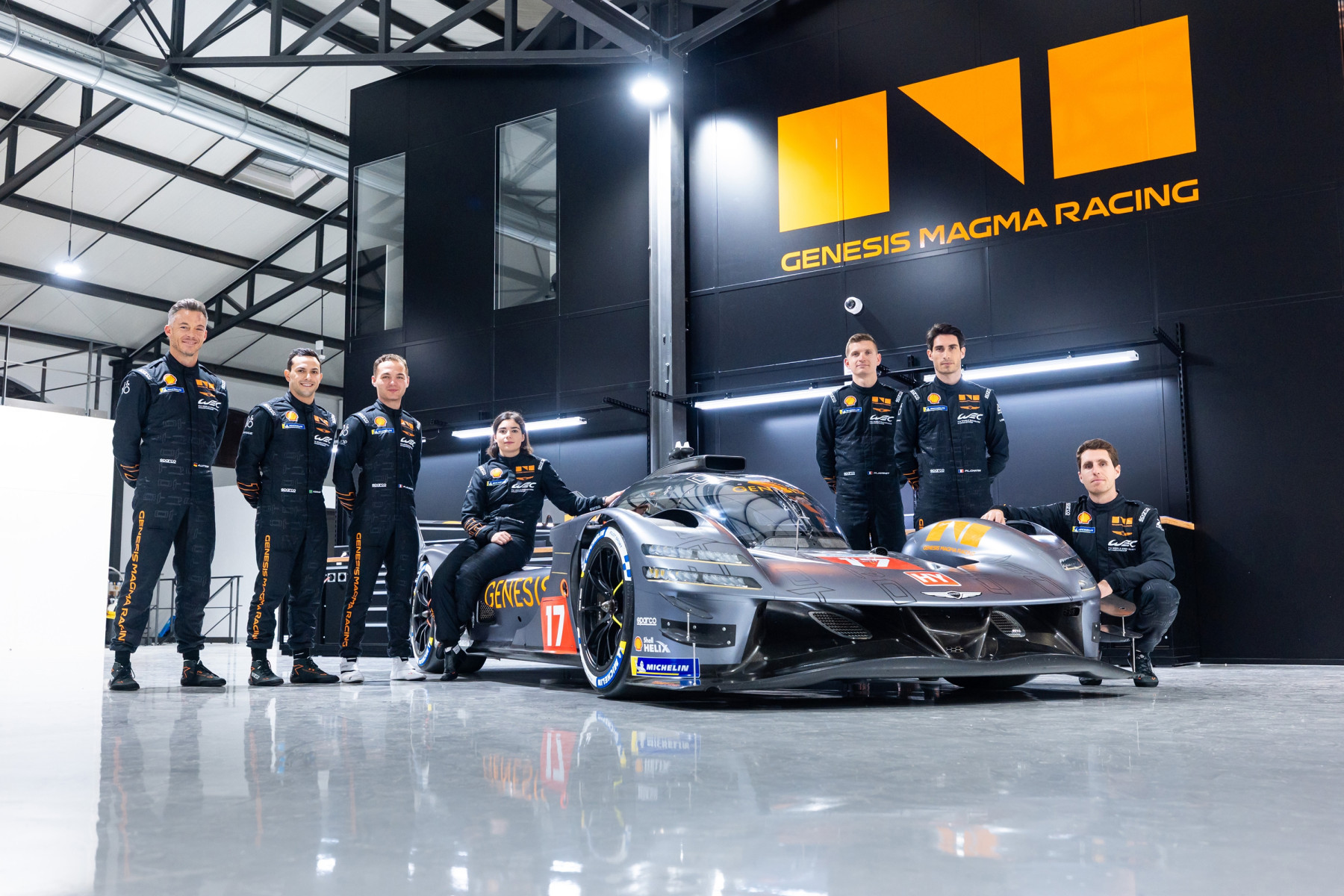
The team is fielding two GMR-001 Hypercars in each race, numbered 17 and 19. Each car is piloted by a team of three drivers, a blend of decorated veterans and exceptional young talent.
The #17 Hypercar is piloted by André Lotterer, Luis “Pipo” Derani and Mathys Jaubert. Lotterer brings a wealth of prototype experience as a three-time 24 Hours of Le Mans winner and former WEC champion. Derani has previously conquered the top class of the North American International Motor Sports Association (IMSA). And Jaubert was just promoted from the GMR Trajectory Program, proving his readiness with three ELMS victories in 2025.
The #19 Hypercar is shared by Paul-Loup Chatin, Dani Juncadella and Mathieu Jaminet. Chatin is a two-time European Le Mans Series champion with recent race-winning experience in the Hypercar class. Juncadella is a versatile winner in both GT and prototype machinery, while Jaminet has several IMSA wins on his record.
GMR Trajectory Program driver Jamie Chadwick will serve as reserve driver this season.
About FIA WEC
WEC is a racing series governed by FIA. It is made up of a set of races spanning the globe, with this year’s season having begun in Imola, Italy.
The 2026 FIA WEC race calendar consists of 8 races this year. The 6 Hours of Imola started April 17 and the final race, the 6 hours of Monza, ends November 8.
| Round | Race | Country | Date | Classes |
| 1 | 6 Hours of Imola | Italy | April 17-19 | Hypercar, LMGT3 |
| 2 | 6 Hours of Spa-Francorchamps | Belgium | May 7-9 | Hypercar, LMGT3 |
| 3 | 24 Hours of Le Mans | France | June 10-13 | Hypercar, LMGT3, LMP2 |
| 4 | 6 Hours of São Paulo | Brazil | July 10-12 | Hypercar, LMGT3 |
| 5 | Lone Star Le Mans | U.S. | Sept. 4-6 | Hypercar, LMGT3 |
| 6 | 6 Hours of Fuji | Japan | Sept. 25-27 | Hypercar, LMGT3 |
| 7 | 6 Hours of Barcelona | Spain | Oct. 16-18 | Hypercar, LMGT3 |
| 8 | 6 Hours of Monza | Italy | Nov. 6-8 | Hypercar, LMGT3 |
The races, dates and car classes allowed in WEC
WEC features a multi-class format where cars with different technical specifications race on the track simultaneously. Although they all share the same circuit, each class is effectively in its own race, competing for separate honors.
| WEC Car Classes | Car Types |
| Hypercar | LMH, LMDh advanced prototypes |
| LMGT3 | Modified GT/road cars |
| LMP2 | Privately owned prototypes, only at Le Mans |
A comparison of the different endurance racing car classes.
Hypercar
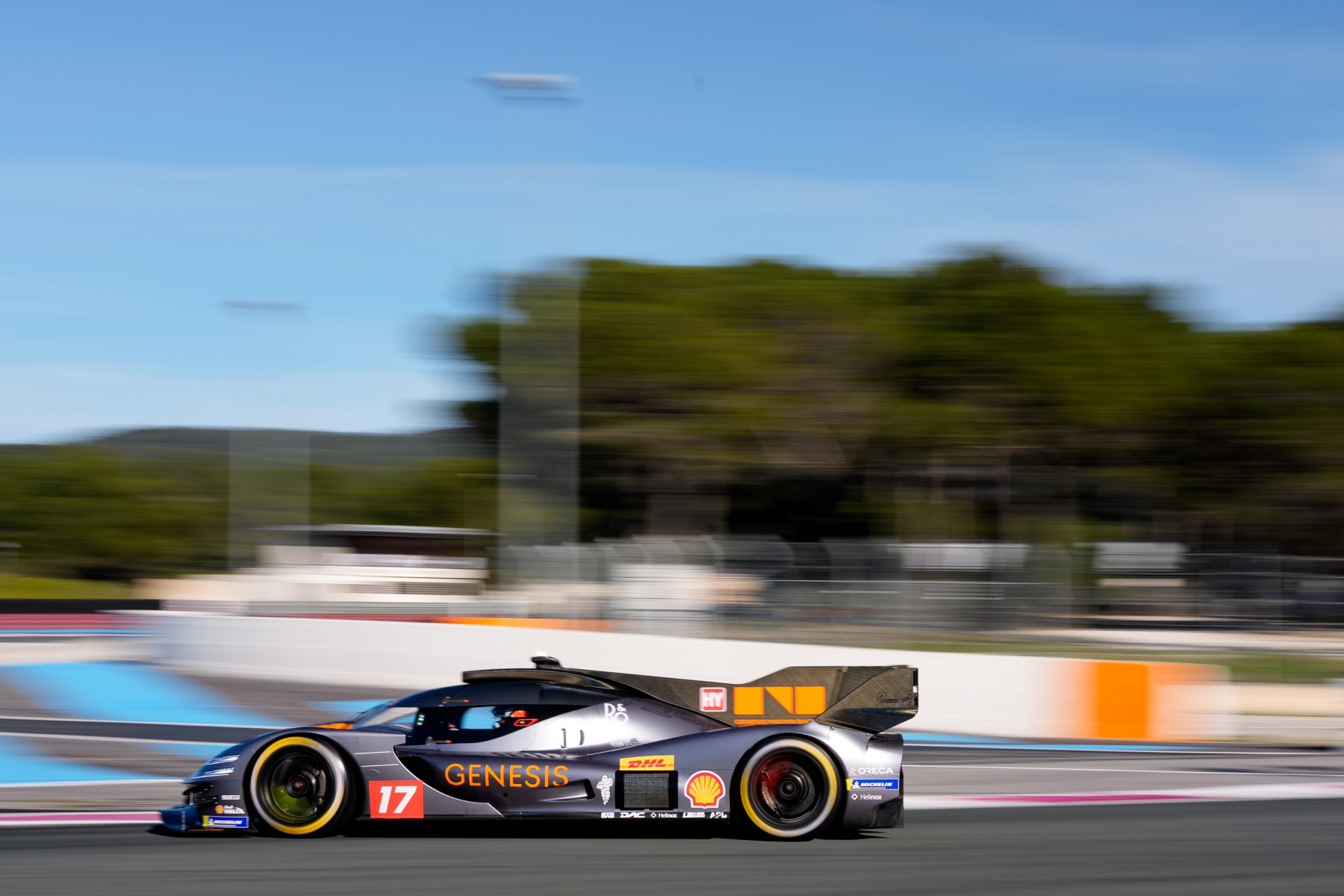
The Hypercar class, in which Genesis Magma Racing competes, features the most technologically advanced prototypes from major manufacturers and heritage marques. Hypercars include both Le Mans Hypercar (LMH) and Le Mans Daytona h (LMDh) specifications. Regulations are defined jointly by FIA and the Automobile Club de l'Ouest (ACO). LMDh regulations are also defined jointly by the ACO and the International Motor Sports Association (IMSA).
LMH allows manufacturers freedom to design their cars from the ground up, while LMDh mandates the use of a standardized chassis and hybrid engine system.
LMGT3
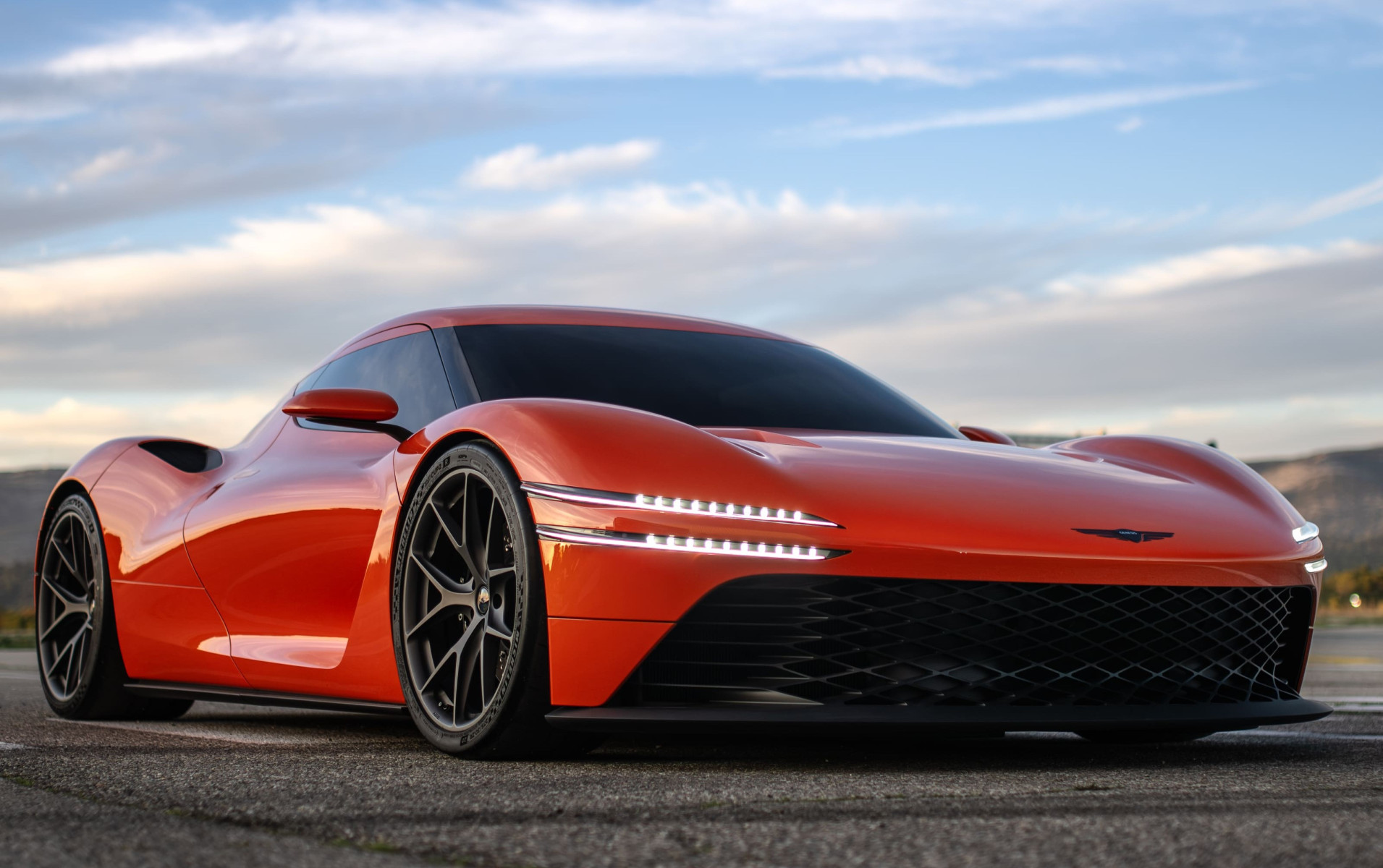
The LMGT3 class is based closely on production grand tourers (GT) but with heavy modifications for racing. Usually, any extraneous frills are stripped out of the cars and replaced with a full roll cage and advanced safety systems.
LMP2
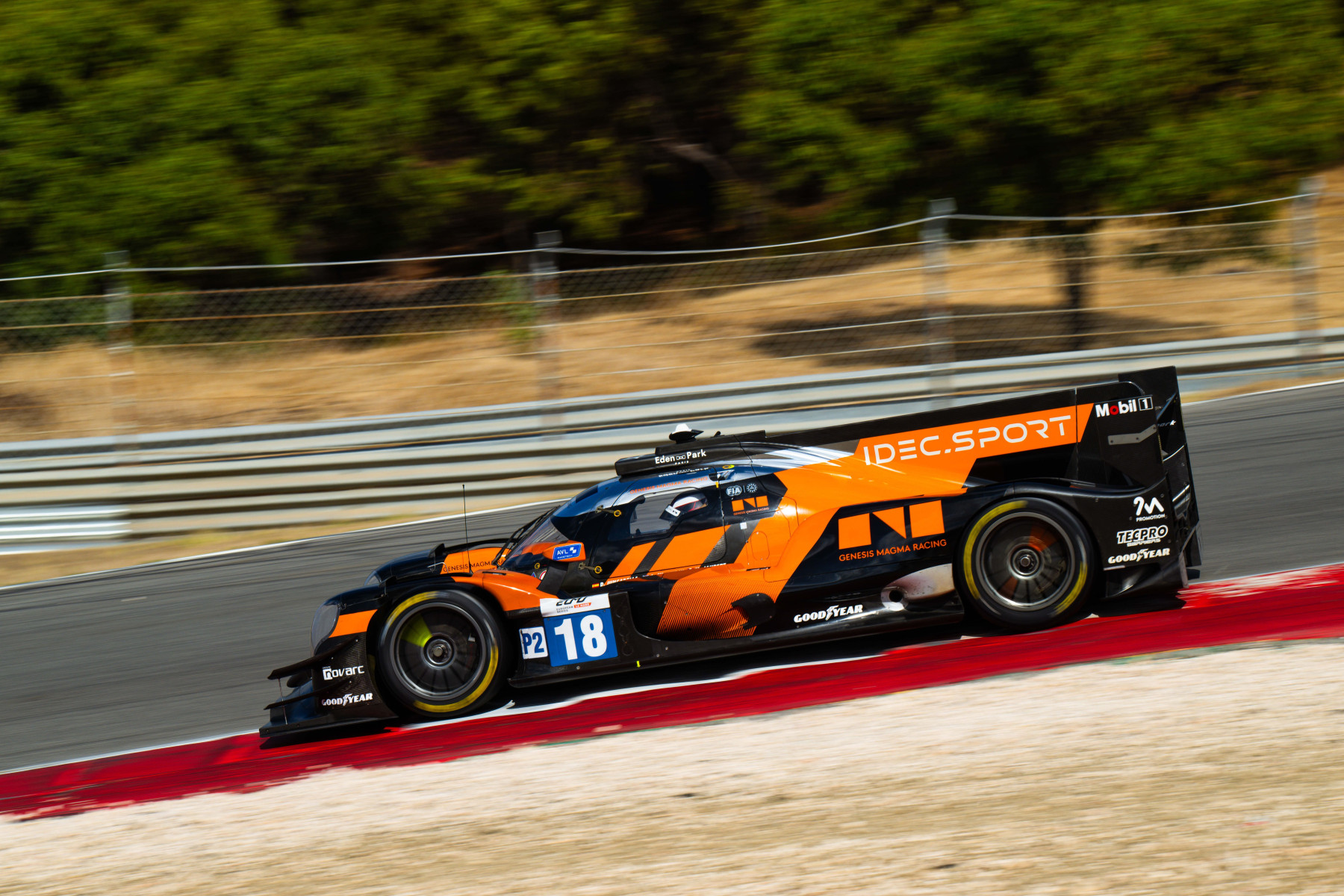
LMP2 is a secondary prototype class that only appears once in the WEC calendar, at the 24 Hours of Le Mans. Each one is powered by the same standard engine on the same chassis to maintain affordability and tight competitions. This class is often used as a proving ground for teams and drivers aspiring to move up to the Hypercar class.
Genesis Magma Racing has an ongoing collaboration with French racing team IDEC Sport, which competes in the LMP2 category at the 24 Hours of Le Mans and in the European Le Mans Series. Since 2025, GMR Trajectory Program drivers have been placed in the IDEC Sport cockpit to fine-tune their endurance racing skills and prepare them to potentially ascend to the Hypercar category.
Race Weekends Explained
Each race typically takes place over a three-day weekend, except for the four-day 24 Hours of Le Mans.
Day 1: Free Practice
The first day of the event consists of three timed practice sessions. Teams and drivers use them to fine-tune their car for the track and make any necessary last-minute adjustments.
Day 2: Qualifying
Qualifying races determine each car’s starting position on the grid on race day. Races consist of relatively short qualifying and Hyperpole sessions for each car class. After the first qualifying round, the top 10 finishers get a chance to race again in the Hyperpole qualifying race to vie a second time for Pole Position.
Day 3: Race Day
Race day begins with cars lining up on the grid based on their qualifying results. The cars are positioned at a slight angle next to the pit wall known as “ear of corn” or “echelon” style, with Hypercars in front of the LMGT3 class. After a single formation lap behind the safety car to warm up, the timed race officially begins as the safety car exits the track via the pit lane and the first race car passes the starting line a second time.
The Path to Victory
Pole sitters in reach class receive a point each ahead of the race. Race points are awarded based on the number of laps completed in the race timeframe. The car with the most laps completed in its class gets 1st place and the most points. The next nine cars each score a decreasing number of points.
| Race Duration / Car Placement: | 1st | 2nd | 3rd | 4th | 5th | 6th | 7th | 8th | 9th | 10th |
| 6h | 25 | 18 | 15 | 12 | 10 | 8 | 6 | 4 | 2 | 1 |
| 8h | 38 | 27 | 23 | 18 | 15 | 12 | 9 | 6 | 3 | 2 |
| 24h | 50 | 36 | 30 | 24 | 20 | 16 | 12 | 8 | 4 | 2 |
Points earned by cars in each class based on finish position across different race durations.
In the event of a tie in the number of laps completed, the times in which the cars cross the finish line determine the order. Any car after 10th place, or that has covered less than 70% of the distance of the 1st car, does not receive points. At the end of the season, five different championship titles are awarded across the Hypercar and LMGT3 categories.
| Class | Championship | Recipient |
| Hypercar | FIA Hypercar World Endurance Manufacturer’s Championship | Manufacturer, e.g., Genesis. Must field two cars |
| FIA World Cup for Hypercar Teams | Privateer teams and manufacturers entering more than two cars in the Hypercar category | |
| FIA Hypercar World Endurance Driver's Championship | Drivers of the same car | |
| LMGT3 | FIA Endurance Trophy for LMGT3 Teams | Team |
| FIA Endurance Trophy for LMGT3 Teams | Drivers of the same car |
As a manufacturer team fielding two cars, Genesis Magma Racing qualifies to compete for two of the titles: the FIA Hypercar World Endurance Manufacturers’ Championship and the FIA Hypercar World Endurance Driver's Championship.
For the Manufacturers’ title, only points from its highest-finishing car in each race will contribute to this championship. The drivers of each car share the points awarded to their respective entry.
Stay tuned for part 2 explaining what happens during the race.