

INFOTAINMENT SYSTEMS, THEN AND NOW
SEOUL, July 24, 2024 — For decades, technological advancements have had a significant impact on the design of car interiors, most notably infotainment systems.
Here’s a look back at the evolution of center consoles and clusters.
Evolution of Media
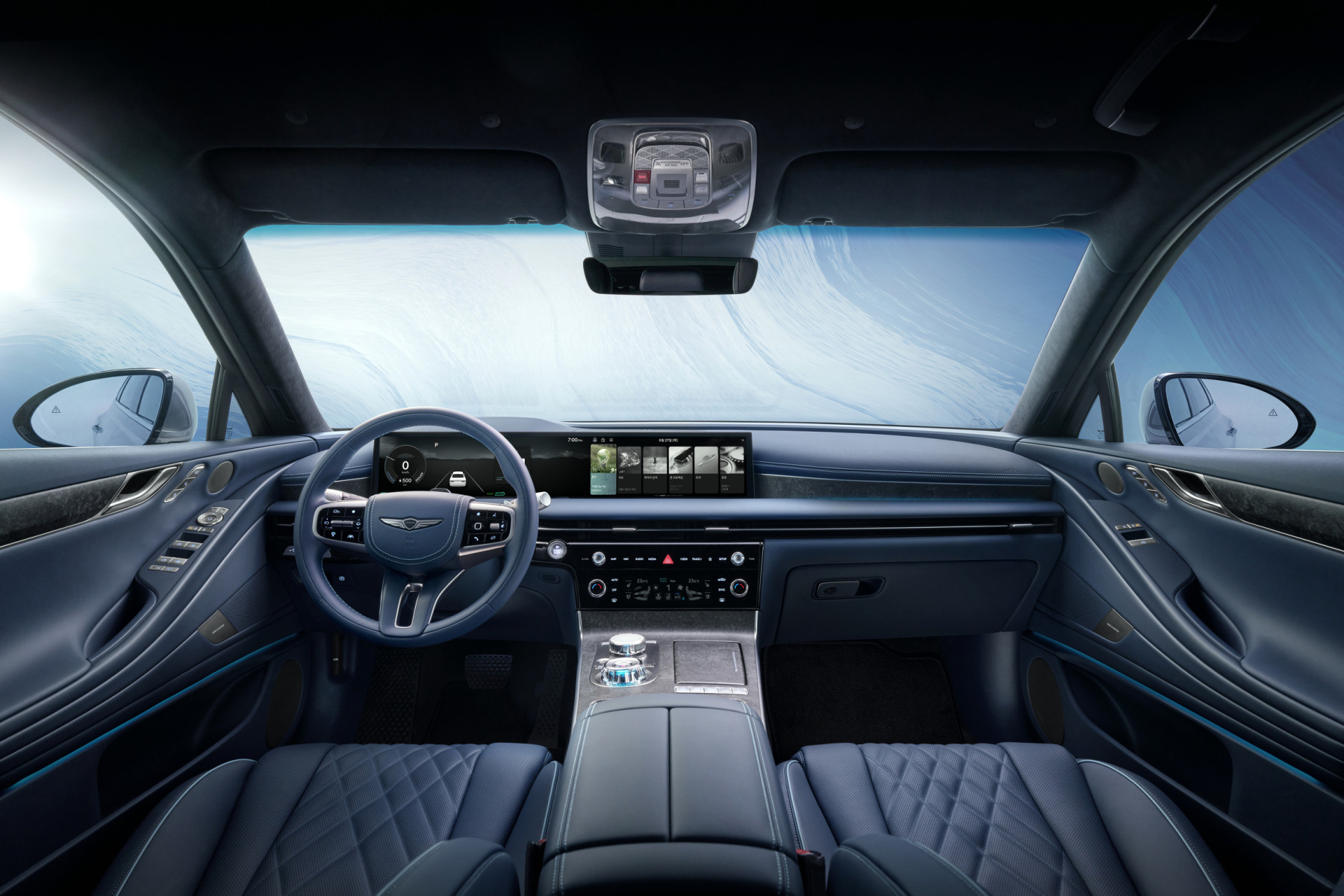
The simplification of car interiors is closely tied to the evolution of media, particularly the shift from audio to visual formats. With the rise of visual media such as navigation systems, there became a need for more prominent display placements in car interiors, which transformed basic information panels to more sophisticated control centers.
In the 1930s, the radio was the first media system to be integrated into vehicles. Its analog displays and radio frequency controls were replaced with digital displays in the 1970s, when FM stereo tuners were introduced. These digital displays evolved to show driving information such as mileage, marking the beginning of the infotainment system.
Over time, radios transitioned into multimedia systems that could play cassette tapes, which later gave way to compact discs.
As technology continued to progress, digital displays, with their inherent limitations, were subsequently replaced by monochrome liquid crystal displays (LCDs). LCDs revolutionized visual expression, allowing for more intricate details and enabling the use of larger display screens.
Navigation System
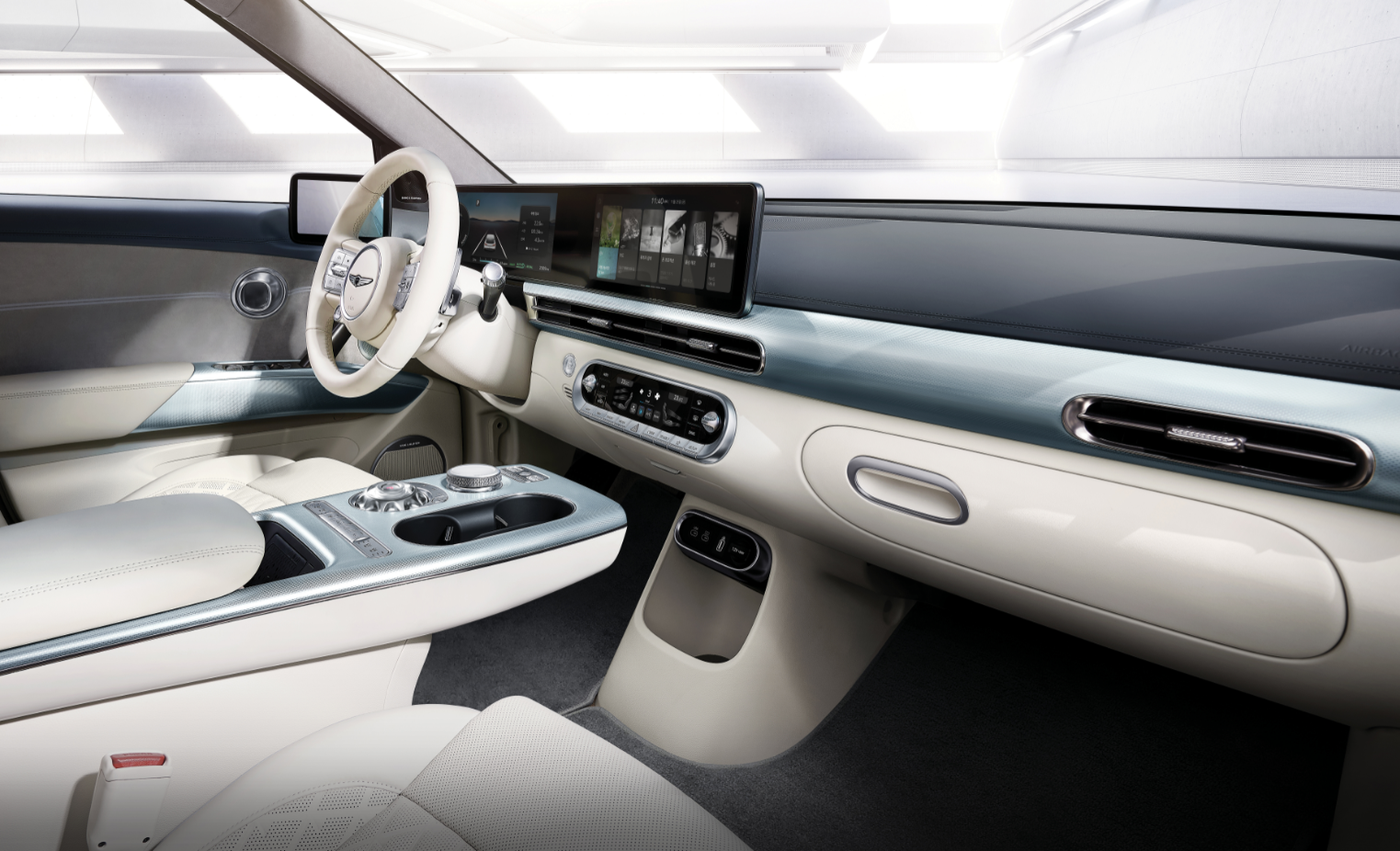
Car navigation systems made their debut in the 1980s and became commercially available in the mid-1990s. These groundbreaking systems, equipped with color LCD displays, transfigured the way maps and directions were presented in vehicles.
Car navigation systems were initially standalone devices exclusively focused on providing navigation information, separate from audio systems. As time progressed, they were seamlessly integrated into existing media devices. This integration gave rise to the modern-day infotainment system, a multimedia interface located at the front of the vehicle that serves as the primary display for vital vehicle information.
Unlike car radios, navigation systems demand more attention from the driver while on the road. With the increasing range of functions and frequency of use, automakers began strategically positioning monitors and controls at the top of the center fascia, minimizing the driver’s eye movement and allowing for quick and effortless access. To this day, this screen-focused interior design has persisted as a dominant trend in the auto industry.
Touchscreen
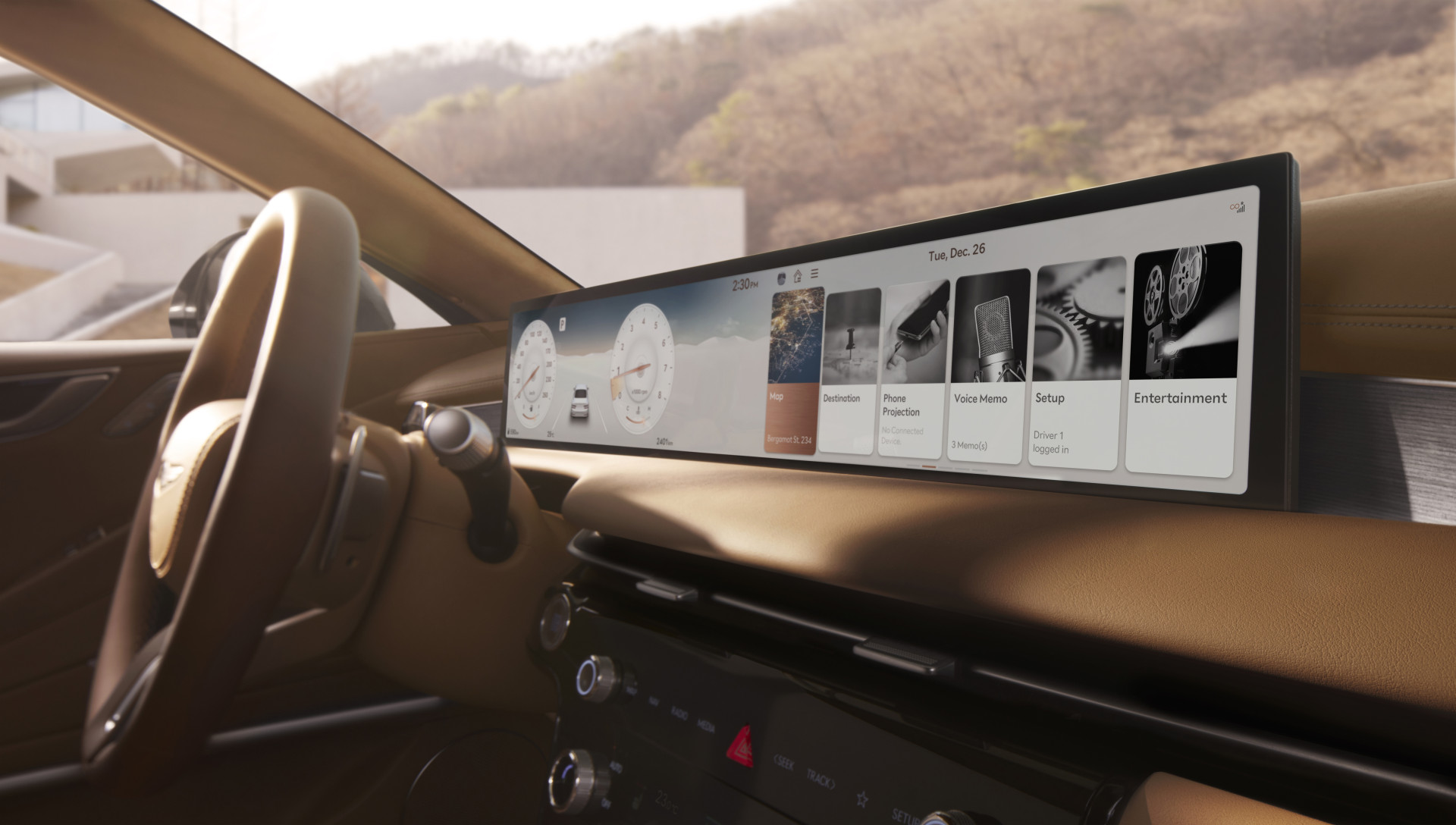
The widespread adoption of touchscreen technology greatly reduced the need for physical buttons with the integration of touch layers and modular designs. As a result, the interior of modern cars has become more streamlined and user-friendly, with a greater emphasis on intuitive and immersive displays.
Recent advancements in integrated circuits have further revolutionized the auto industry by facilitating the implementation of curved displays and OLED panels. These cutting-edge technologies have encouraged interior designers to reimagine the layout of the car’s displays and controls, allowing for a more minimalist center fascia.
Cluster
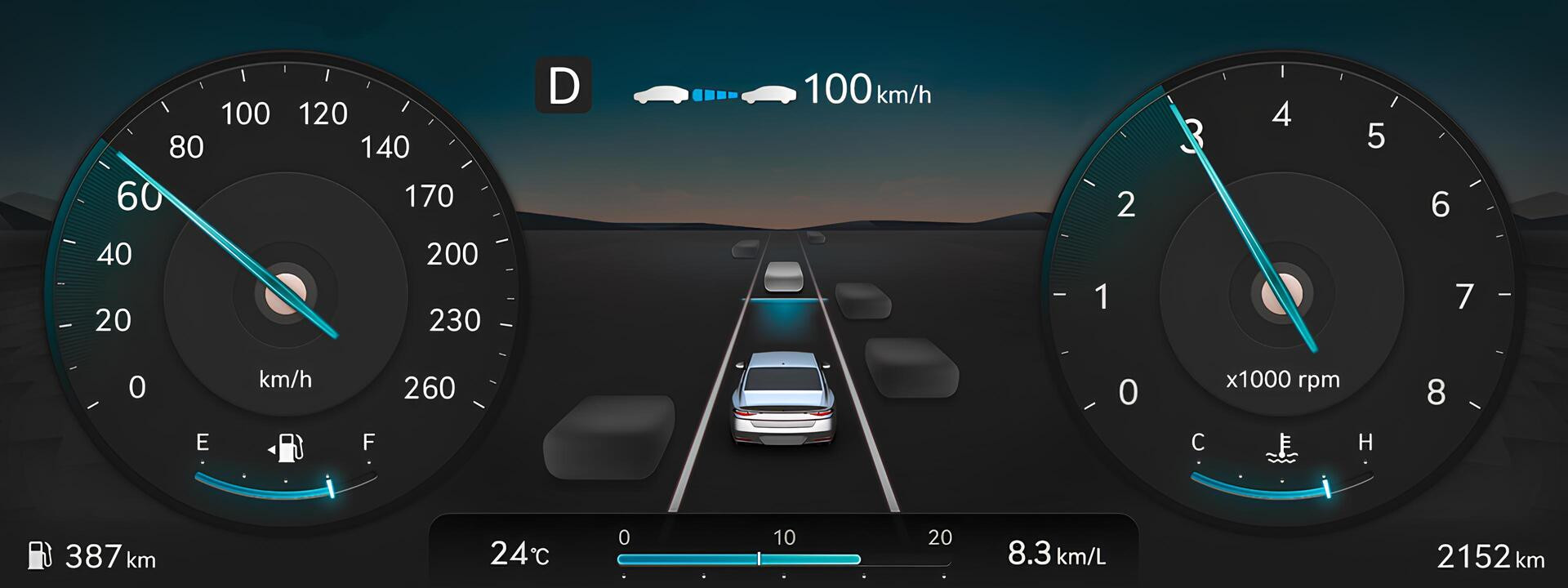
Another area that’s benefited from advances in hardware technology is the cluster. In the past, basic information such as speed, engine revolutions per minute (RPM) and fuel level were displayed analogically. With the advent of trip computers, additional features such as remaining driving distance and total mileage have been incorporated and displayed digitally through LCD screens or digitized displays.
Over time, the cluster display has increased in size and transformed into a full-color display as the information shown on the cluster has become more complex and diverse, surpassing the capabilities of the traditional trip computer. Modern designs feature sleek and bezel-less displays, creating a more spacious and open feel.
Setting the Stage for a New Era
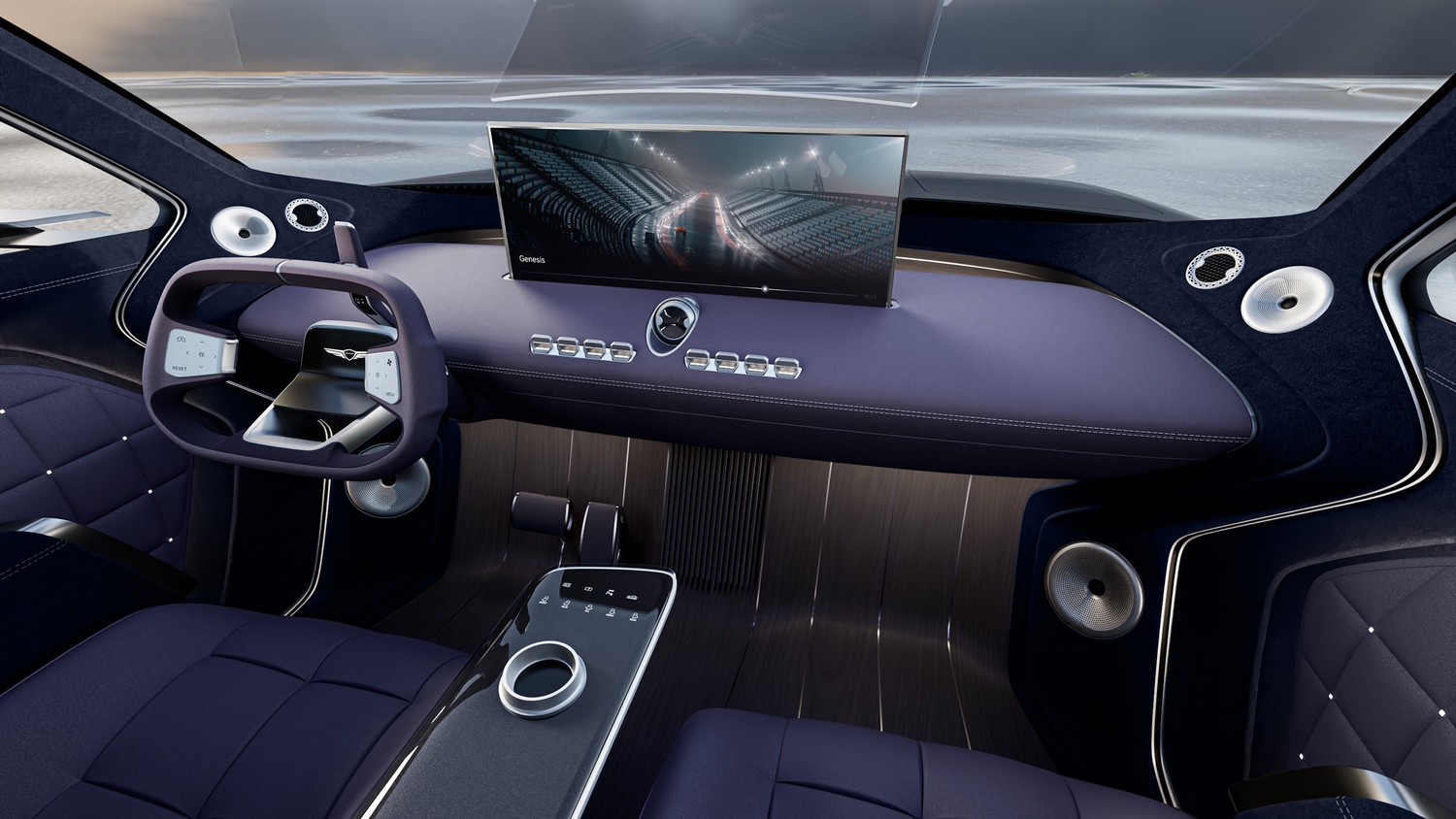
Countless breakthroughs in technology are on the horizon. Fully autonomous driving will transform mobility control systems and interfaces, while augmented reality (AR) and virtual reality (VR) will provide passengers with immersive content experiences like never before.
However, the ultimate goal to ensure that passengers travel with comfort and joy will remain unchanged. It is in this pursuit that the Hyundai Motor Group strides ahead, setting the stage for a new era of automotive excellence.