

THE FIRST 500 DAYS OF GENESIS MAGMA RACING'S JOURNEY
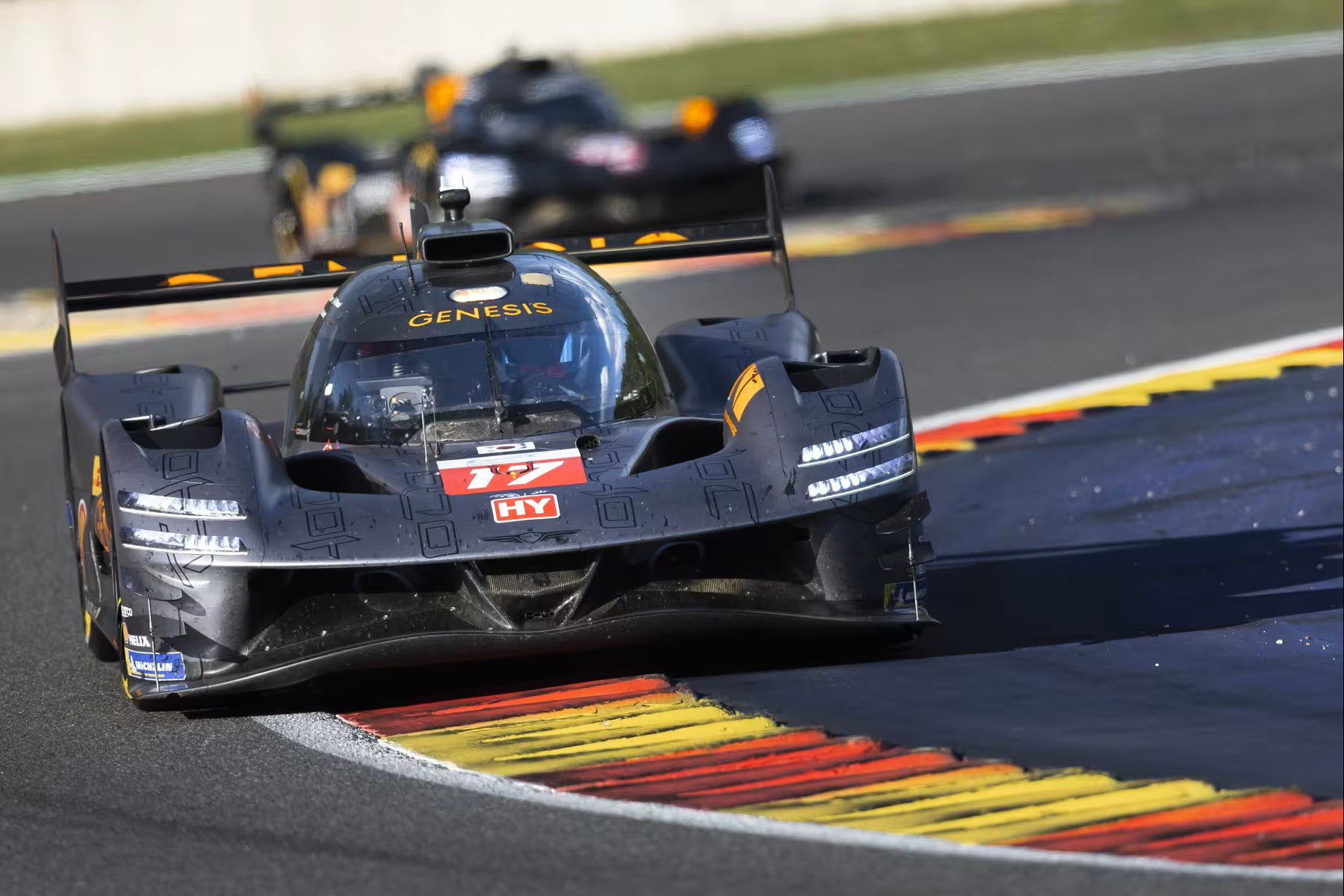
STAVELOT, Belgium, June 10, 2026 — The tension in the Genesis Magma Racing garage was palpable. In the final, frantic hour of the 6 Hours of Spa-Francorchamps, the #17 GMR-001 Hypercar was engaged in a brutal sprint to the finish. Driver Pipo Derani was battling power issues and managing energy constraints to defend his position against rivals on fresher tires.
Thanks to an aggressive, perfectly executed pit strategy under a Virtual Safety Car, Derani held his ground in the closing stages. He crossed the line in eighth place to secure the marque's first-ever points in the FIA World Endurance Championship (WEC). Meanwhile, despite early electrical setbacks, the sister #19 car also brought it home, proving the engineering resilience of the newcomer team.
“In only our second participation in an endurance race, we could not have dreamt of a better place than Spa to score the very first points in the history of Genesis Magma Racing,” said Team Principal Cyril Abiteboul. “We are still a very young team, and this result is an extremely emotional moment for all our members.”
Scoring points in just the team’s second start is a massive achievement. But the true story of Spa is not just what happened on the track; it is the unprecedented, hyperspeed journey that got the cars there in the first place. With just 499 days between its public announcement and its first official race, the marque transformed an ambitious concept into a fully operational force in the WEC. It was a rapid ascent that defied conventional motorsport wisdom, but for the team behind the GMR-001 Hypercar, it represents a lifetime dream fulfilled and a bold new chapter for Korean motorsports.
From Dream to Reality — A Belgian Homecoming
For Genesis Chief Creative Officer Luc Donckerwolke, this rapid ascent to the starting grid is far more than a corporate milestone. It is a deeply personal homecoming. Growing up in Belgium, Donckerwolke spent his childhood watching his hero, Jacky Ickx, dominate the 24 Hours of Le Mans. Ickx cemented his legendary status as “Monsieur Le Mans” with a historic six victories and became a global icon.
But Ickx wasn't just larger than life on the television screen. He was also immortalized in ink. As a young boy, Donckerwolke avidly read the iconic French motorsport comic book series “Michel Vaillant.” Ickx frequently appeared in the comics alongside the fictional protagonist and was famously one of the few real-world drivers whom creator Jean Graton allowed to beat Michel Vaillant on the page. The combination of Ickx’s real-world dominance and comic-book heroism deeply influenced Donckerwolke, helping to ignite the passion that drove him to become one of the world's leading automotive designers.
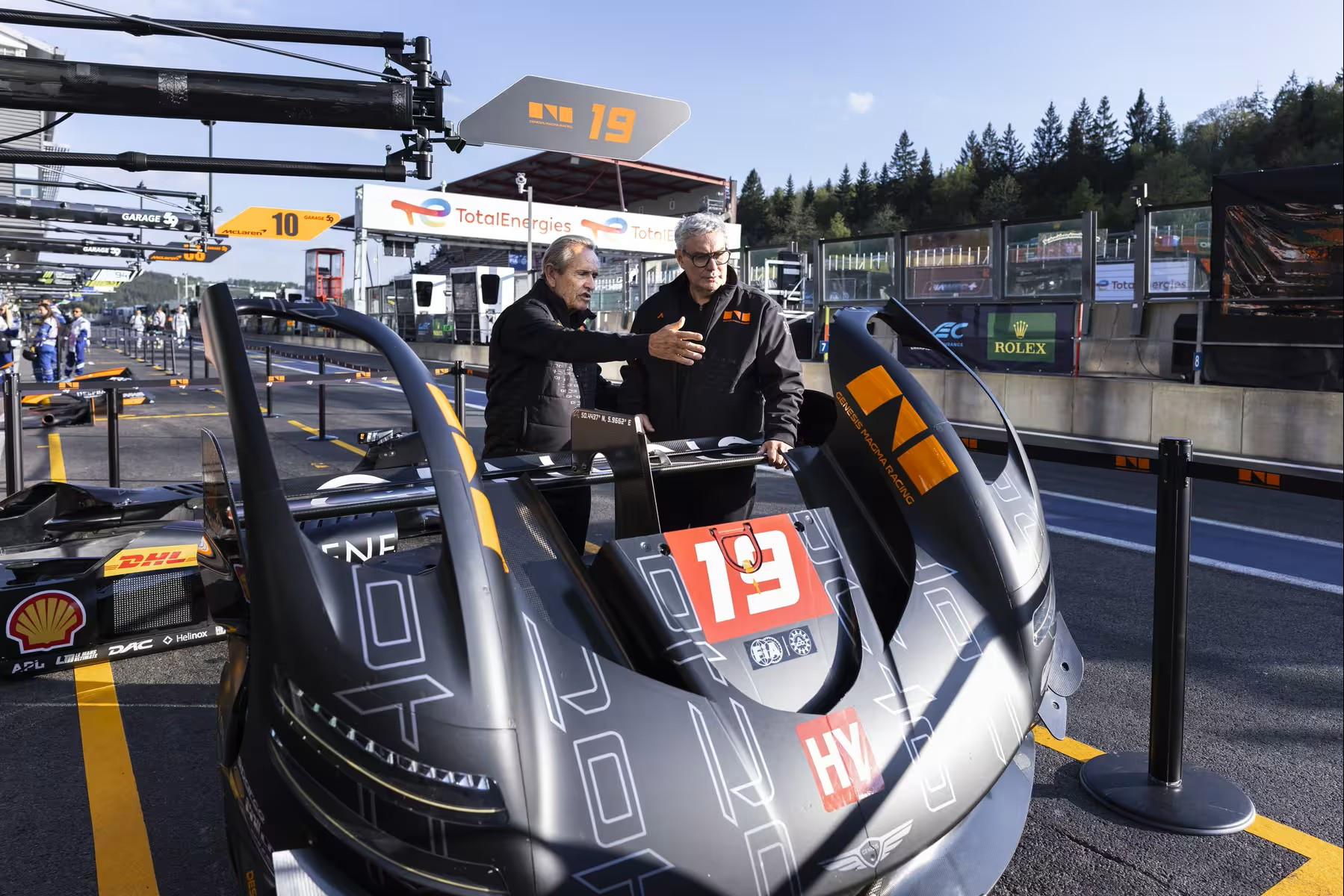
Today, childhood fan and childhood hero have united. Ickx joined Genesis as a Brand Partner and Racing Advisor, bringing his unparalleled endurance experience directly into the paddock. For Donckerwolke, it is the realization of a lifelong ambition.
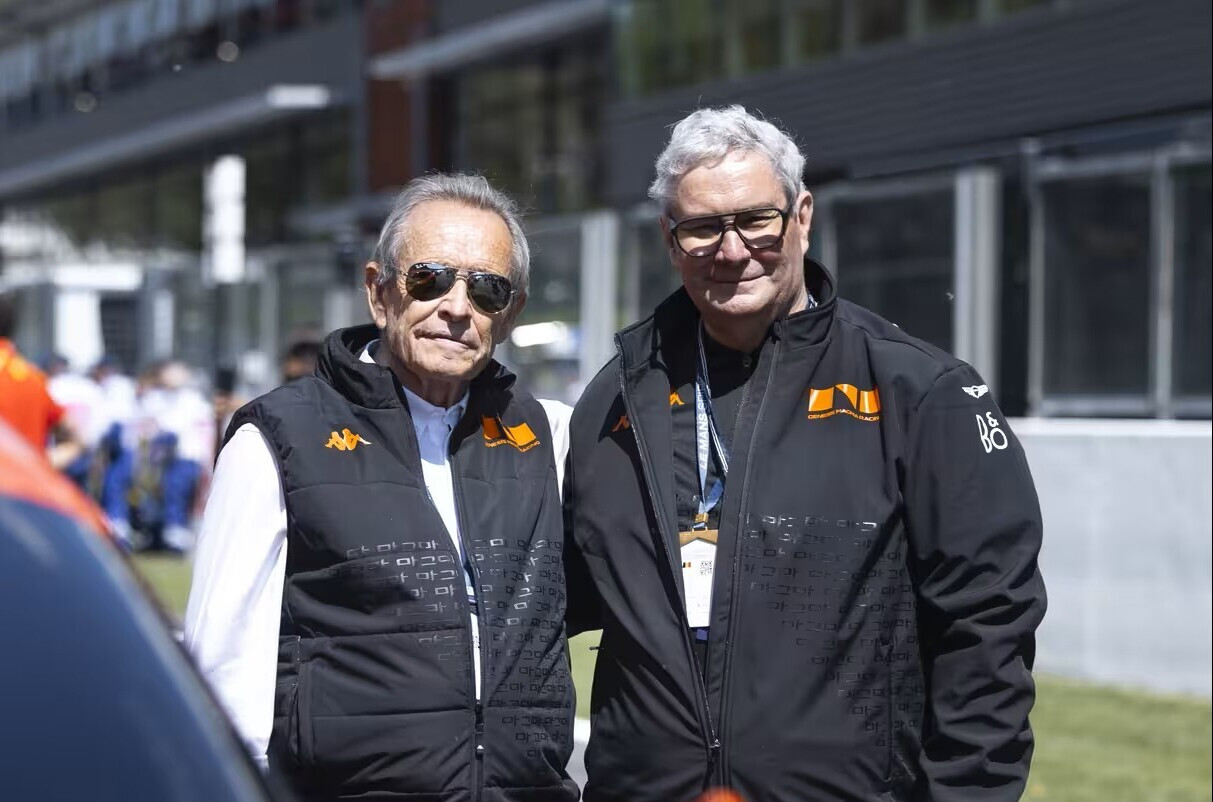
“I grew up watching Jacky winning Le Mans as a kid and basically, I’ve always had this dream of having Genesis Magma Racing since I joined Genesis,” Donckerwolke reflected. “When Cyril joined us, the first thing I did was invite him to the design studio and say my dream is to race Le Mans. And then you know, three years later we are here, 530 days after getting the green light from the Executive Chair to go racing.”
For Ickx, who is not one to rest on his laurels, returning to race at Spa-Francorchamps with a young, ambitious team is an exciting opportunity to look forward to. The legendary driver is famous for keeping his eyes firmly fixed on what’s in front of him in the moment.
“The opportunity to be in action with a nice project surrounded by talented people with a goal, an objective, pah! What a privilege!” Ickx noted. “When I say I’m not nostalgic about my past, I really mean it. I have no trophies at home, because I always think it’s behind me. Indeed, there are some lessons to pick up along the way, but I’m only nostalgic about the people who change your life.”
Hyperspeed Execution
The clock began ticking in September 2024 when the internal decision was made to bring Genesis to the racetrack. Team Principal Cyril Abiteboul was tasked with orchestrating this massive undertaking, relying heavily on his decades of elite motorsport experience.
“It meant more or less a year and a half to build everything from scratch, from the decision that took place in September of 2024 to the first race in 2026,” Abiteboul explained. “That was driving a lot of the choices, from how to find the right powertrain to how to build the team and how to find the right technical partners for the program.”
The timeline forced Abiteboul to make rapid, pragmatic decisions regarding insourcing versus outsourcing.
“Our brand is all about authenticity, so it's not about just being a sponsor, taking third parties’ technologies or just putting our name on an existing car,” Abiteboul emphasized. “There was a genuineness in what we wanted to do. So where do we start? You start at finding how to be very time efficient, which is also cost efficient.”
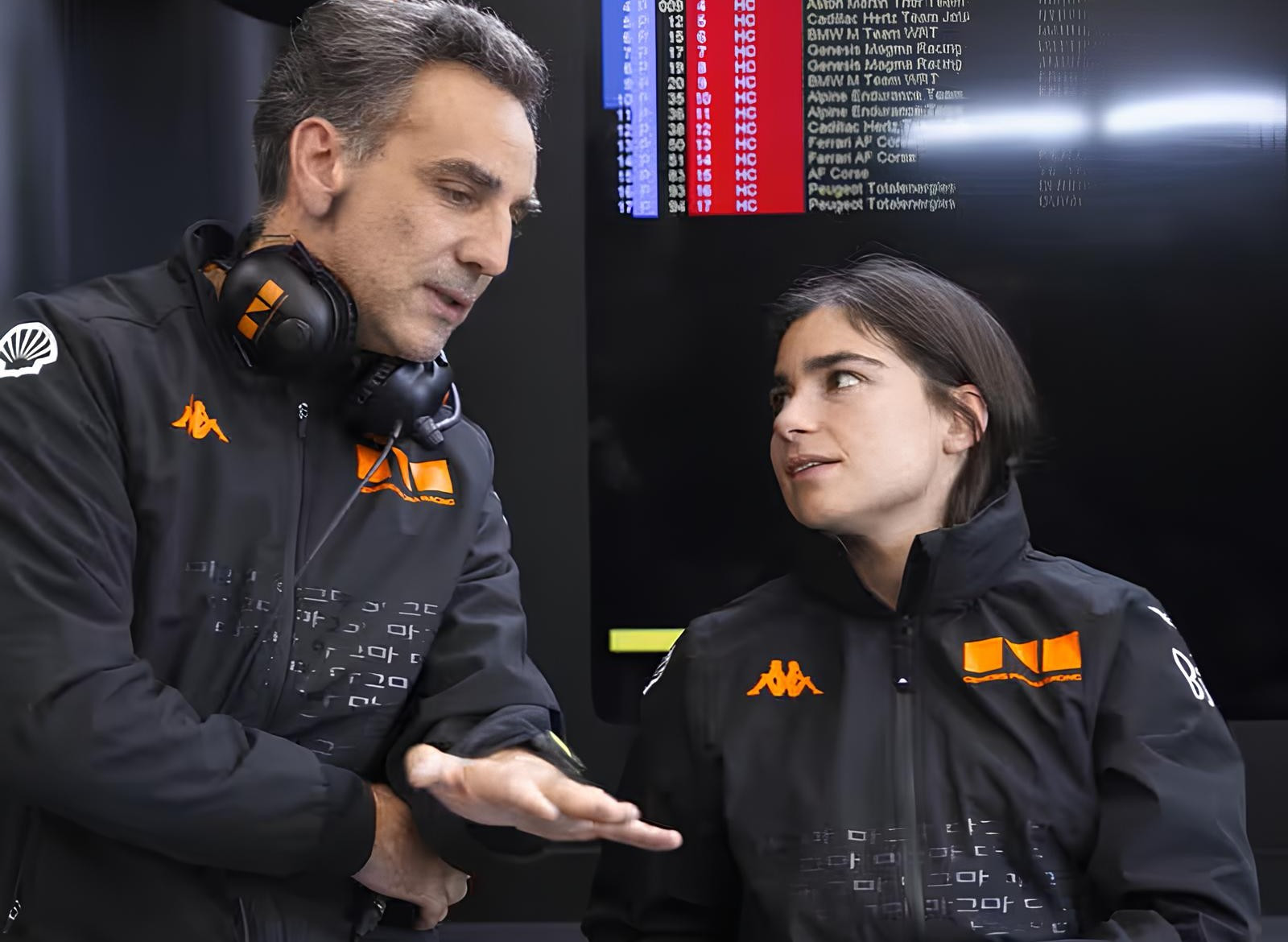
To meet this aggressive schedule, the team had to be ruthless in its efficiency. Abiteboul, drawing on his extensive Formula One experience, knew that geography would play a critical role in the team’s operational success.
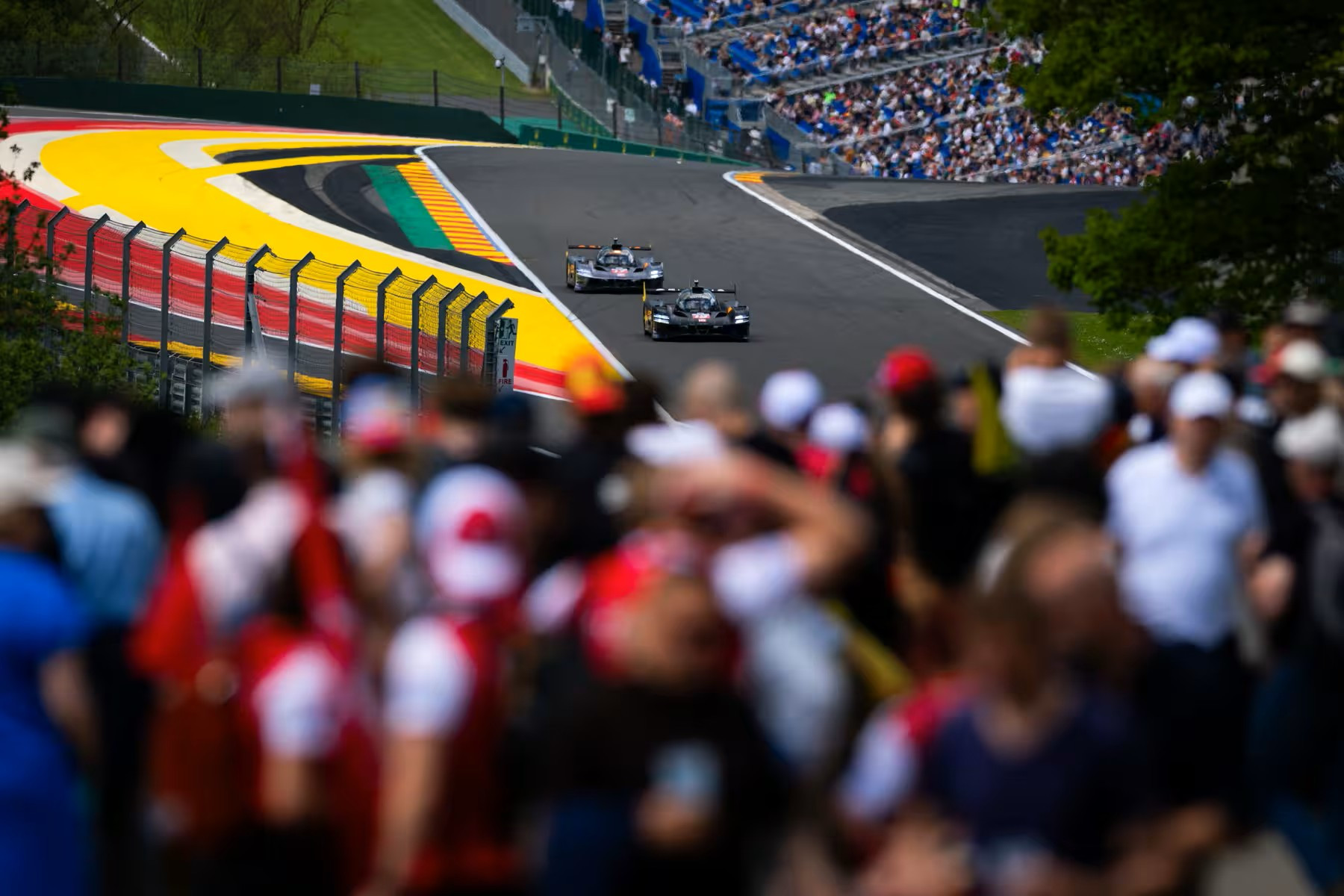
“Endurance is a very French sport,” Abiteboul noted. “We decided also to go very close to [French chassis builder partner ORECA] in order to fast track and optimize collaboration. We are quite close to a track based in the south of France. But it’s also because it’s close to a racetrack. And that’s extremely useful, because we can maximize the number of times that we go testing. In just one evening, we can just go outside of our workshop and we do testing on what is one of the best racetracks.”
Forging the Hypercar
The physical realization of this design philosophy happened at a blistering pace. By February 2025, just months after the initial announcement, the team celebrated a massive technical milestone when the bespoke G8MR 3.2l Turbo V8 engine was successfully fired up at Hyundai Motorsport’s headquarters in Germany. The engine’s rapid development was a masterclass in pragmatic innovation.
“Because we needed an engine in a very short time, Cyril came up with this great idea of using components we had on the shelves by putting two four-cylinder engines together to make a V8, which is incredible,” Donckerwolke said. “Suddenly, you have a 3.2-liter V8 based on components that we know are functioning, and that was the accelerator of the whole process.”
Knowing that track experience is invaluable, Genesis launched the Trajectory Program in March 2025 with partner IDEC Sport. By April, Genesis Magma Racing Trajectory Program drivers made their race debut in the European Le Mans Series, scoring an immediate LMP2 class victory in Barcelona. In May, they secured an overall win at the 4 Hours of Le Castellet followed by a crucial run at the prestigious 24 Hours of Le Mans in June.
Abiteboul championed this step-by-step approach. “To realize our vision, we put together a plan — not just to show Genesis headquarters, but also to the people of Korea. And for that, you need to show that this is going to be a very serious, stable and long-term project. We are going to give ourselves all the resources not just to participate, but also to do well.”
In July 2025, the first chassis met its engine for a full-car fire-up. By August, the GMR-001 Hypercar took to the track at Circuit Paul Ricard, completing over 500 laps. Autumn was dedicated to grueling endurance testing across Portugal and Spain. By December, the engine had surpassed 8,000 kilometers of rigorous track running and the 2026 driver lineup was finalized with promotions from the Trajectory Program.
Building a Korean Motorsport Culture
While the logistical framework was being laid in France, the aesthetic and emotional story of the hypercar was also in the making. For a Korean luxury marque that prides itself on its “Athletic Elegance” design philosophy, stepping into the brutal arena of the FIA WEC required tapping into a different kind of energy.
“What happened is, we did our homework, and we made cars that were premium. But then, we don’t have a hundred years of heritage or hundred years of motorsport,” Donckerwolke explained. “And if you are in this segment, you have to have different facets to your program. You cannot just say, let’s make great cars to bring the kids to school or to go golfing.”
Donckerwolke’s ambitions extended far beyond simply selling cars globally. He recognized that for Genesis to truly embrace its future, the brand needed to proudly project its Korean DNA onto the international racetrack, while simultaneously igniting a passion for motorsports within its home country.
“I discovered 10 years ago that there was no motorsport culture [in Korea],” Donckerwolke recalled. “So I said, my goal is to bring motorsport to Korea. And by doing this, I wanted to start growing the Korean public’s interest in motorsport and get that to be part of the parameters that you look for when you buy a car.”
This cultural mission became a central pillar of the Genesis Magma Racing project.
“Everything that we've done was also in order for the Korean audience to identify with the Genesis Magma Racing team,” Donckerwolke added. “For instance, having the Korean hangeul characters on the livery of our cars was so that there’s an association with our Korean roots. It’s instantly recognizable by the public.”
The Human Element
Despite the cutting-edge technology, the telemetry data and the carbon fiber aerodynamics, the success of Genesis’ entry into endurance racing ultimately rests on human shoulders. Jacky Ickx is quick to remind anyone who will listen that the drivers who get the glory are merely the final link in a massive chain of human effort.
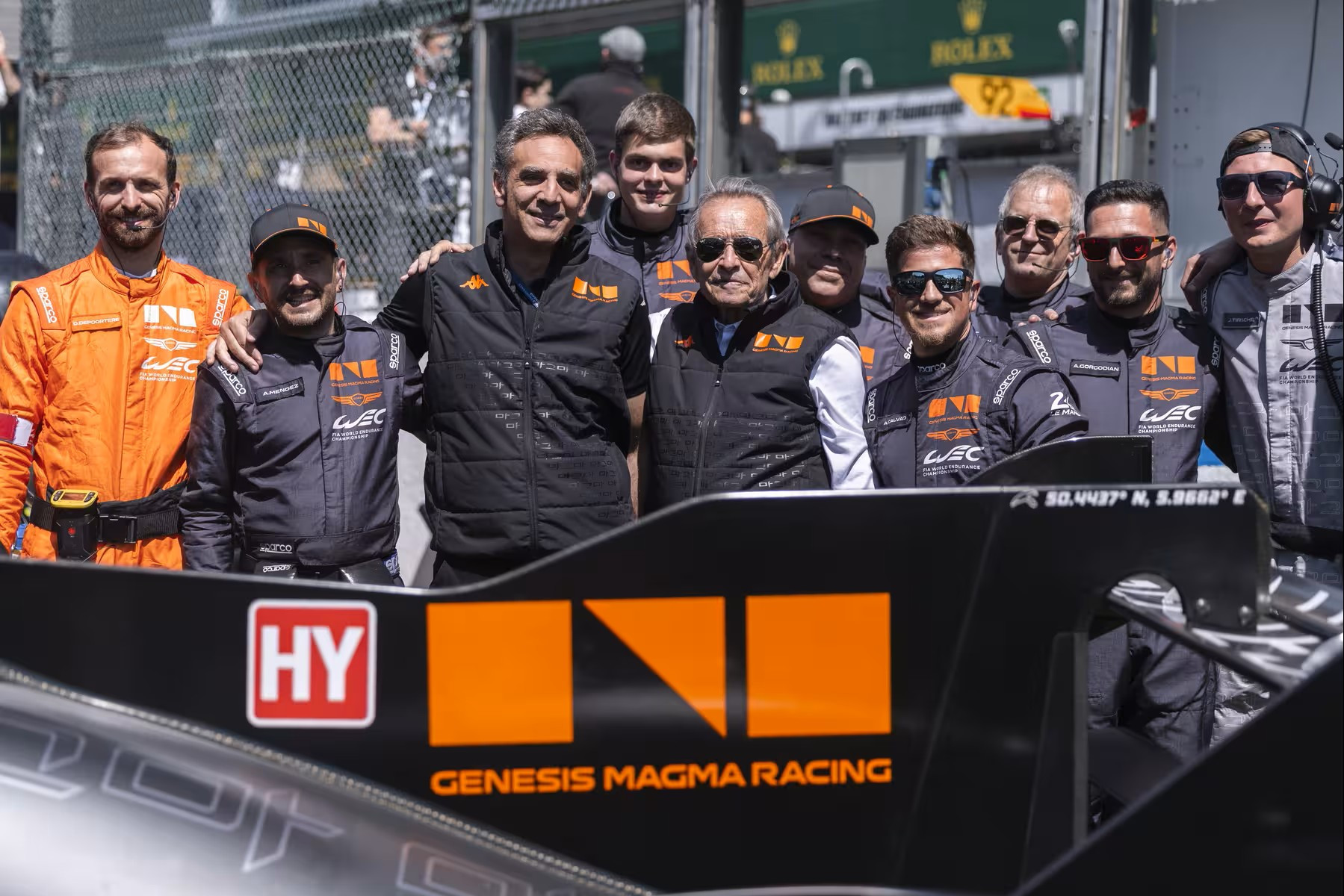
“You are nobody. If you think you did it alone, you are totally on the wrong path,” Ickx stated emphatically as the roar of racing engines could be heard in the background. “You are the result of those you never see or work in the shadows. And those represent, in my opinion, 90 percent of the guys you have seen in the garage. When they are ready, their engineers and their mechanics give you a tool, or the potential to win.”
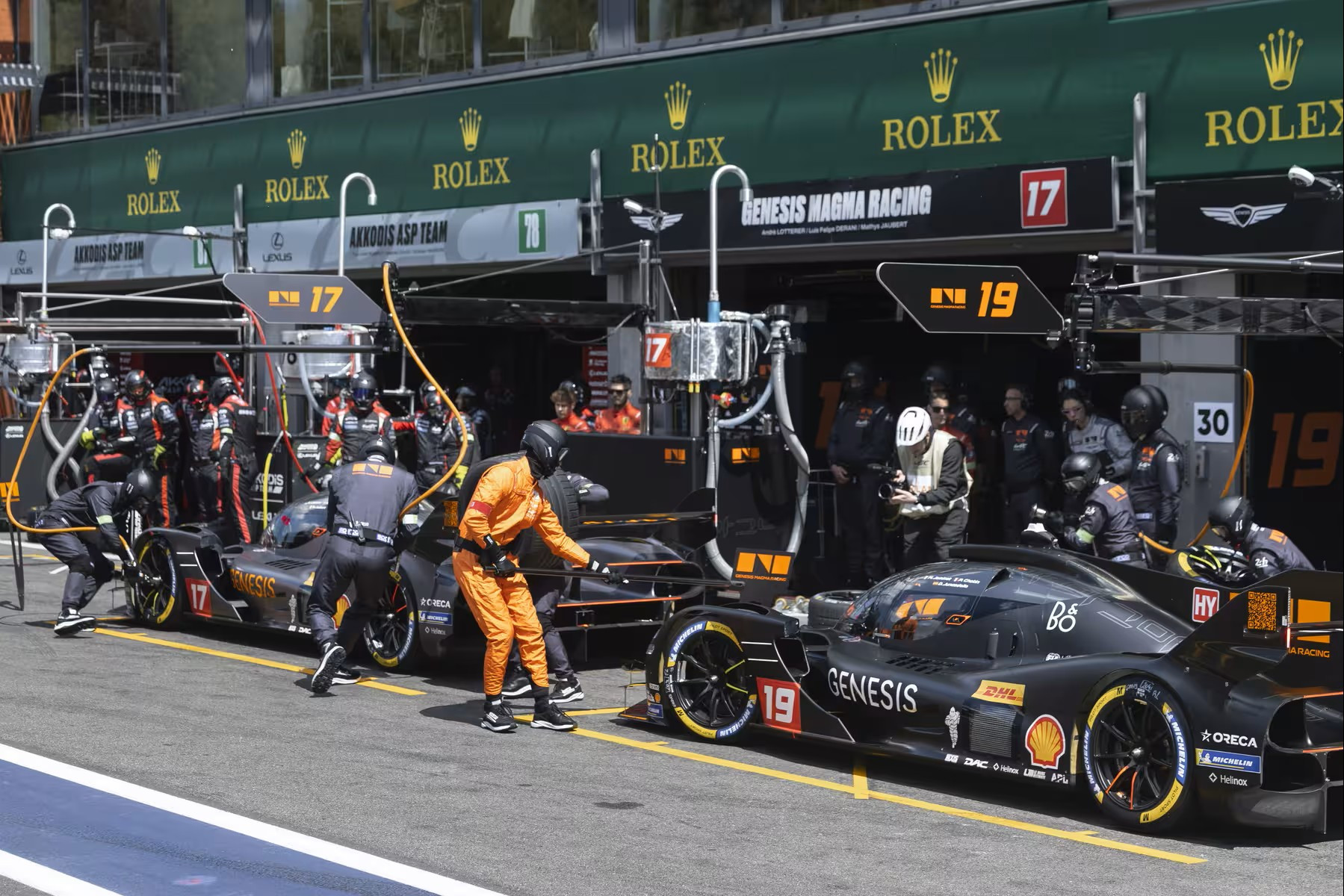
Ickx points to the modern pit stop as the ultimate example of this collective human perfection.
“You know in Formula One, when they change the four wheels in three seconds, it's considered a bad pit stop,” Ickx marveled. “The record is 1.9 seconds for the four wheels. It’s impressive. Every detail is important and everyone has a very important role — the driver is only there to finish the job.”
This focus on the collective is a natural fit for a Korean marque. Ickx observed that the cultural efficiency of the Korean business mindset is a massive advantage in the paddock.
“[In Korea] ‘bbali-bbali’ means when you decide something, you’re instantly ready to climb the mountain. You go for it. You have no time to lose, no time to argue or discuss. [As soon as] the decision is taken, you behave like a missile,” Ickx said.
The Reality of Modern Racing
The motorsport world that Genesis Magma Racing has entered is vastly different from the era of straw bales and gentleman drivers that Ickx dominated. Back in 1973, Ickx qualified at Spa on the old 13.9-kilometer road course with an average speed of 263.5 kilometers per hour. Today, the tracks are shorter, the safety is infinitely superior, and the nature of the races has fundamentally shifted.
“Today, there is one thing you must learn about long distance. It’s not an endurance race anymore. It’s a sprint,” Ickx explained. “You look at the first 10 cars. There are only few tenths of a second between every car,” Ickx continued. “And when you win in long distance with 25 or 30 seconds [gap], they say, ‘Oh, they had an easy race.’ So, [that] explains why every single detail of the car [matters] and the performance comes down to milliseconds.”
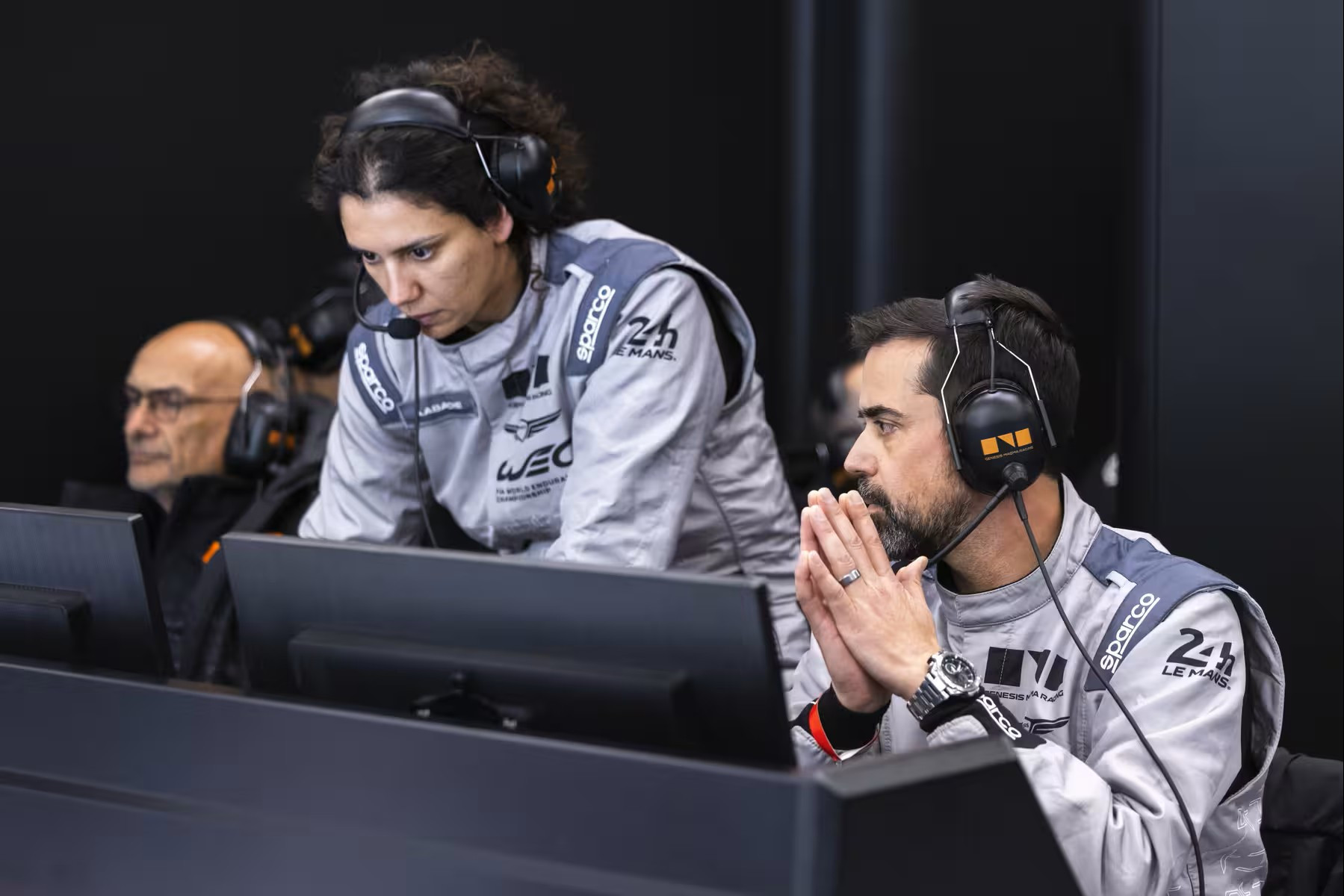
Abiteboul echoed this sentiment, emphasizing that the margins for error have vanished.
“In such a long race, you can make no mistakes,” he said, explaining the strategic nuances between different tracks. “For us, the focus of these first two races, in particular, was always going to be focused on reliability and execution. Right now, we are very low risk in terms of approach for the drivers, the setups, and the strategy.”
More than Just a Finish Line
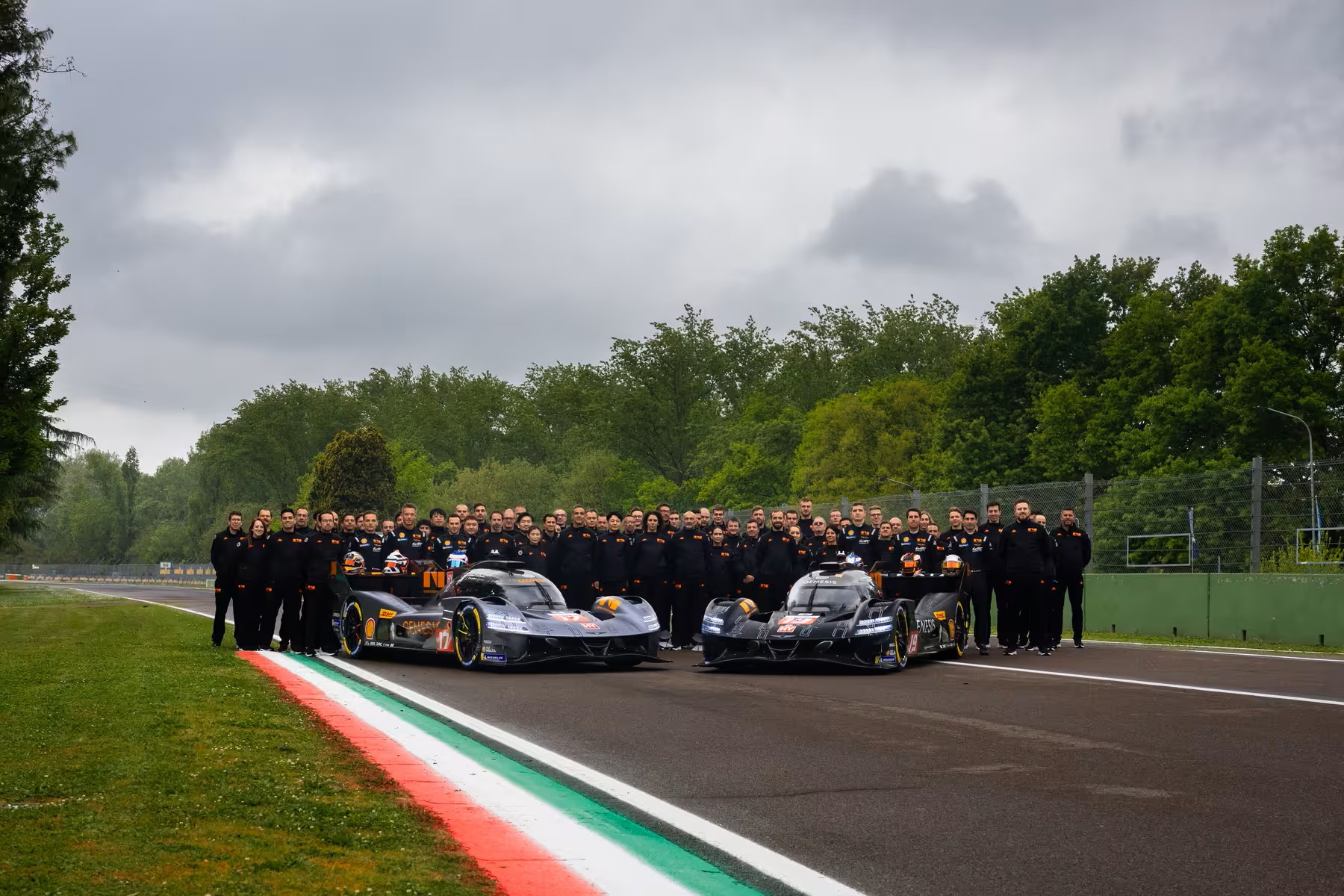
The culmination of this relentless push arrived in April 2026 at the 6 Hours of Imola, 499 days after the announcement of the formation of the Genesis Magma Racing team. Genesis Magma Racing officially debuted in the FIA WEC, proving the engineering resilience of the brand by getting both cars across the finish line. The momentum grew stronger the very next month in Belgium — on Donckerwolke and Ickx’s home turf.
“The 500 days were just enough for us to be ready, because it takes time to develop all the systems,” Abiteboul admitted. “And that’s what we need to get under control so that we can [ultimately achieve] wins.”
“The most important part of the success remains the humans who are composing the team,” Ickx concluded. “The rest is, how do you say, b-------.”