

THE REDESIGNED GENESIS ELECTRIFIED G80: HOW QUIET IS TOO QUIET?
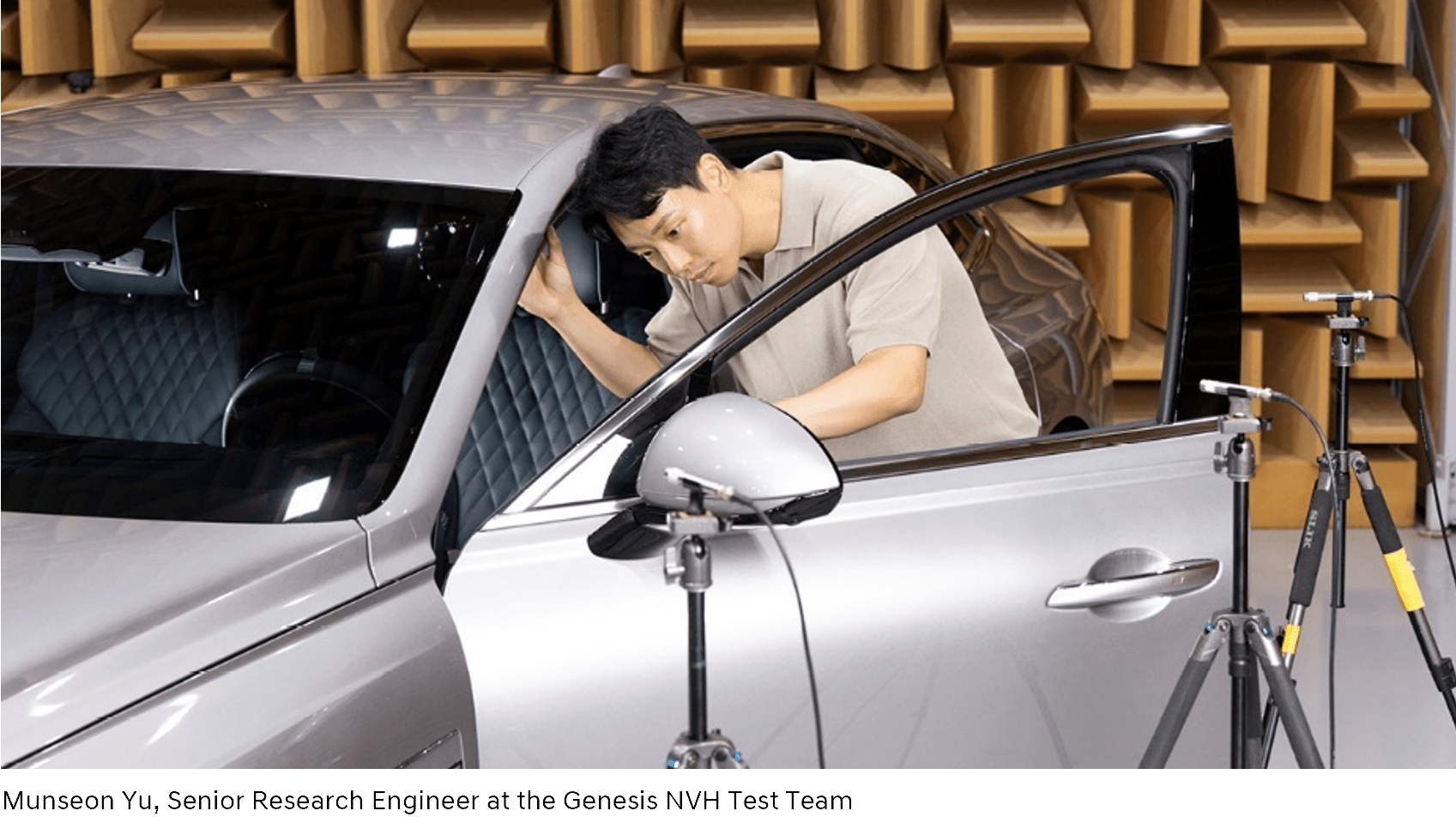
SEOUL, Nov. 29, 2024 — From the careful selection of soundproofing materials to the implementation of thicker windows, Munseon Yu, Senior Research Engineer at the Genesis NVH Test Team, sheds light on the enhanced noise, vibration and harshness (NVH) of the redesigned Genesis Electrified G80.
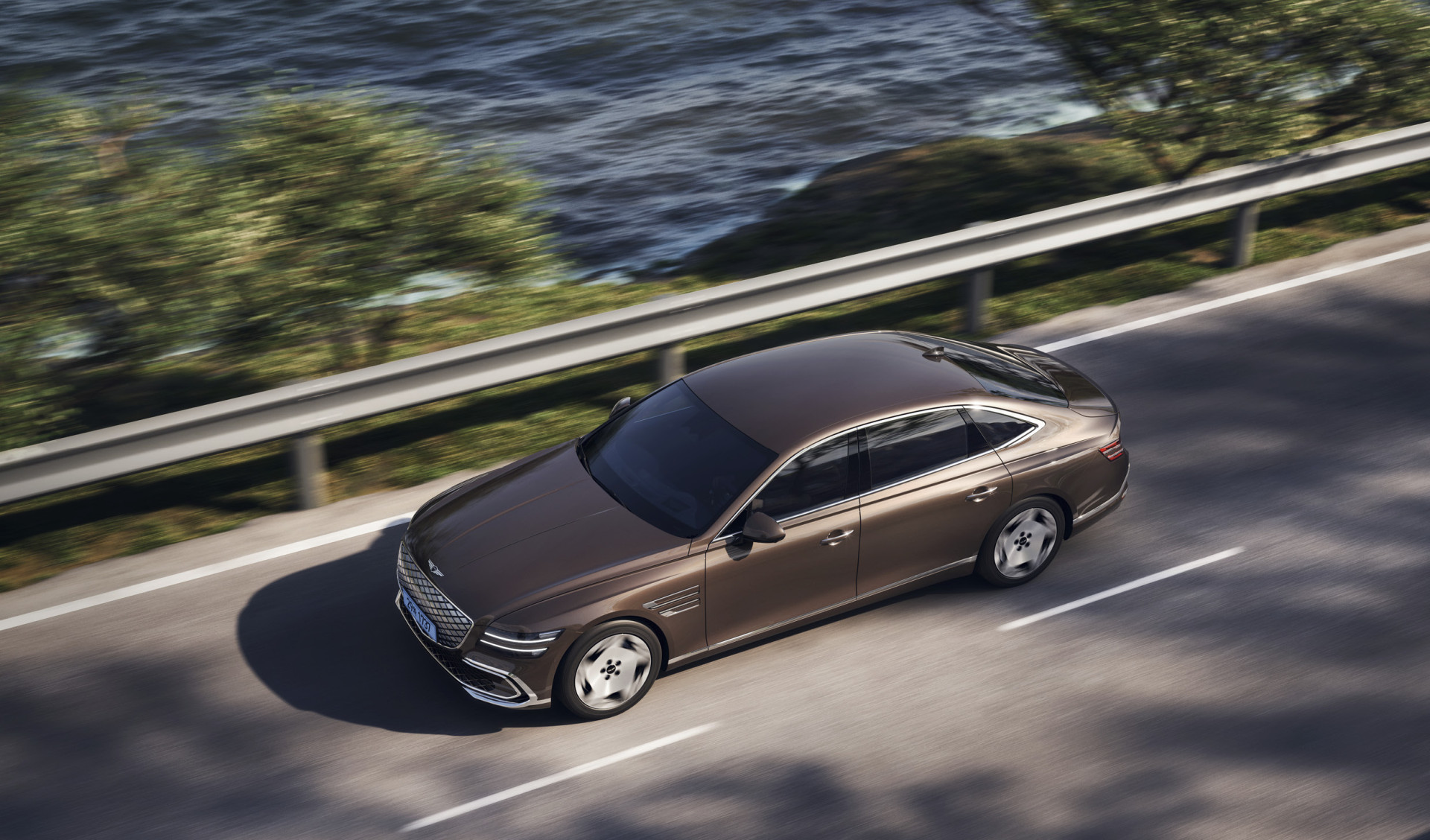
What was the key focus for improving NVH in the latest Electrified G80?
Since the Electrified G80 is Genesis’ flagship EV sedan, the key was upgrading soundproofing performance, particularly in the rear seat area. To achieve this, we significantly reinforced the sound-deafening features in the back, like increasing the use of sound-absorbing materials in the C-pillar area. The quarter glass, which is close to passengers’ ears, has become thicker and made soundproof.
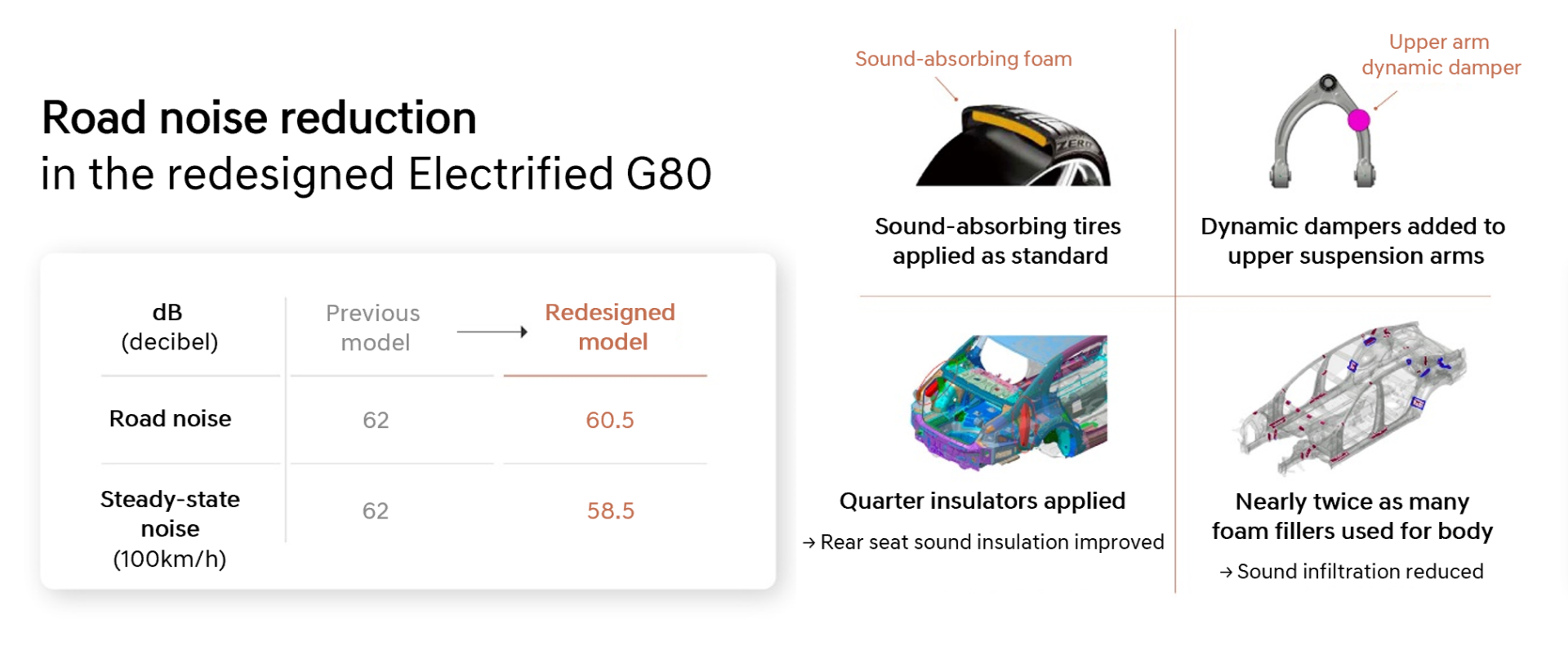
What new measures have been taken to reduce overall road noise?
Sound-absorbing tires that reduce resonance have been applied as a standard, and the upper suspension arms have been equipped with dynamic dampers to lessen noise transmitted from the road surface. Quarter insulators have also been placed between the panels of the rear wheel housings to block noise and improve sound insulation. We even applied nearly twice as many foam fillers than its predecessor to block noise from infiltrating the cabin.
How did the longer wheelbase affect the vehicle’s NVH?
The redesigned model is 130 millimeters longer than the previous version. In other words, our top priority was to address the potential issue of noise transmission through the car floor. We started by enhancing the structure of the floor carpet, which plays a crucial role in absorbing sound on the floor panel. The problem with the integrated floor carpet in our previous Electrified G80 was that it had trouble fitting tightly with the floor panel due to interfering components such as wires and air conditioning ducts. Our new split-type carpet, on the other hand, allows for complete adhesion to every part of the floor. We’ve also extended the length of the pads attached to the front seat center tunnel while increasing the use of sound-absorption material around the rear seat floor area to effectively block high-frequency noise.

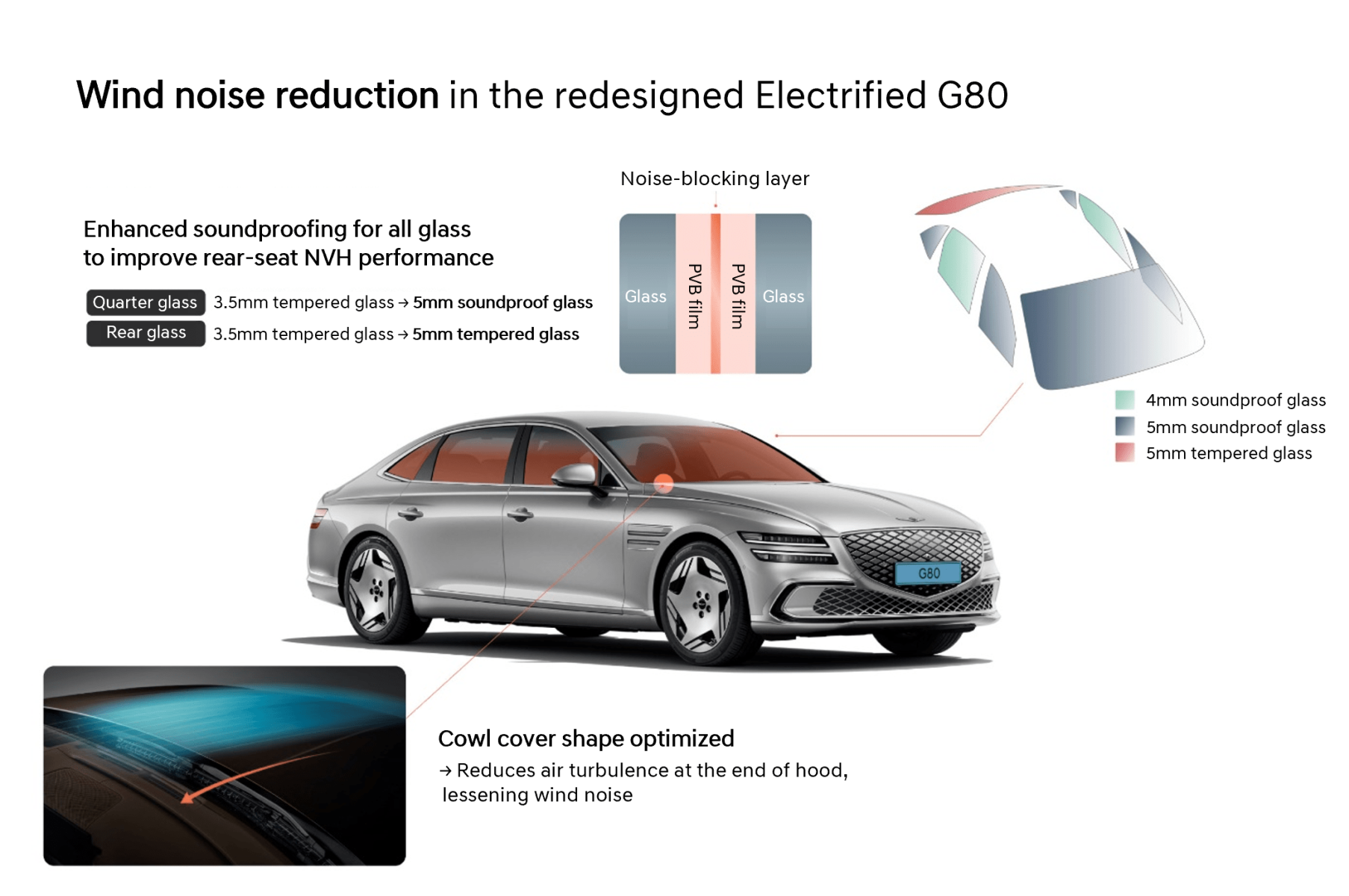
What about wind noise?
Windows in the redesigned model are now thicker. The rear and quarter glass have increased in thickness from 3.5 millimeters to 5 millimeters, with soundproof glass having been applied. The windshield and front door glass also utilize 5-millimeter soundproof glass, while the rear door glass uses 4-millimeter soundproof glass. We have also reshaped the cowl cover at the point where the hood meets the windshield to optimize aerodynamic performance. This significantly mitigates the intensity of the turbulence generated at the end of the hood, greatly reducing wind noise during high-speed driving. To suppress noise entering through gaps around the glass, the shapes of relevant components have been changed as well, and their rigidity has been reinforced to ensure better sealing between parts.
How did you tackle noise coming from the high-voltage battery and power electric system?
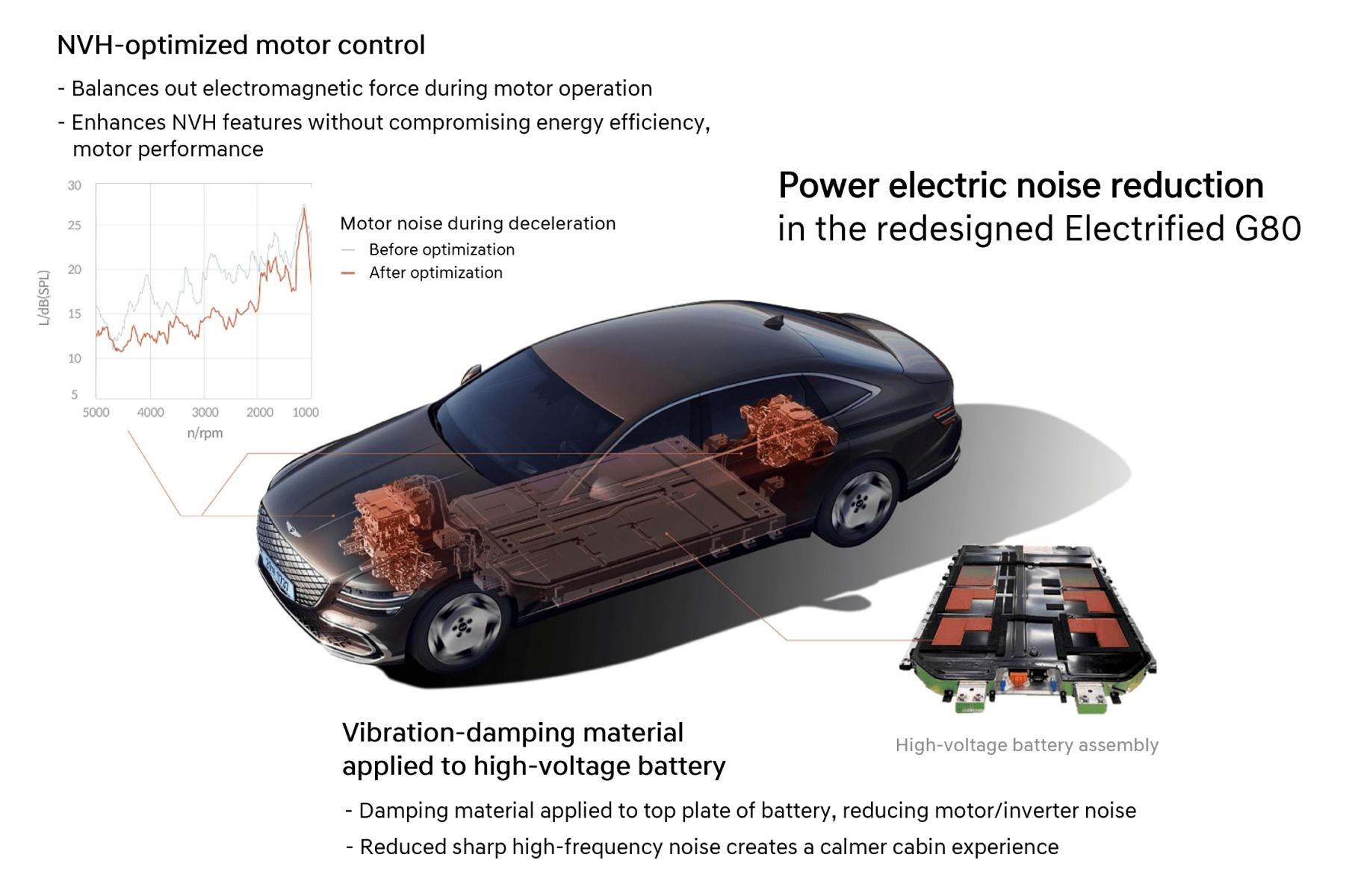
To reduce noise caused by electromagnetic force generated during motor operation, we utilized an optimized motor control technique that balances out the force, consequently lessening motor noise without compromising efficiency and gear ratio. Meanwhile, soundproofing material was attached to the top surface of the battery pack to further reduce high-frequency noise.
Were there any other NVH improvements in the latest Electrified G80?
The upgraded Electrified G80 boasts several new convenience features in the back row, including independently adjustable power reclining seats. With the addition of these seats, we particularly tried to minimize the possible transmission of motor noise from the rear wheels into the cabin. Special attention was given to the reclining zone, where we optimized the choice of materials and enhanced sound absorption performance to effectively reduce noise levels.