

GENESIS KOREA TRAVELOGUE: TRAVELING BACK IN TIME IN THE GV80
ANDONG, Korea, Nov. 28, 2025 — Nestled in between Korea’s undulating mountain ranges is one of the country’s best kept travel destinations: Andong. The historic city is a meeting point of the past, present and future, and has stood for over 1,000 years. About a three-hour drive southeast of Seoul, it was once a center of Confucian scholarship and learning, with several historical academies and temples remaining in the area to this day.
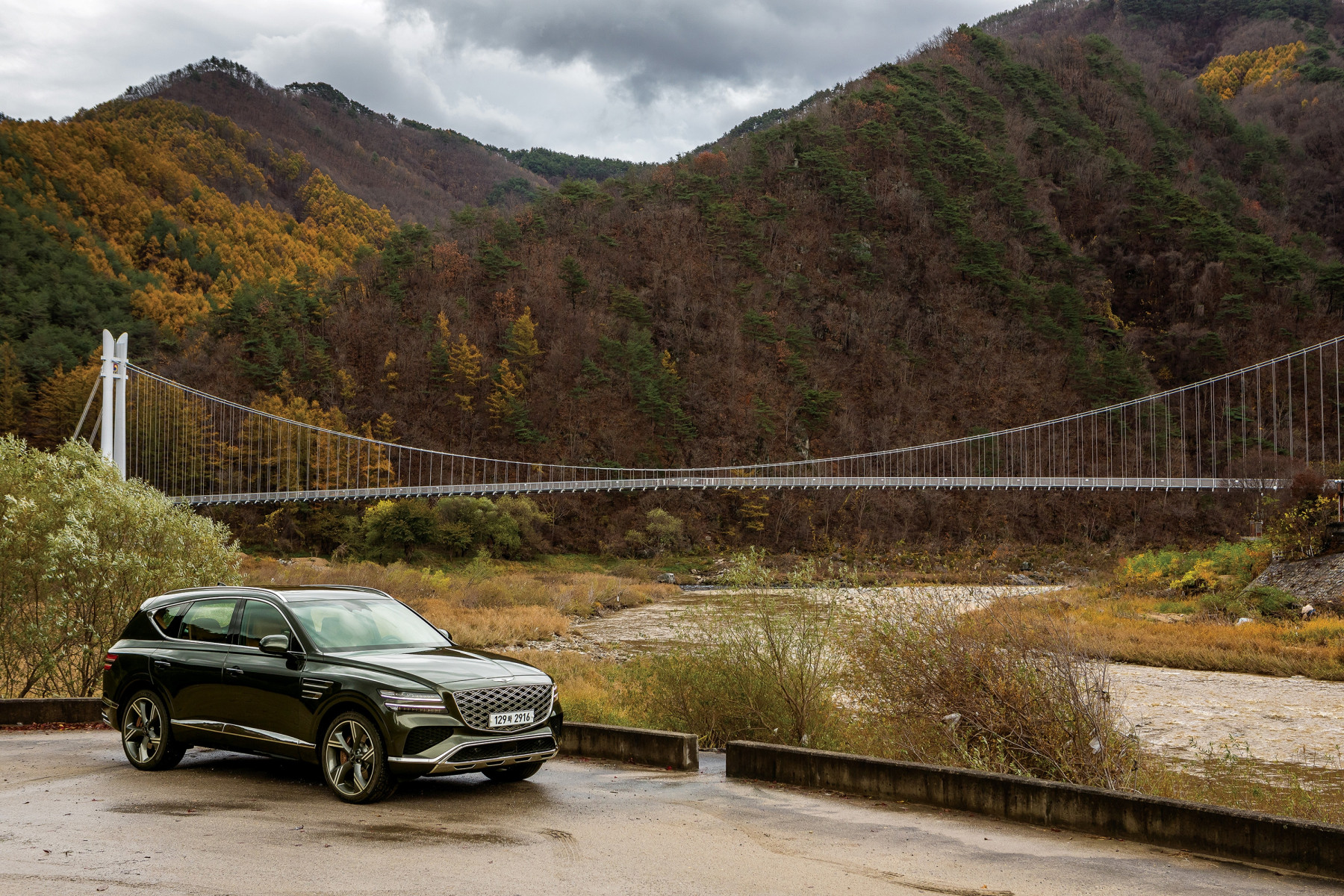
The best route to Andong is from the north along National Route 35 out of Bonghwa County in North Gyeongsang Province. Ride along with us in the Genesis GV80 as we make our way through scenic vistas drenched in autumn colors that have inspired scholars for centuries.
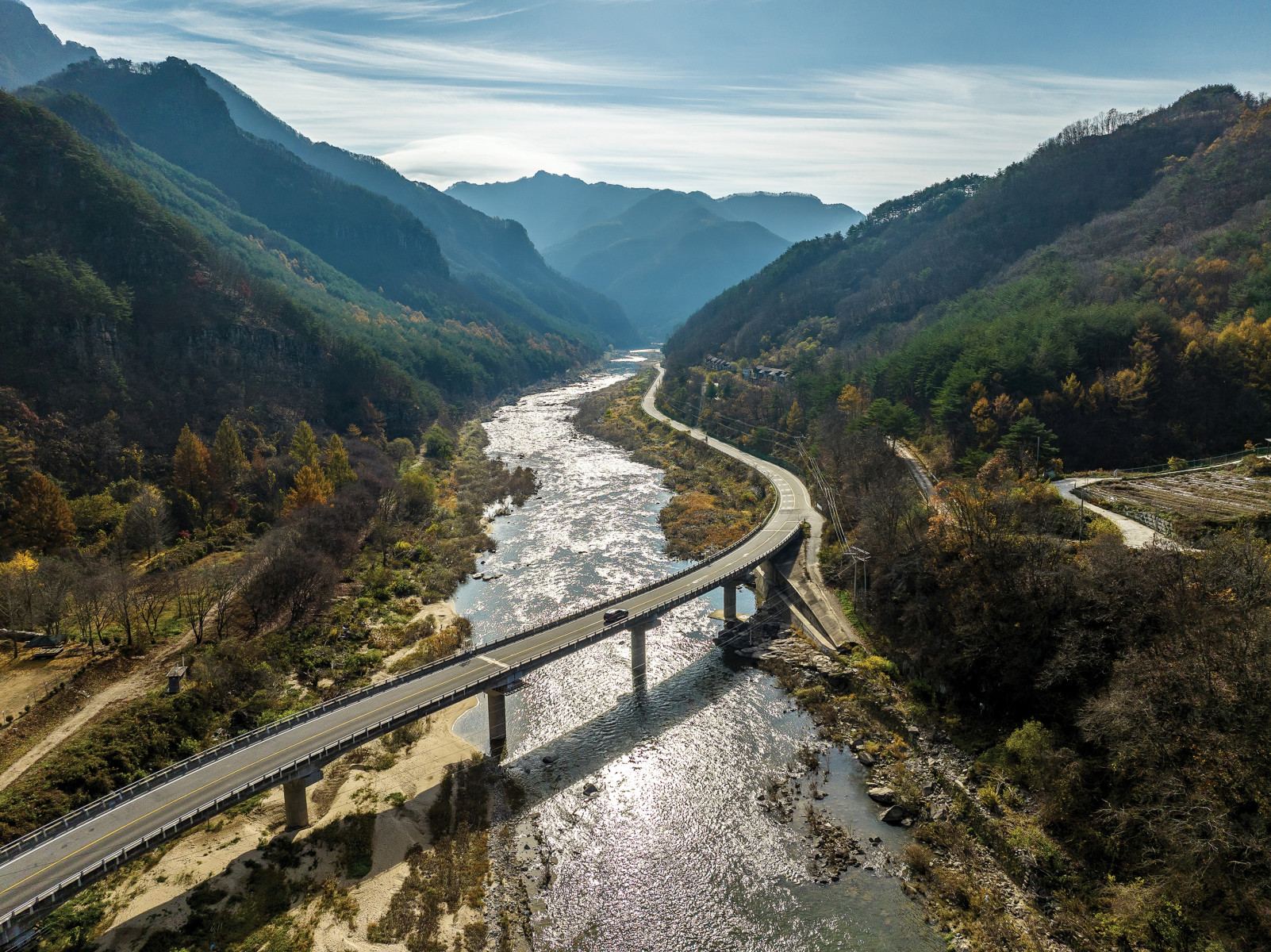
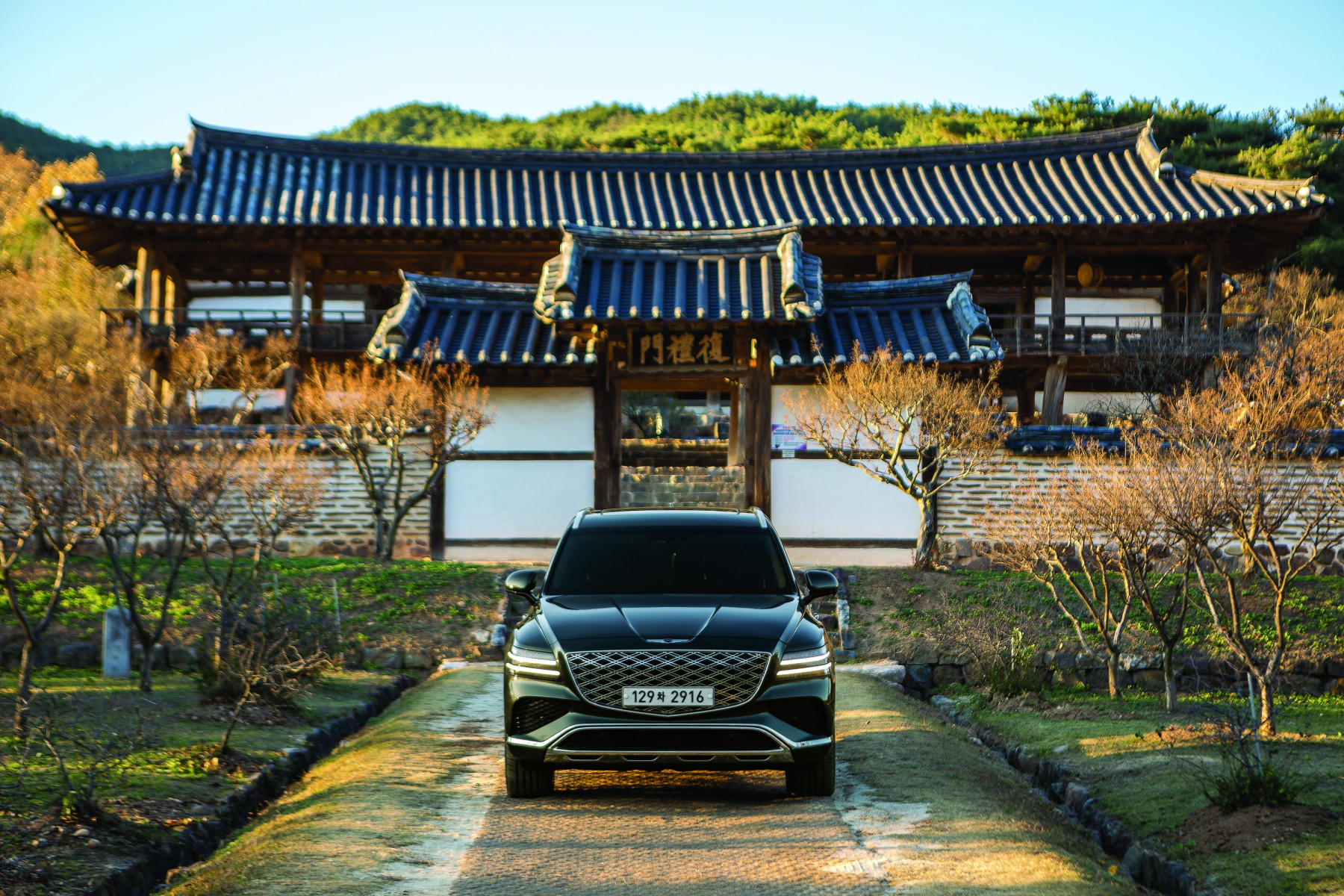
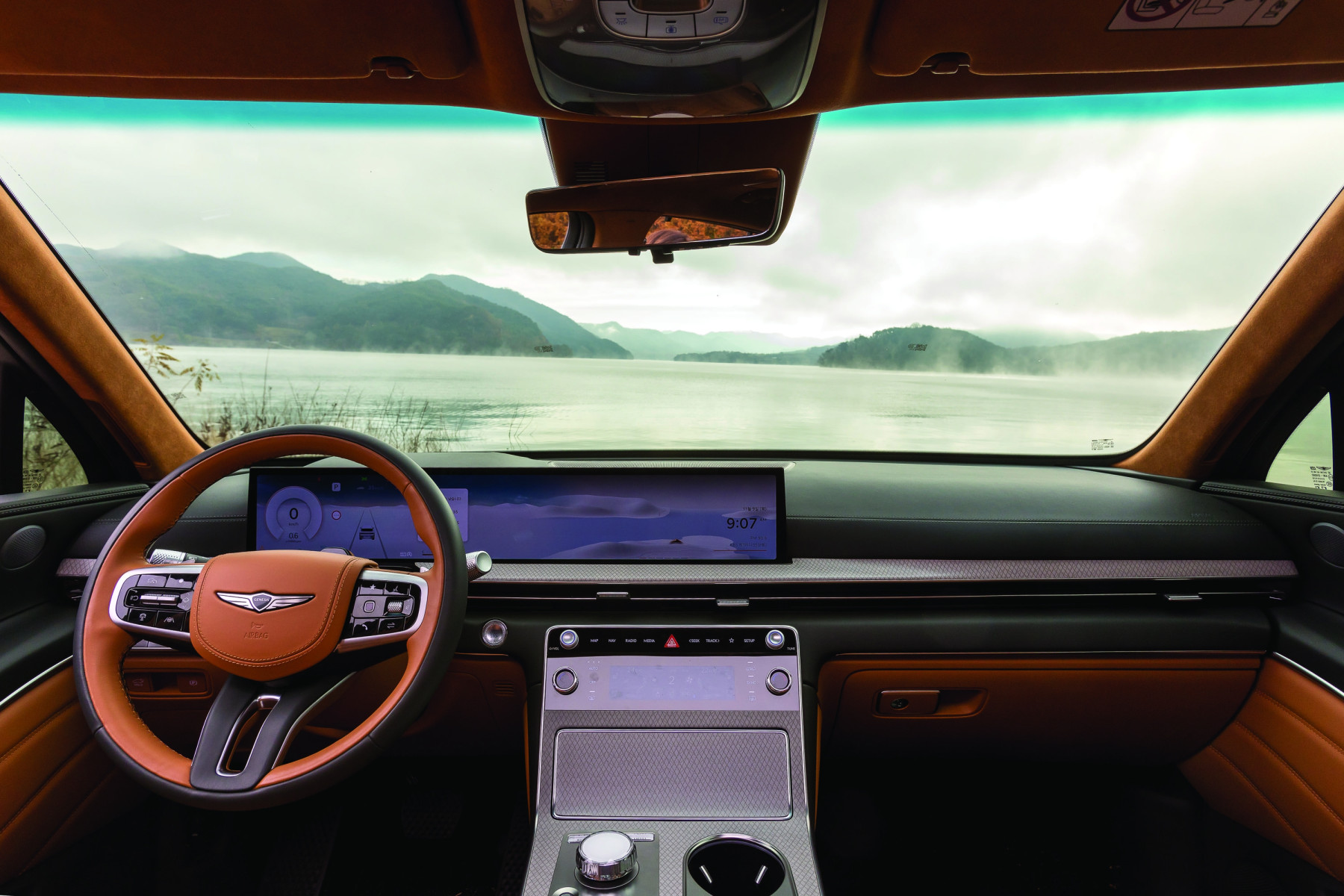
The GV80 comes with a standard 5-seater setup for everyday drives with a generous 735 liters of cargo space — perfect for traveling with family or a large group of friends. The lush interior provides luxury and comfort while touring the Korean countryside.
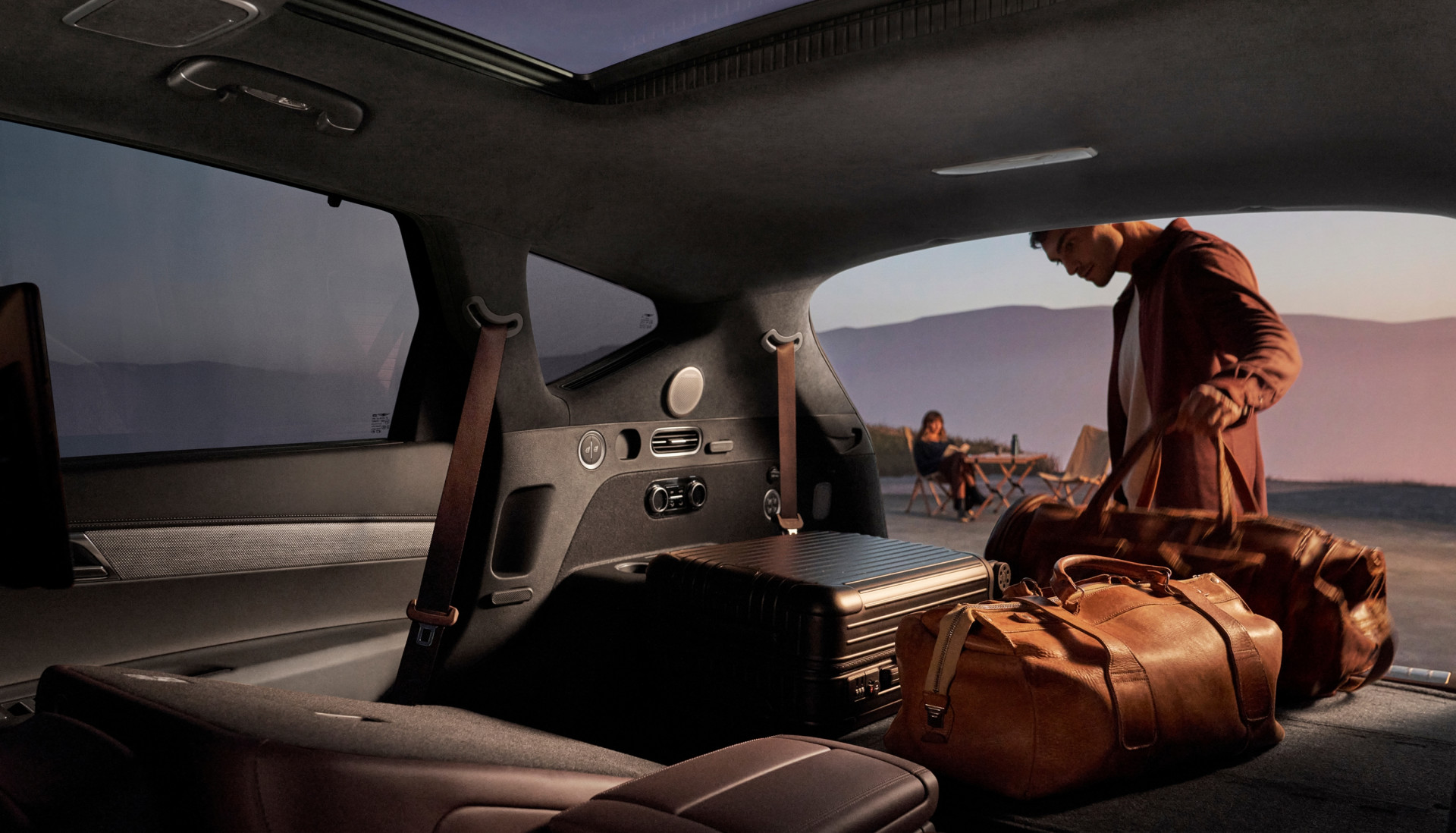
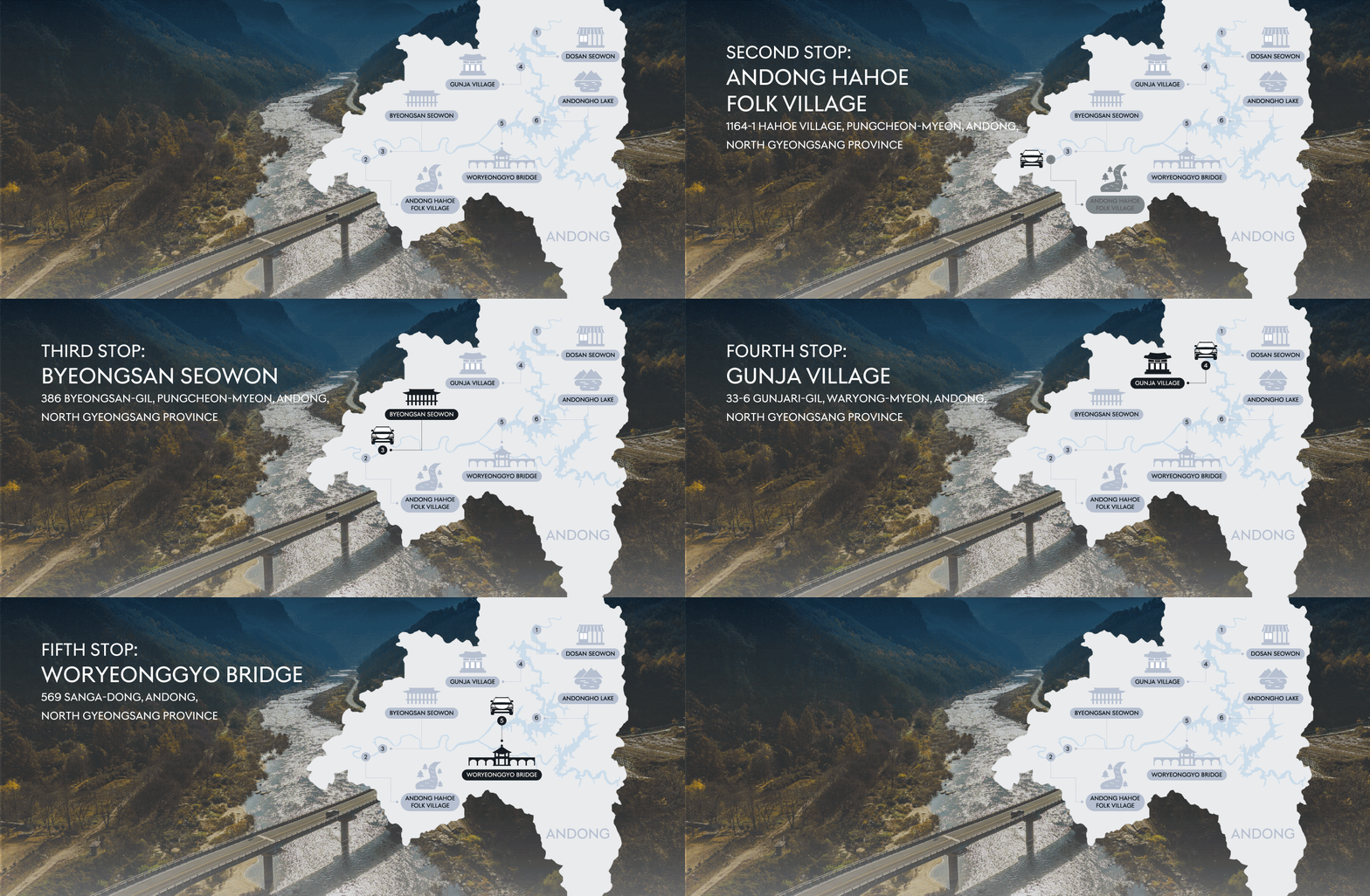
First Stop: Dosan Seowon
Location: 154 Dosanseowon-gil, Andong, North Gyeongsang Province
En route to Andong is the most recognized of Korea’s nine UNESCO World Heritage historical sites, Dosan Seowon. “Seowon” is the Korean term for a Confucian academy. An image of Dosan Seowon can be found the 1,000 won bill alongside Yi Hwang, the philosopher who built it in 1576 during the Joseon dynasty. Yi Hwang was also known by his pen name “Toegye,” meaning “Retreating Creek,” and is commonly regarded as one of the most important philosophers in Korean history.
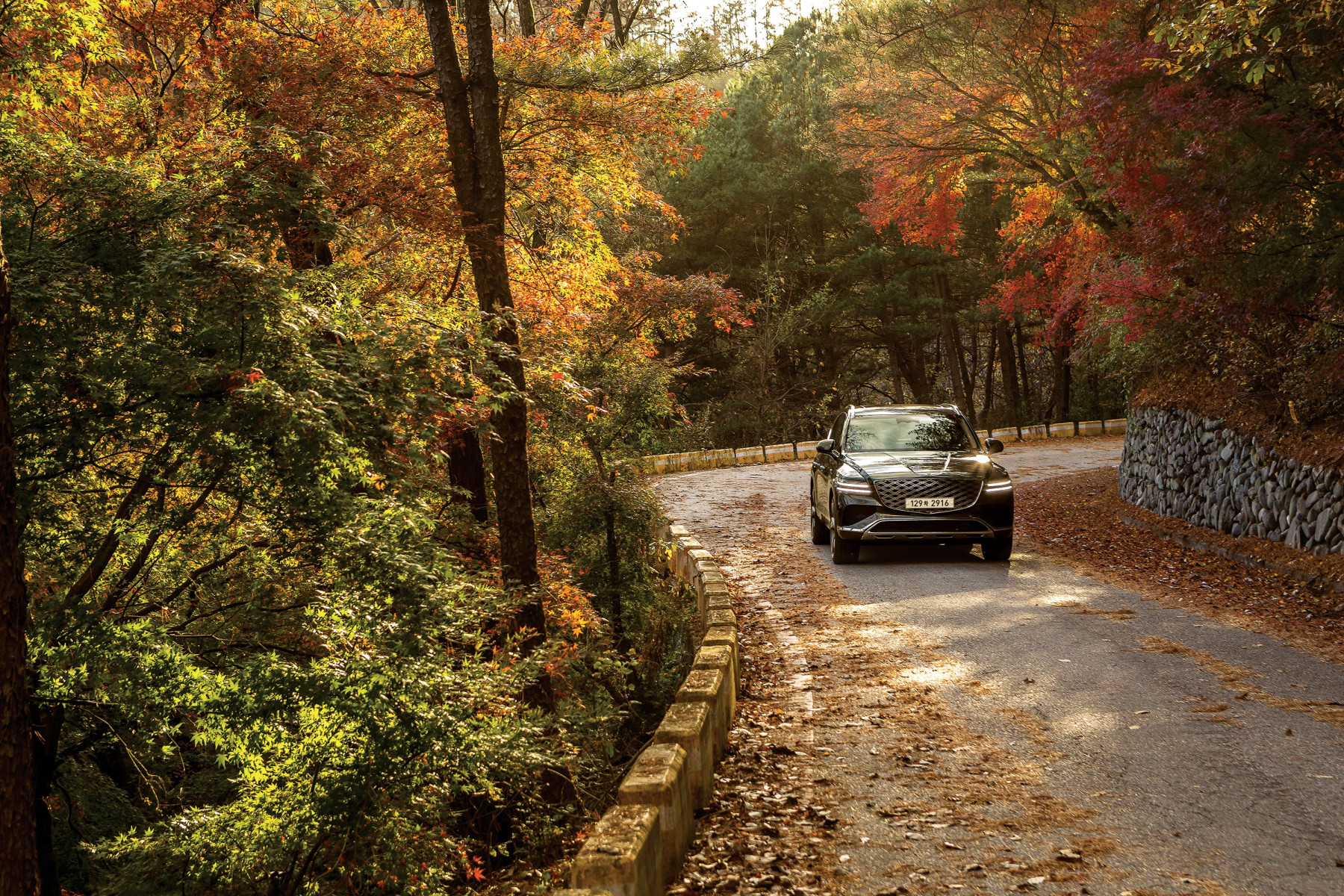
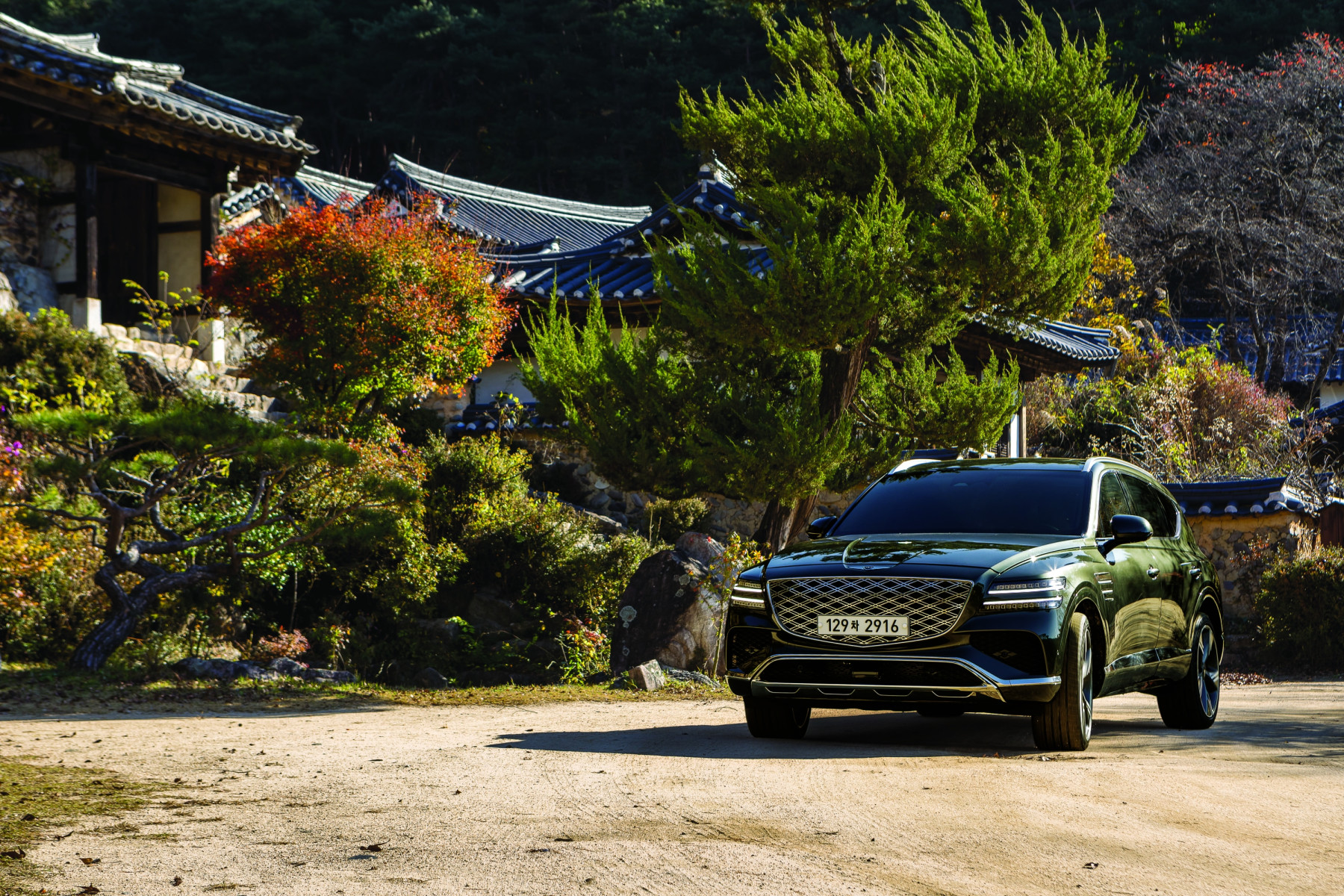
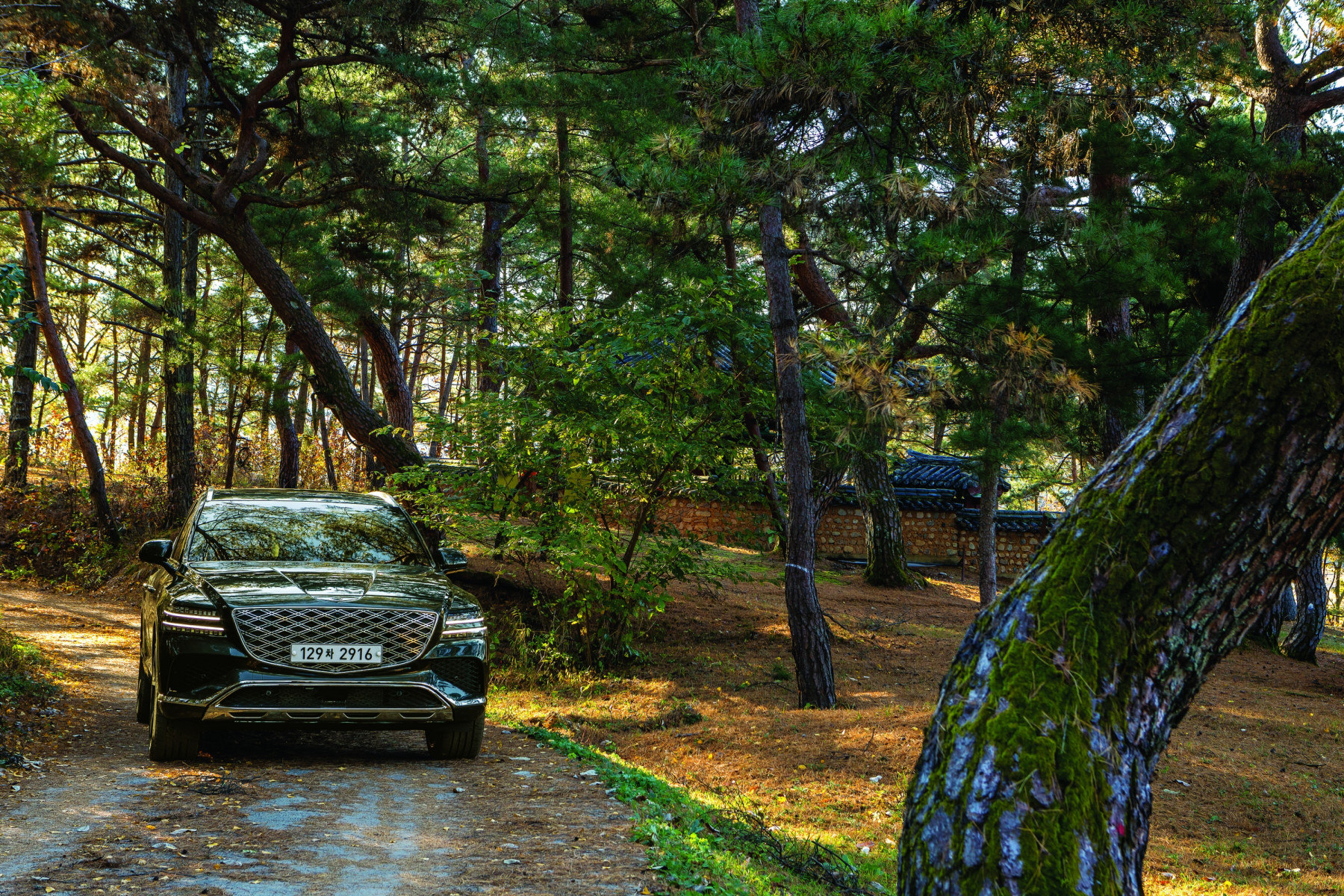
The GV80 delivers exceptional performance and handling, making it an ideal choice for navigating winding mountain roads. Equipped with the innovative Terrain Mode, the GV80 ensures stability and safety in challenging driving conditions. Its advanced Auto Mode intelligently detects road conditions and adjusts the driving force with precision to prevent wheel slippage.
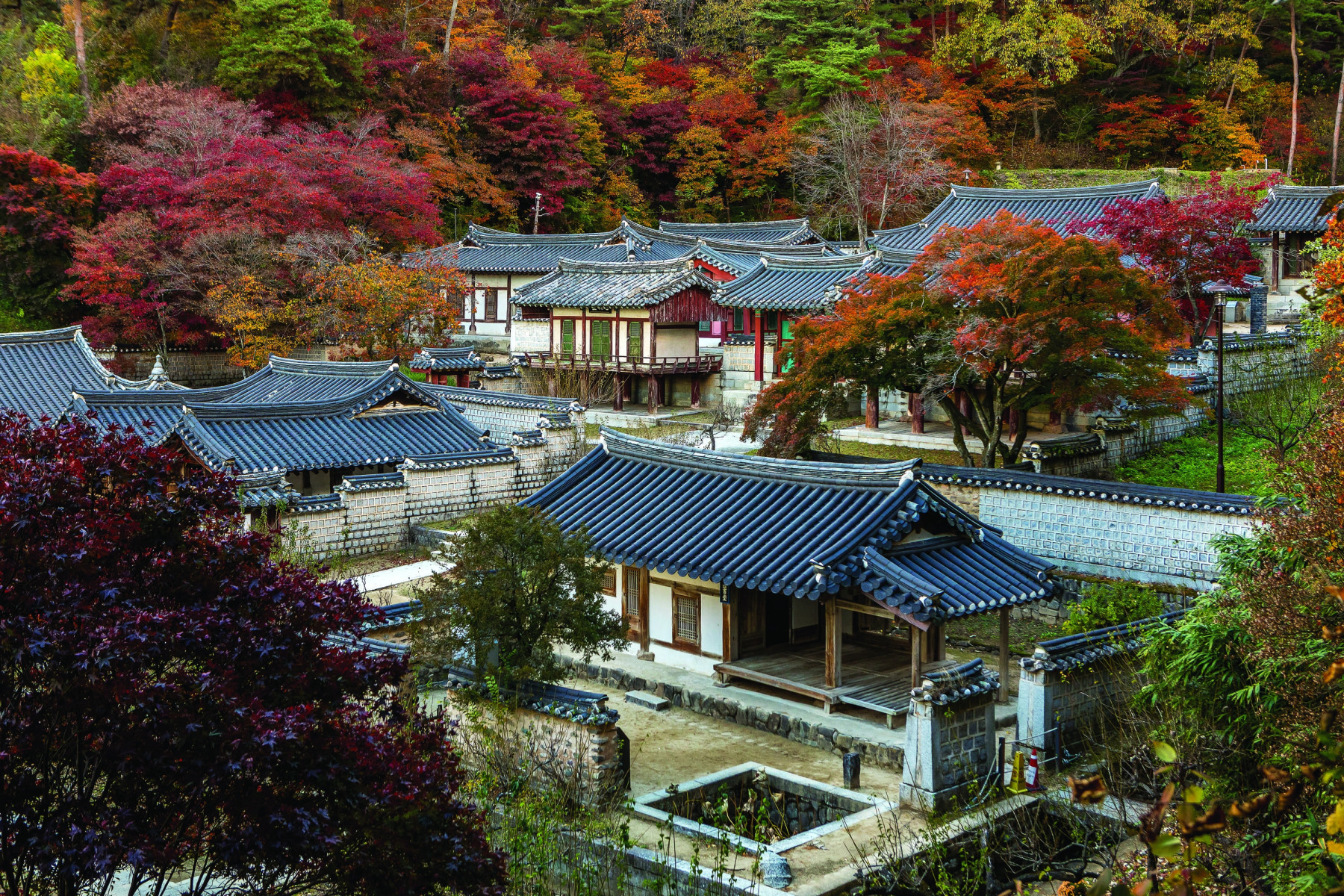
A tranquil space, Dosan Seowon is surrounded by mountains, comprising 14 buildings built to harmonize seamlessly with nature. The complex includes “Jeongyodang,” a square lotus pond, “Nongun Jeongsa,” a dormitory for students, and “Dosan Seodang,” the main lecture hall where Toegye himself taught. The lecture hall also contains a tablet with the name of the academy written on it, a gift from King Seonjo, who was a proponent of Confucianism.
Second Stop: Andong Hahoe Folk Village
Location: 1164-1 Hahoe Village, Pungcheon-myeon, Andong, North Gyeongsang Province
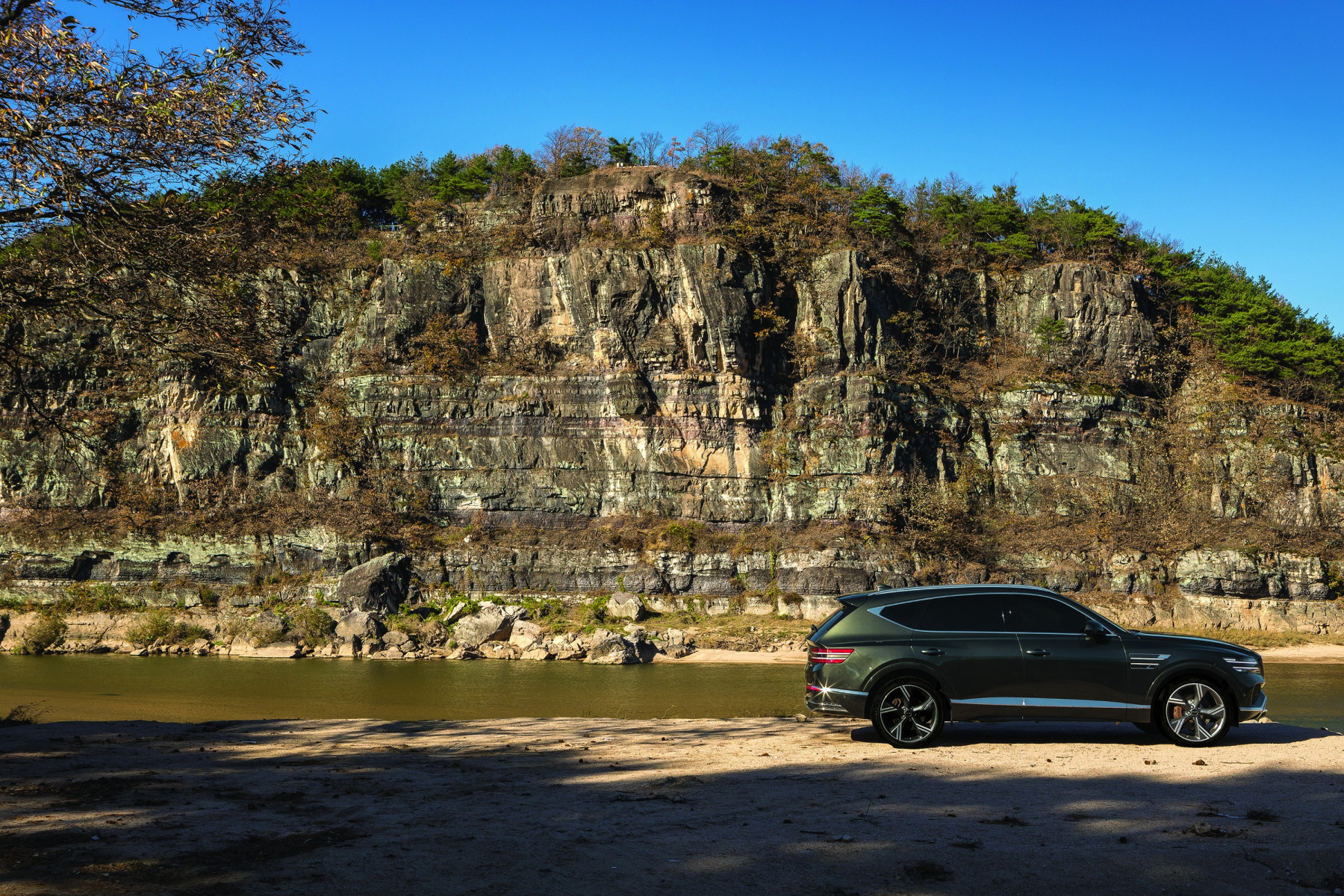
Andong Hahoe Folk Village is one of the most well-preserved historical clan villages on the Korean peninsula. Built in the 14th and 15th centuries, the location and layout of the village is said to be determined according to Confucian values to receive both physical and spiritual vigor from the surrounding landscape.
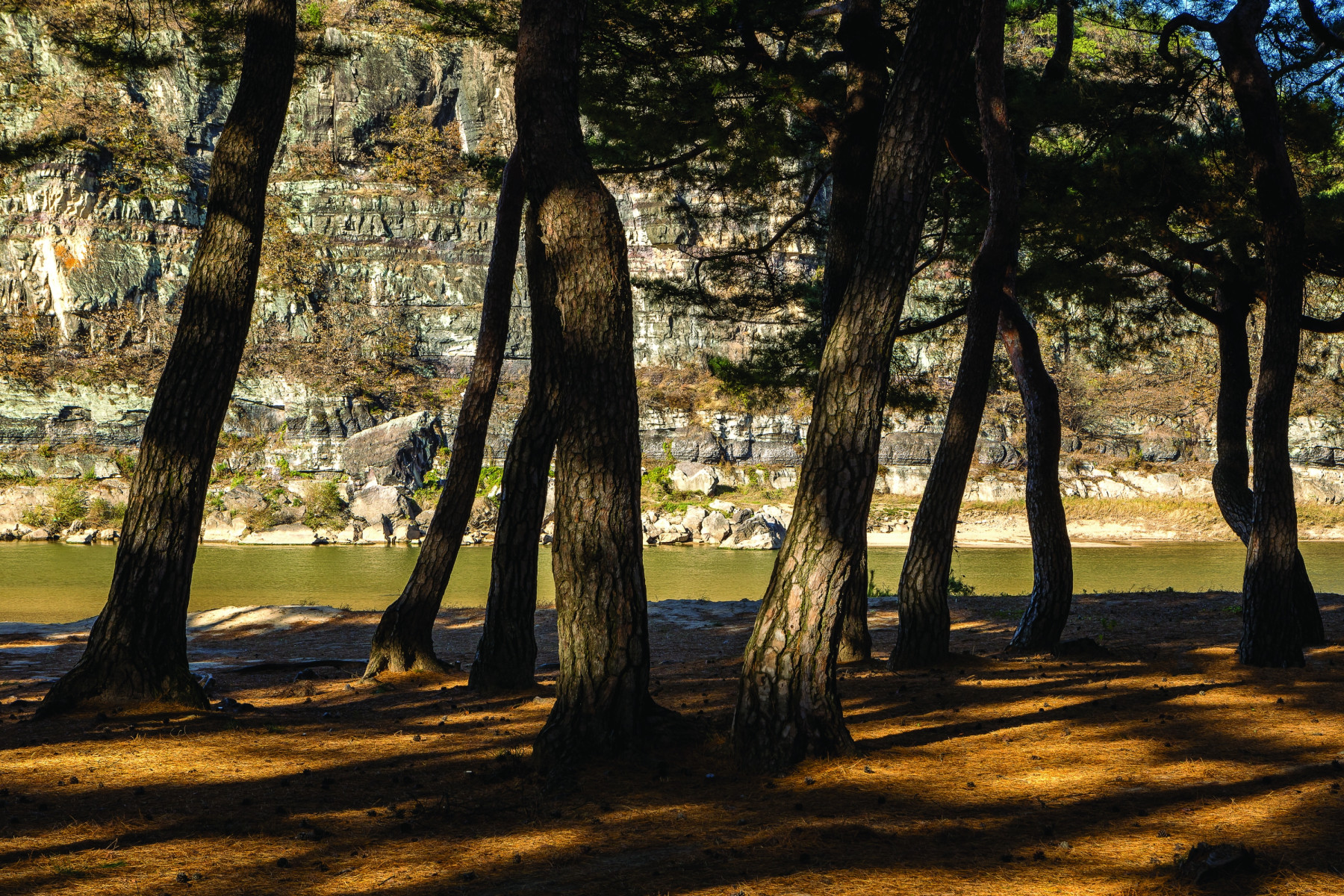
Across the river to the north is a large cliff, called Buyongdae Cliff, and to the east is a grove of trees called “Mansongjeong,” or “The Grove of Ten Thousand Pines,” specifically planted by government official Unyong Ryu during the Joseon Dynasty to serve as a windbreak for the village.
Third Stop: Byeongsan Seowon
Location: 386 Byeongsan-gil, Pungcheon-myeon, Andong, North Gyeongsang Province
Just a few kilometers upriver from Andong Hahoe Folk Village lies another renowned Confucian academy, Byeongsan Seowon. This location is famous for its intentional design as an empty space to inspire reflection and learning. It also houses about 3,000 books, including a collection written by Yu Songnyong, a noted scholar of the Joseon period.
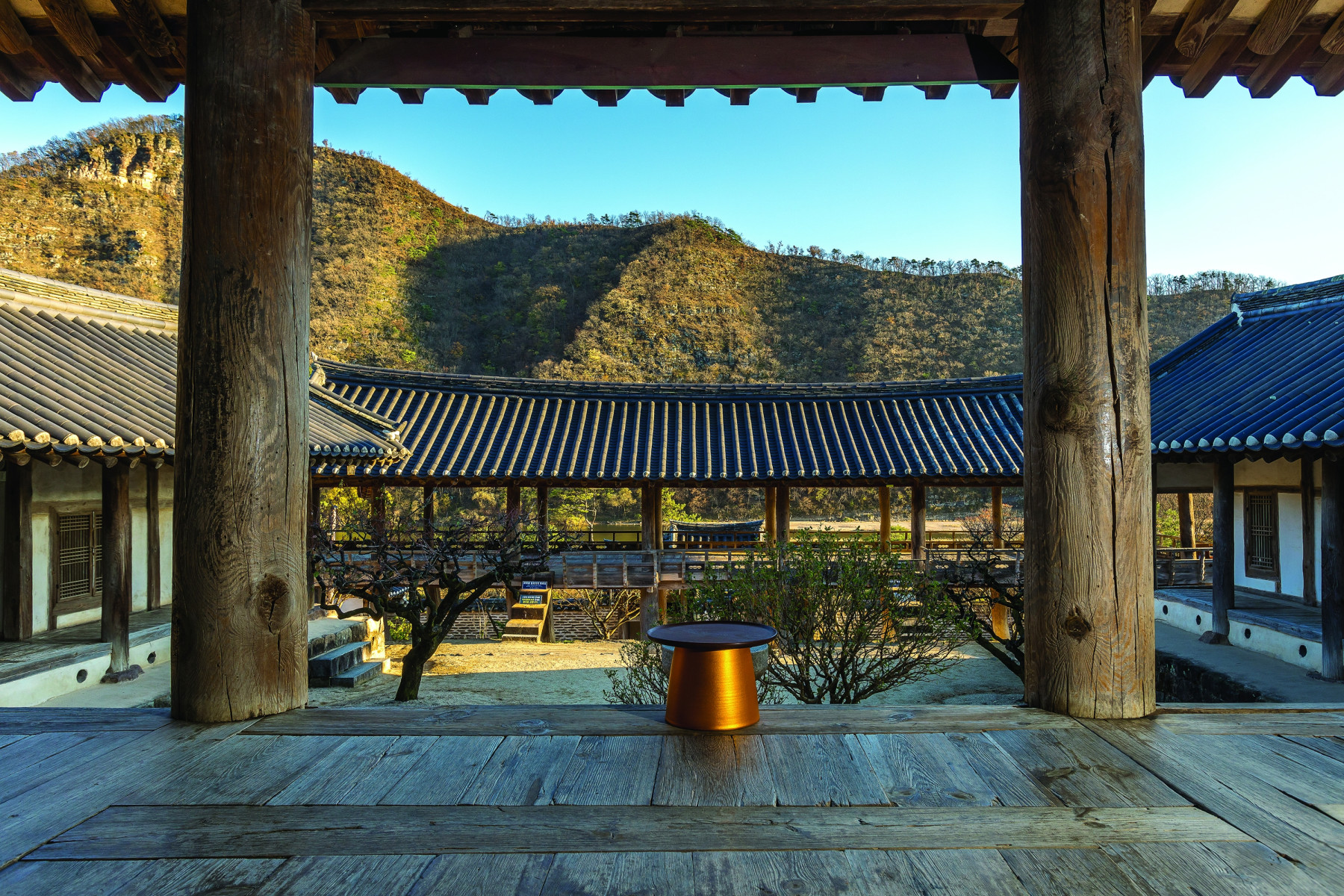
The main feature of this seowon is Mandaeru pavilion. The pavilion was designed simply, with only few pillars and a roof, to maximize the view of the surrounding natural beauty. This minimalism was intentional, as the beauty of empty space is deeply rooted in Confucian thought. Genesis practices a similar philosophy when designing the interiors of its vehicles, the “Beauty of White Space,” which emphasizes simplicity and elegance.
Fourth Stop: Gunja Village
Location: 33-6 Gunjari-gil, Waryong-myeon, Andong, North Gyeongsang Province
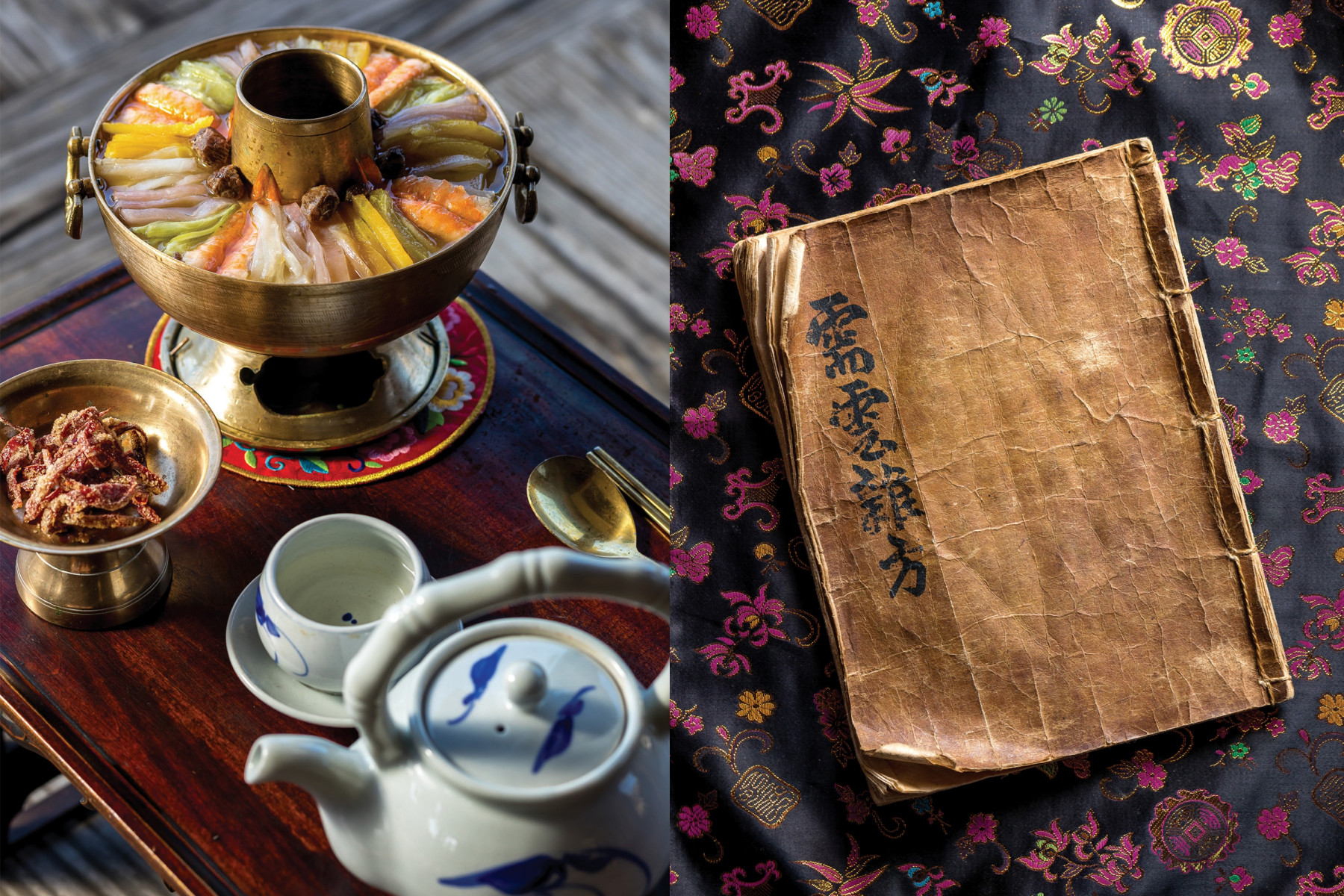
Andong preserves not just Confucian academies, but historical (and delicious) cuisine. A few kilometers north of the city is Gunja Village. It is the current home of a famous cookbook older than the nearby academies, as it was written in 1540, the early Joseon era, by the scholar Yu Kim. The name of the book, “Suunjapbang,” translates to “ways of making food fit for a man of refined taste.” This historic treasure has weathered countless challenges over the centuries to find its way to Yu Kim’s descendant, Doeun Kim, the head of Seolwoldang Hall, where she still uses the recipes today.
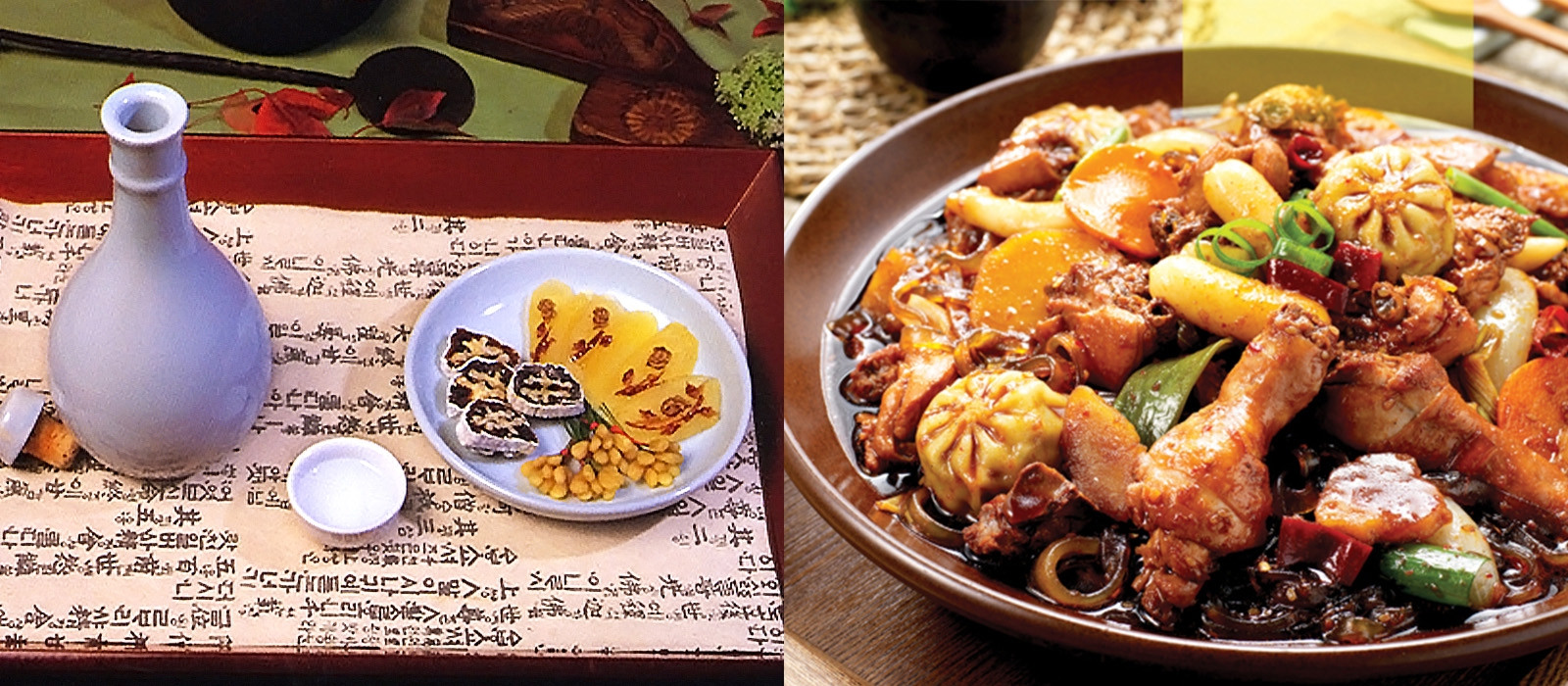
On a neatly set table in Seolwoldang Hall, dishes described in the first chapter of Suunjapbang are beautifully presented: “Samhaeju,” a traditional liquor, accompanies the vibrantly colored Three-Color Fish Egg Soup, which is the only hotpot dish in Korea made with freshwater fish. It is a mixture of sweetfish, shrimp, mung bean jelly and small rice cake balls made by coating sweetfish meat in mung bean flour. When warmed by the hotpot, these ingredients pair perfectly with the strong liquor – a comforting meal for a chilly season, soothing both body and soul.
Andong is also well-known for its own type of soju, a popular Korean liquor. Andong-style soju is a 45 percent ABV spirit distilled from wheat that originated during the Silla period. It pairs well with “jjimdak,” the region’s most famous dish: chicken, vegetable and glass noodles braised in a pan with soy sauce, garlic and chili peppers.
Fifth Stop: Woryeonggyo Bridge
Location: 569 Sanga-dong, Andong, North Gyeongsang Province
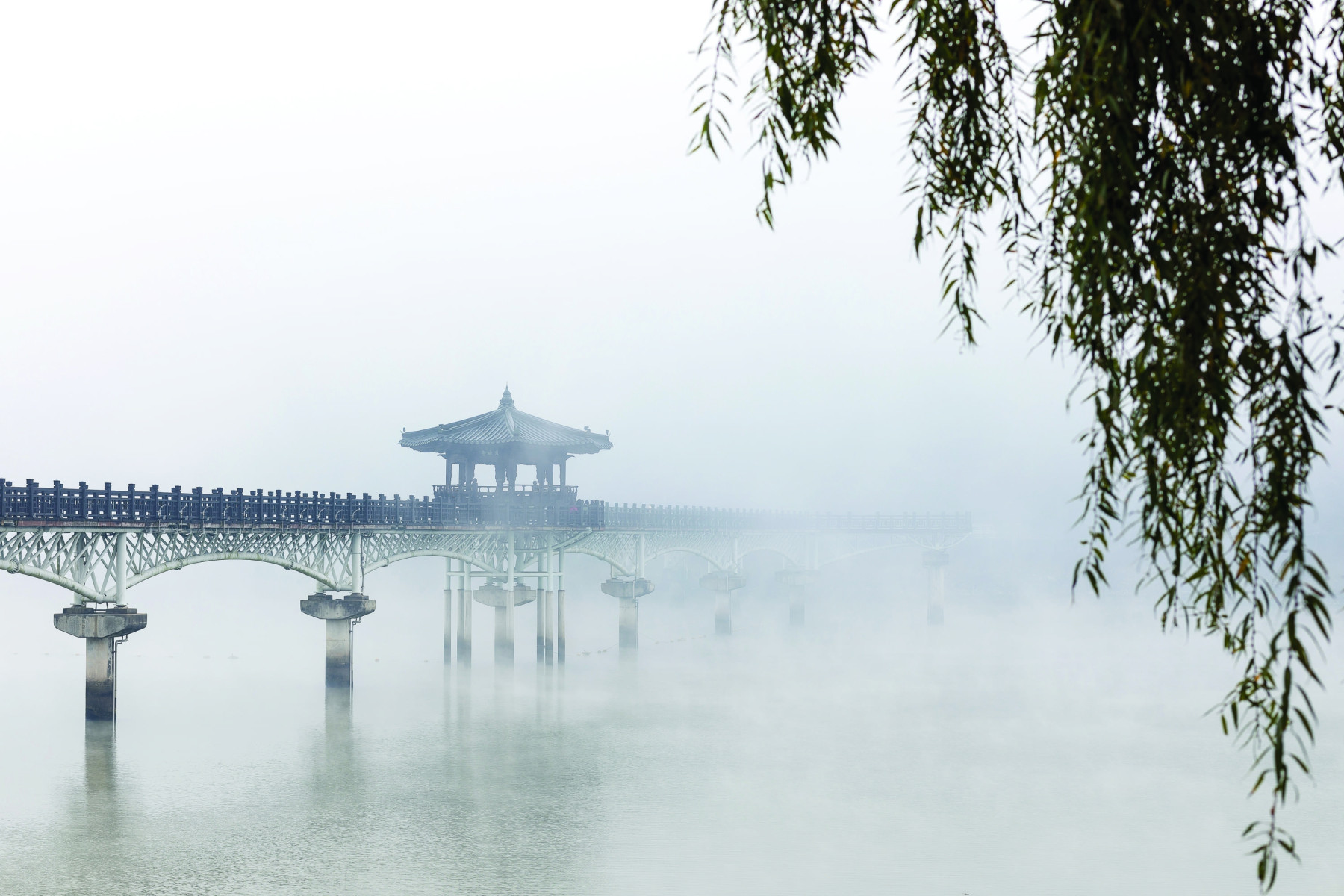
Just northeast and upriver of Andong is Woryeonggyo Bridge — arguably one of the most beautiful sights in Korea. It is the longest wooden bridge on the peninsula, stretching 387 meters. There is a pavilion at the bridge’s halfway point. During late autumn, as the temperature variations grow, early morning mist often hovers over the water. At night, the bridge is festooned with lights that dance along the lake’s surface.
Sixth Stop: Andongho Lake
Location: 437-7 Wolcheon-gil, Andong, North Gyeongsang Province
Andongho Lake is a man-made reservoir created by the construction of Andong Dam in 1976. Located east and upriver of Andong, it offers breathtaking views with the tranquil scenery of trees and mountains along its shoreline and mists that converge over the lake in late autumn mornings.
Final Stop: Musil Village
Location: Sugok-ri, Imdong-myeon, Andong, North Gyeongsang Province
The final stop on the journey is Musil Village. Situated a few kilometers east of Andong, it offers a quiet and serene oasis of tranquility.
Travelers can spend the night in a traditional hanok stay in Musil Village. The selection of traditional and contemporary hanok allow visitors to appreciate the scenic natural beauty of the secluded Musil Village, bringing them close to the beauty of the past.
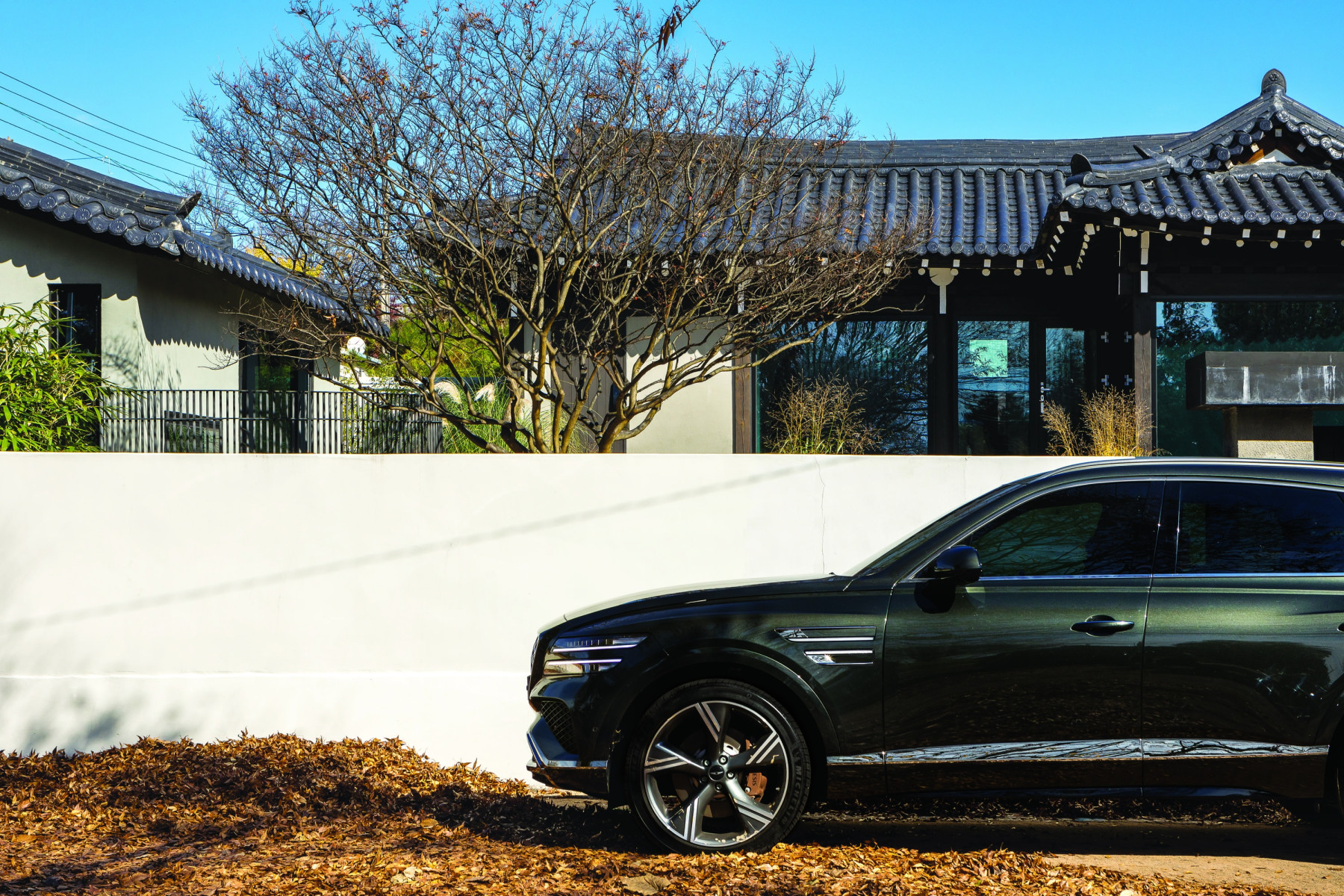
As the sun sets over Andong, the Genesis GV80 has proven itself a reliable companion and a showcase of refined luxury and comfort on the road. From winding mountain roads to tranquil lakeshores, the GV80 seamlessly blends advanced technology, cutting-edge performance and timeless design to enhance every aspect of the travel experience.
Andong’s rich history, stunning landscapes, and cultural treasures offer a profound connection to Korea’s heritage, while the GV80 ensures every mile is met with elegance and ease. This adventure is a testament to how travel, when paired with the right vehicle, becomes a journey not just through places but through time itself — effortless, memorable and deeply inspiring.