

GENESIS MAGMA RACING CHIEF ENGINEER PREPARES FOR COTA HOME RACE
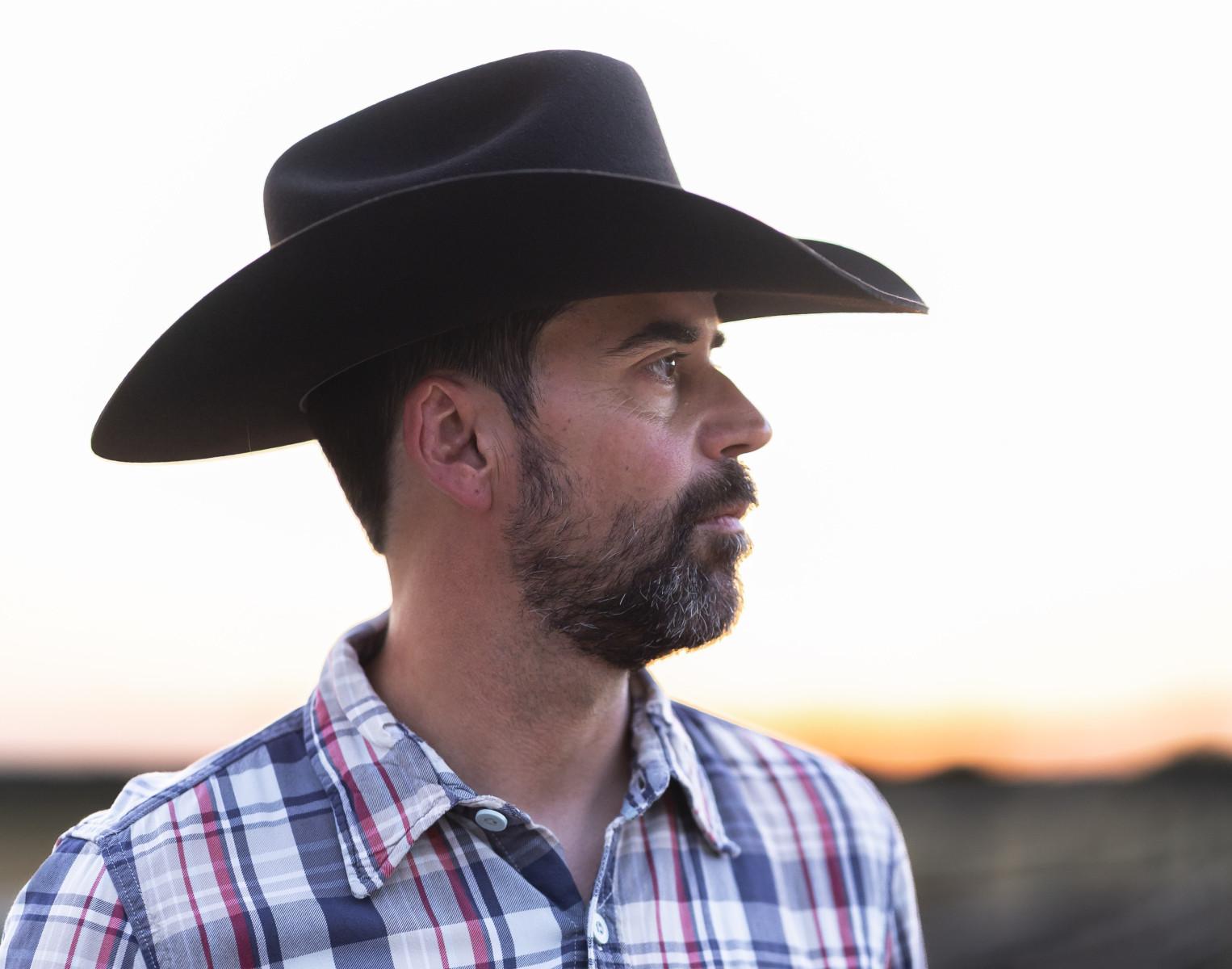
AUSTIN, Texas, Sept. 4, 2026 — As the FIA World Endurance Championship (WEC) summer break comes to a close, engine notes will soon echo across the hills of Central Texas once more. Heading into the mid-season stretch of the 2026 campaign, the global endurance racing series regathers at the Circuit of the Americas (COTA) in Austin for Round 5.
For Genesis Magma Racing, the race marks a landmark milestone as the factory program makes its official U.S. racing debut with the GMR-001 Hypercar. At the technical center of this endeavor is Chief Engineer Justin Taylor, an American race engineer returning to lead a Korean luxury brand’s high-performance motorsport effort on home soil after years of experience with European factory programs.
Back on Familiar Ground
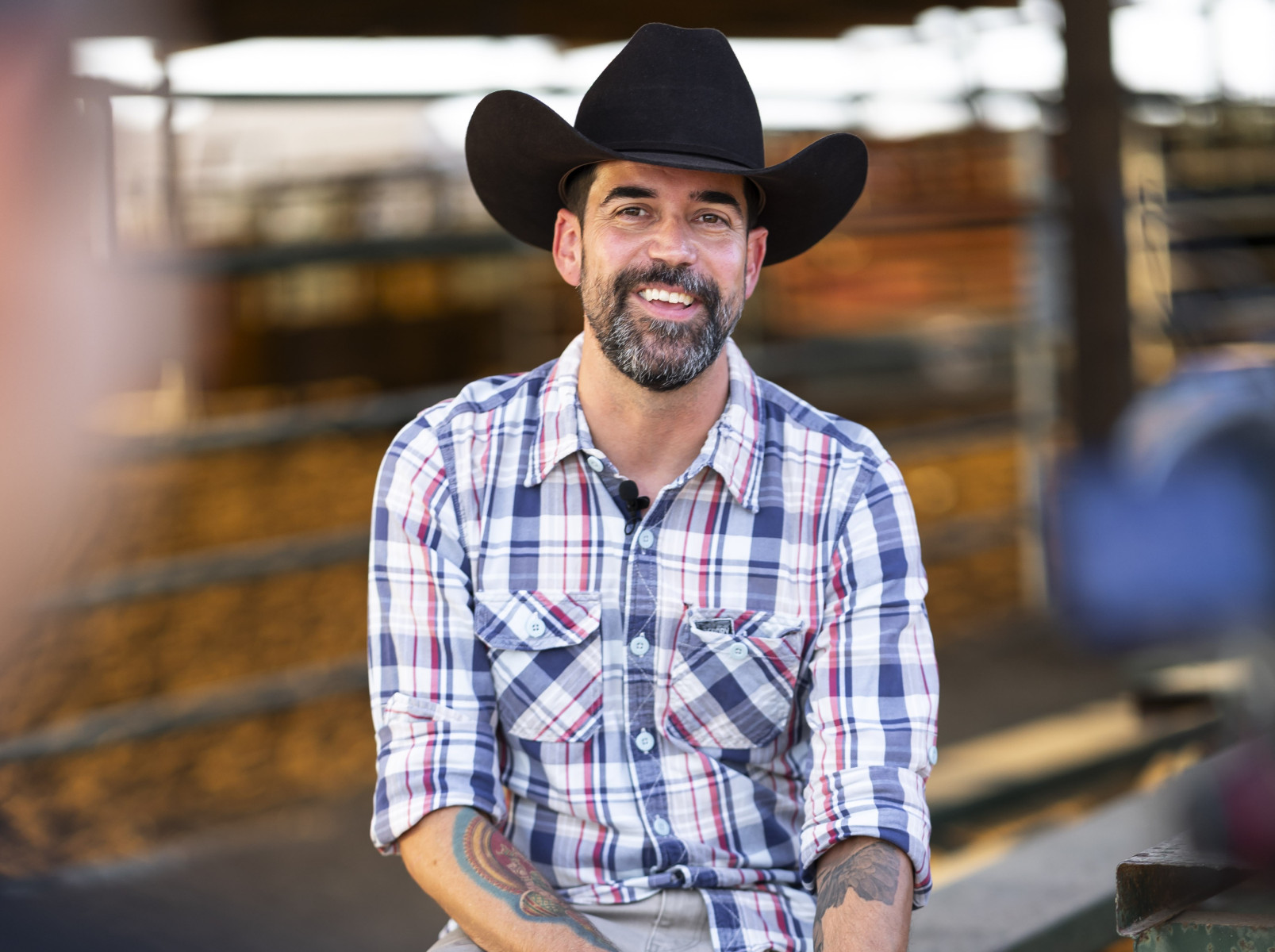
"I guess it’s no surprise that I feel at home when racing in Austin. Most of my family was born and raised in Texas and I still have a lot of family spread around the state. It will certainly be nice to have some of them there in person to support Genesis Magma Racing’s first race in the USA," says Taylor.
Having spent much of his career working in Europe with elite programs including Ferrari, Audi, and Cadillac, racing on American soil offers a unique mix of pride and perspective.
"The WEC races in the U.S. always are more special for me personally. I’ve spent most of my career being the only American in mostly European teams, so it’s always nice to have a chance to show off where I come from and get to share the excitement of the colleagues who are experiencing the USA for the first time.
“Professionally, I’m returning with more responsibility than ever before which adds some pressure but I’m excited to see how we’ve done with our homework over the summer break," he explains.
That connection to home is made even stronger by the presence of his family trackside during the Austin race weekend. His father played a fundamental role in introducing him to the sport, making his attendance at COTA particularly meaningful.
"My father was the one who ignited my interest in motorsport when I was younger and he comes to see as many races as he can. This race is no exception and it’s really comforting to know I’ll have his support and advice close by on race day," Taylor notes.
GMR-001 Hypercar Development Progress
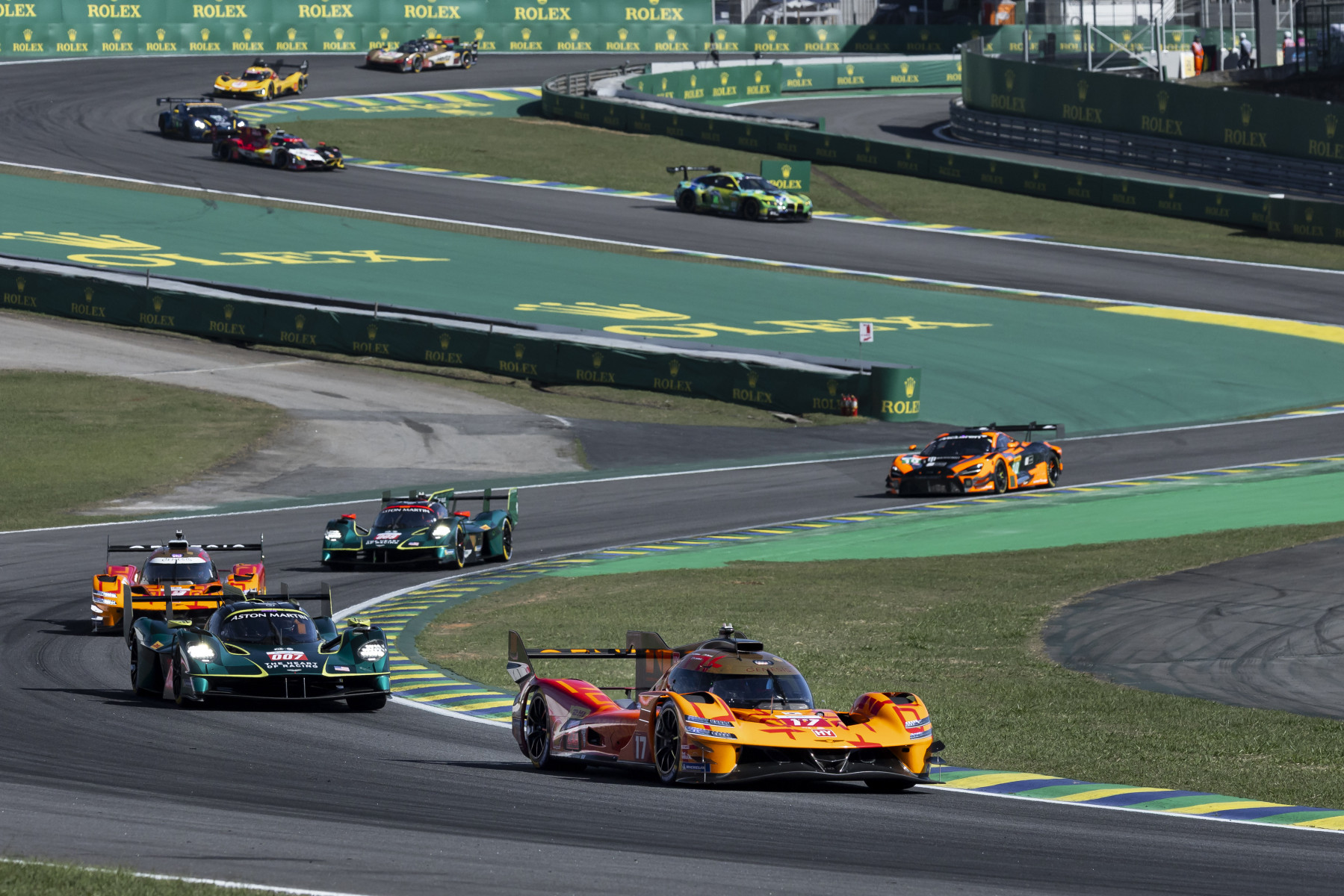
The 2026 FIA WEC season has already tested Genesis Magma Racing through an intense debut. From the GMR-001 Hypercar’s competitive first outing at Imola in April through subsequent rounds at Spa-Francorchamps, the 24 Hours of Le Mans, and São Paulo, the team has navigated a steep learning curve in real-world race conditions.
Transitioning from private testing to dense multi-class WEC traffic presented immediate engineering hurdles.
"Through our development, we didn’t get to drive with race traffic or other Hypercars. So, when we first followed other cars in Imola, the car was behaving differently and we’ve had to learn how to adapt," Taylor shares.
Each race weekend in the first half of the season provided essential data and operational growth. While finishing the 24 Hours of Le Mans demonstrated vehicle endurance, the team’s biggest leap forward occurred in Brazil.
"Of course finishing Le Mans with one of the cars felt like a partial validation of the hard work. But the #17 failure left a lingering feeling of disappointment. So, I’d say it’s São Paolo where we made the biggest step with the car. We saw good performance in qualifying, decent race pace and most importantly — both cars stayed clear of the garage," Taylor reflects.
Refining Performance
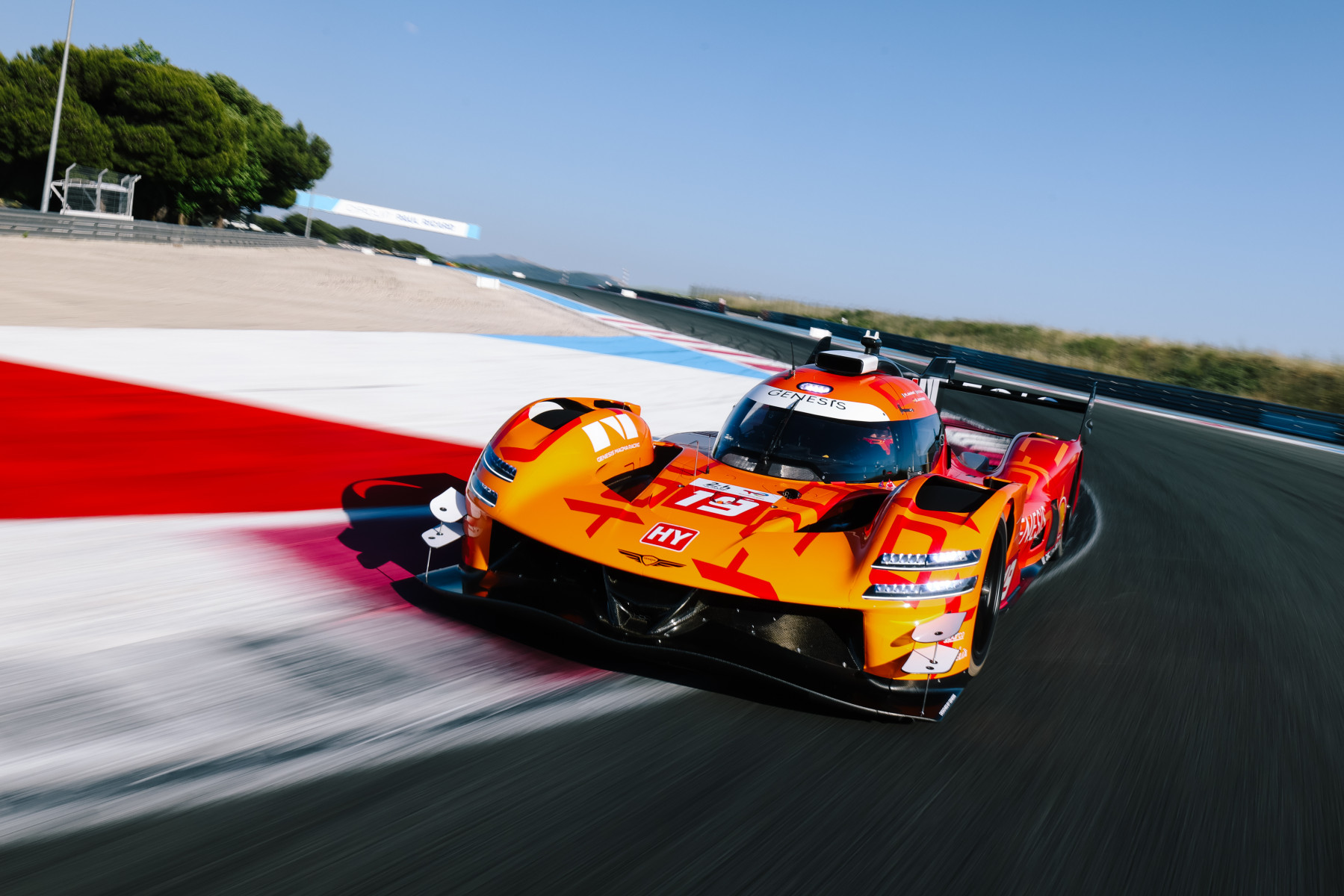
As the GMR-001 Hypercar continues to evolve, its baseline strengths and developmental focus areas have become clearly defined on track.
"The GMR-001 Hypercar is good at high-speed cornering but it’s the low-speed areas where we are looking for improvements," says Taylor.
During the mid-season summer shutdown, the engineering team focused on refining systems rather than introducing major physical bodywork changes.
"We’ve been able to put more work into our software robustness to electrical problems and refine our energy saving methods to be more efficient. There are no specific part upgrades being brought to COTA," he explains.
Mastering the Circuit of the Americas
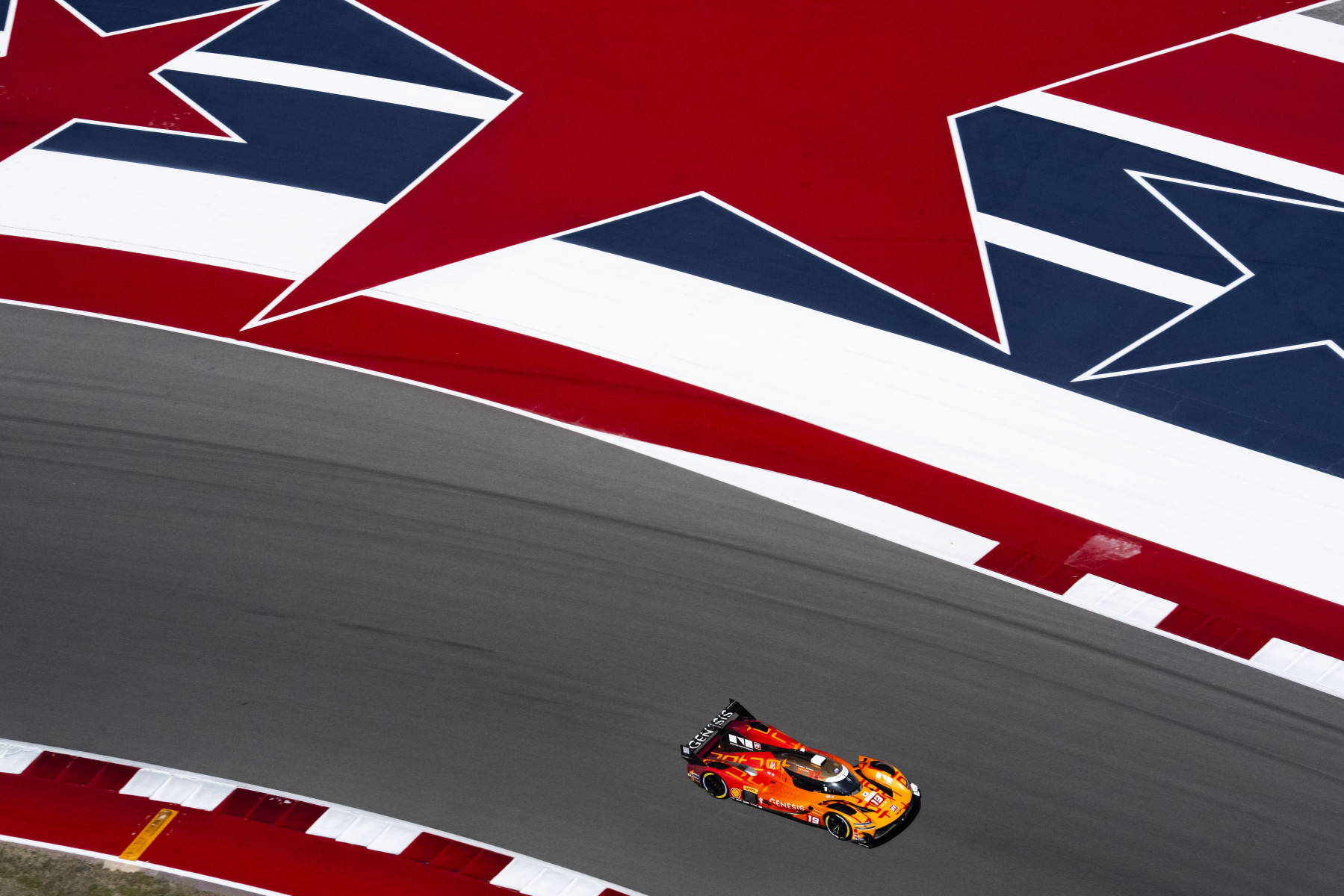
Navigating the 5.514-kilometer Circuit of the Americas requires balancing distinct physical and thermal demands. The track’s character places intense stress on mechanical components, tires, and human performance alike.
"The COTA track is quite bumpy, and the weather is normally somewhere between hot and hotter. The bumps are not completely unfamiliar, thanks to Imola, but the heat is on another level compared to what we’ve experienced so far. Because of this we’ll need to manage everything carefully — from the brakes and engine temps, to the condition of the drivers, engineers and mechanics," Taylor emphasizes.
COTA’s complex layout tests every aspect of the GMR-001’s performance envelope, particularly in the lower-speed sectors and high-wear turn sequences.
"Sector 3 is tough due to the low-speed corners where we can’t use our strong aerodynamic characteristics. The triple right is also in Sector 3 and though it’s a medium speed corner, it’s a tire killer so we’ll need to consider our pace here if we want the rubber to last," Taylor details.
The intense heat of Texas also alters tire strategy significantly.
"The heat is a huge factor and it affects the tires in a big way. Due to this heat, it will be the first WEC race of 2026 where the Hard tire is in the allocation, so learning how and when to use them will be critical," he adds.
Turning Issues into Opportunities
As Chief Engineer, Taylor balances wide-ranging technical and organizational responsibilities across both race cars.
"My main responsibility is to ensure that all the engineers have the tools, information, resources and support to do their jobs. I’m also ensuring that both cars and crews are working as a team to extract the maximum information from the practice sessions so we can use it to optimize our performance in qualifying and race," Taylor says.
He also emphasizes leveraging the diverse background of the driver lineup.
"The Genesis drivers bring a wide array of experience to the team which is a big advantage for us. I try to never miss an opportunity to use their experience to help us through a situation we’ve not faced together," he shares.
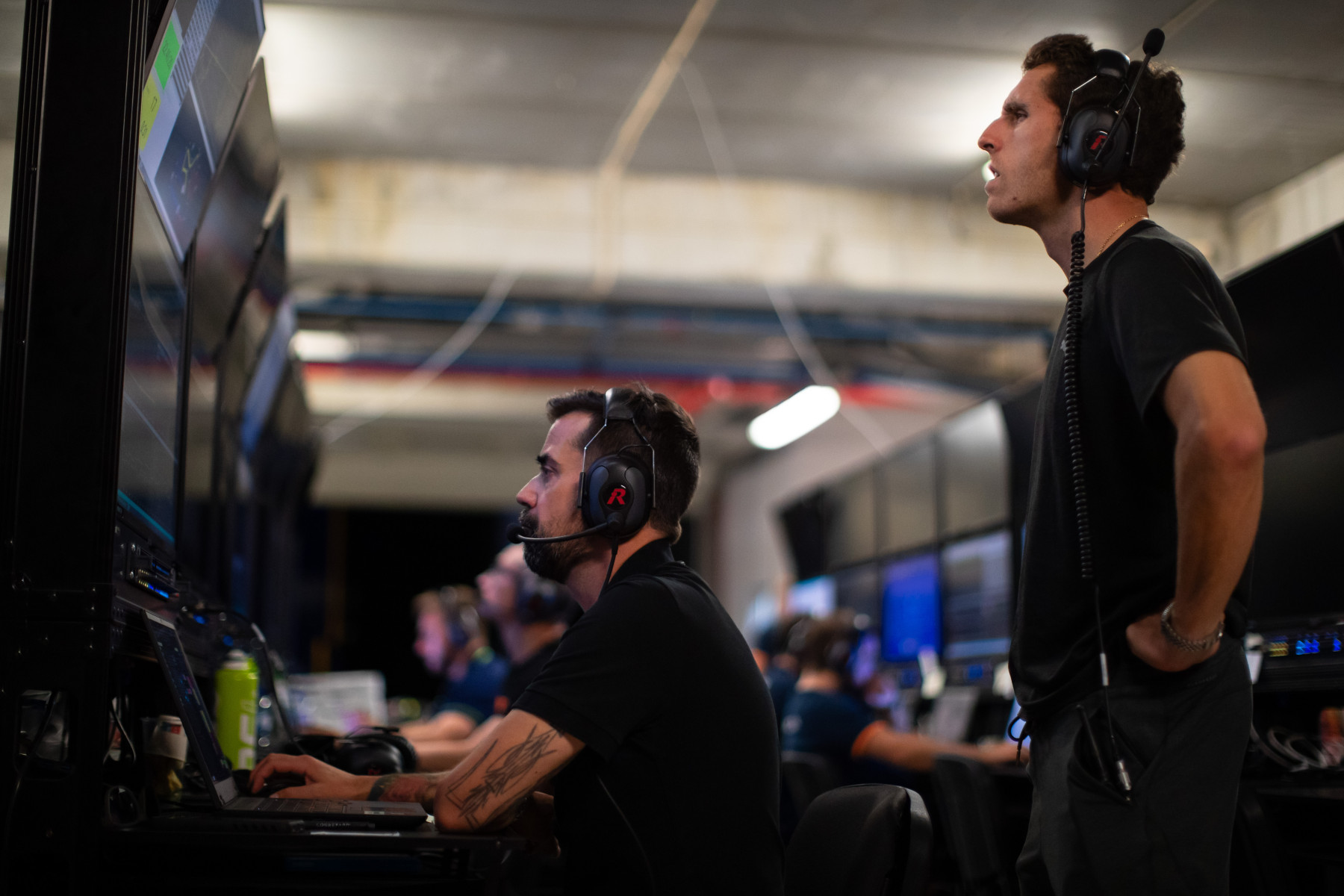
Building Genesis Magma Racing from the ground up required establishing a supportive, problem-solving mindset early in the program.
"The first months — and even a few after — were very difficult and not everything worked as we hoped. Through this period, we stuck together and now we’ve evolved into a culture that views problems and issues as opportunities," Taylor explains.
Maintaining high morale over a grueling debut demands a structured approach to adversity.
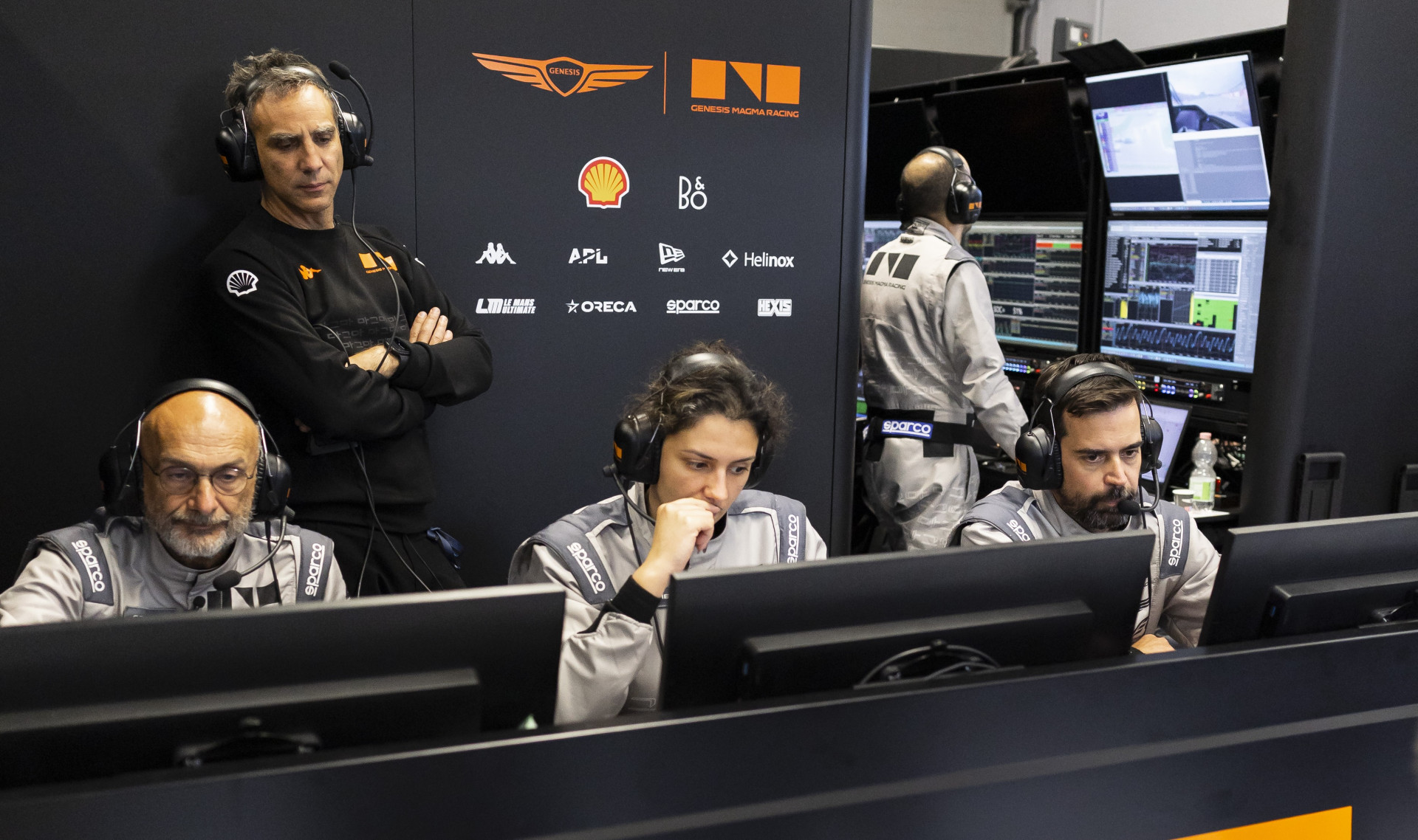
"If you try to do anything that’s difficult, you’ll encounter failures on some level. Nobody joined the team thinking it would be easy, that’s first. Accompanying this fact, we have a strict ‘no finger pointing’ rule. We actively choose to view failures as chances to improve and we make sure to highlight successes big and small," he adds.
COTA Success and Beyond
Heading into the race weekend, Taylor’s target for the team is straightforward: "Both cars finishing inside the top 10."
Beyond immediate race results, competing on American soil offers Genesis a vital opportunity to highlight its high-performance aspirations in a key market.
"If you spend a few minutes driving in the U.S. you’ll see quite a few Genesis cars so it’s clear Americans are familiar with the brand’s quality, luxury and value. We hope to show there is also a strong performance side that’s only getting stronger," says Taylor.
As Justin Taylor takes his place on the COTA pit wall surrounded by family, colleagues, and American fans, his leadership within Genesis Magma Racing stands as a compelling testament to passion and dedication in modern motorsport.
"Motorsport is for everyone and if you look in our team or around the paddock, you’ll see people with various backgrounds, countries and ethnicities. It doesn’t matter where you’re from. The only things needed to succeed in motorsport are passion and a willingness to work hard," Taylor concludes.