

SYMPHONY OF SILENCE: GENESIS' NVH TECH ELEVATES SERENITY BEHIND THE WHEEL
SEOUL, Aug. 28, 2025 — Hyundai Motor Group (the Group) is constantly pushing the boundaries to elevate the driving experience in electric vehicles (EVs), refining the sensory and emotional connection between driver and machine. Leveraging cutting-edge facilities such as anechoic chambers that eliminate environmental interference and advanced virtual testing environments, the Group is focused on perfecting how EVs feel, sound and resonate with drivers.
By prioritizing research in noise, vibration and harshness (NVH) technology, the Group ensures its vehicles deliver more than just a quiet ride — they create a space of unparalleled comfort and sophistication. Genesis is harnessing these learnings to pursue a more tranquil acoustic environment.
Genesis has built a strong reputation for delivering exceptional customer satisfaction, earning recognition from J.D. Power in multiple categories for eight consecutive years. At the heart of this achievement is the brand’s unwavering commitment to prioritizing its customers’ needs, offering intuitive technologies designed to enhance every aspect of the driving experience. This dedication stems from Genesis’ pursuit of crafting emotionally resonant and memorable journeys.
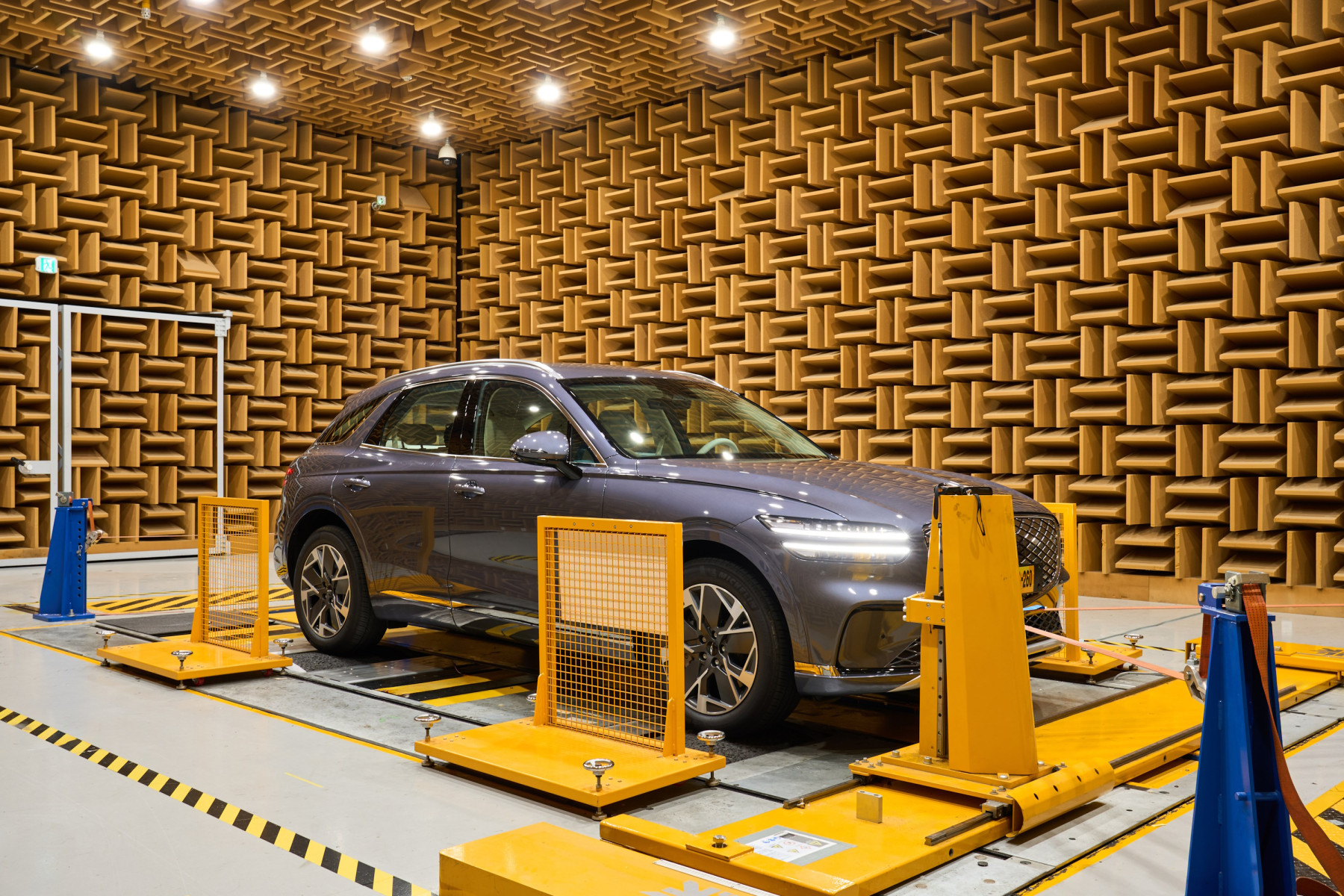
And for EV customers, a key factor that plays into creating a memorable ride is based on how quiet and comfortable the journey is. To meet this demand, the Namyang R&D Center conducts rigorous testing with a focus on achieving superior quality and refinement. Facilities such as the Road Noise Testing Lab and the Immersive Sound Studio reflect this effort, enabling the researchers to study, control and optimize noise and vibration.
Road Noise Testing Lab: Where Tire Noise and Vibration are Reduced
In the Road Noise Testing Lab, NVH performance — essential to the development of every new Genesis vehicle — is meticulously assessed to ensure superior quality and refinement. By simulating road-induced vibrations caused by surface irregularities, the lab allows researchers to evaluate and minimize the resulting interior noise under controlled conditions. Spanning 10 by 14 meters, the lab is lined with advanced sound-absorbing materials to eliminate echoes and ensure precise testing. At its core is a chassis dynamometer installed beneath the floor, enabling vehicles to be operated in a stationary test environment. The dynamometer’s rollers, which are in direct contact with the tires, are coated with surface patches that replicate real-world road textures. This setup allows Genesis to simulate a variety of driving conditions with remarkable accuracy.
Road noise is an unavoidable aspect of driving, stemming primarily from the friction and vibrations generated between the tires and the road surface. The nature and intensity of this noise can vary significantly depending on the road conditions. Even with identical tires, differences in road surface friction and load characteristics can dramatically affect the vibrational forces produced by the tires. These vibrations are transmitted through the suspension system and into the vehicle’s body, where they can potentially amplify into audible noise within the cabin. Understanding and controlling these dynamics is a critical focus area for Genesis.
Replicating Real-World Road Conditions
Accurately measuring and analyzing road noise, which changes based on varying road surface conditions, requires testing across diverse environments. While real-world road testing is often limited by uncontrollable factors like location and weather, the Road Noise Testing Lab provides a controlled indoor setting where consistent conditions can be maintained. This controlled environment not only ensures precise analysis but also enables researchers to replicate specific scenarios repeatedly, significantly accelerating the vehicle development process. By removing external variables, the lab allows Genesis to refine and optimize NVH performance in its vehicles.
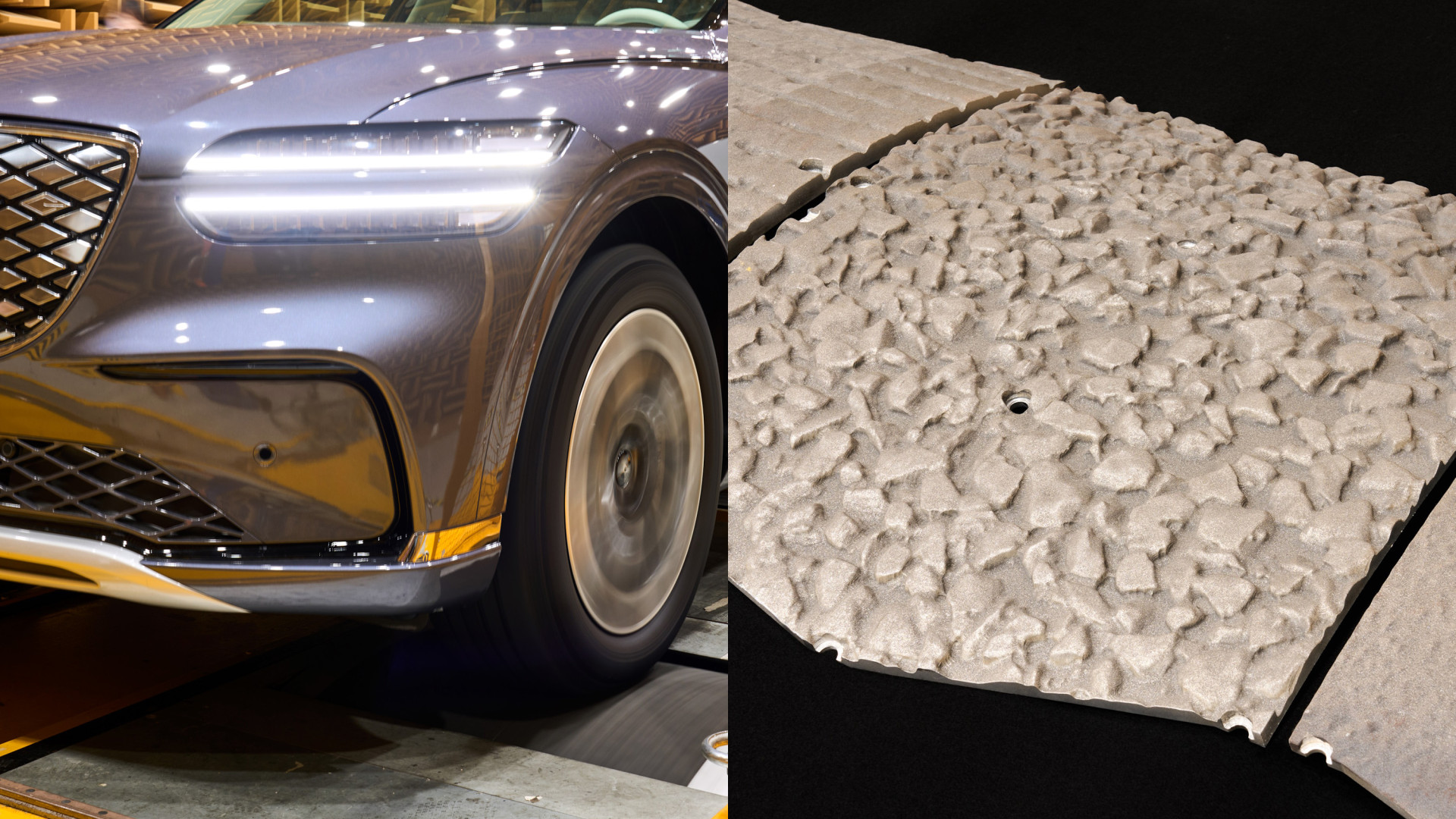
The surface patches used in road noise testing are modeled to replicate a variety of real-world road textures, including rough, bumpy and smooth surfaces. Significant effort is invested to ensure these patches produce results that closely mirror actual driving conditions. For example, a 3D camera is employed to scan the rough surfaces of key roads, capturing every detail needed to create realistic road surface patches. Additionally, factors such as the rebound coefficient of materials like asphalt and concrete are carefully considered to reproduce the physical properties of real road surfaces as accurately as possible. This attention to detail ensures that Genesis can effectively evaluate and refine its vehicles for optimal driving comfort and a serene sound experience.

Road noise can be classified into booming, resonance, rumbling and high-frequency sounds, with tonal variations influenced by the tire’s grip and friction characteristics on different road surfaces. To fully understand these dynamics, tests are conducted across a range of driving scenarios, including acceleration, deceleration and steady-speed conditions. Standard noise measurements are taken from the driver’s seat, providing key data on cabin acoustics. In some models, additional microphones are also strategically positioned at the ear level of rear-seat passengers. This comprehensive approach ensures that noise levels and tonal qualities are evaluated across the vehicle, delivering a refined and consistent acoustic experience for all occupants.
Managing Vibrations to Minimize Road Noise
While reducing road noise may typically be considered the responsibility of tire manufacturers, it also highlights the expertise of automakers in creating a holistic driving experience. Tires play the most significant role in generating road noise, but the suspension system and vehicle body are equally crucial in managing it. If these systems fail to absorb the vibrations transmitted through the tires, those forces can amplify, resulting in heightened road noise within the cabin.
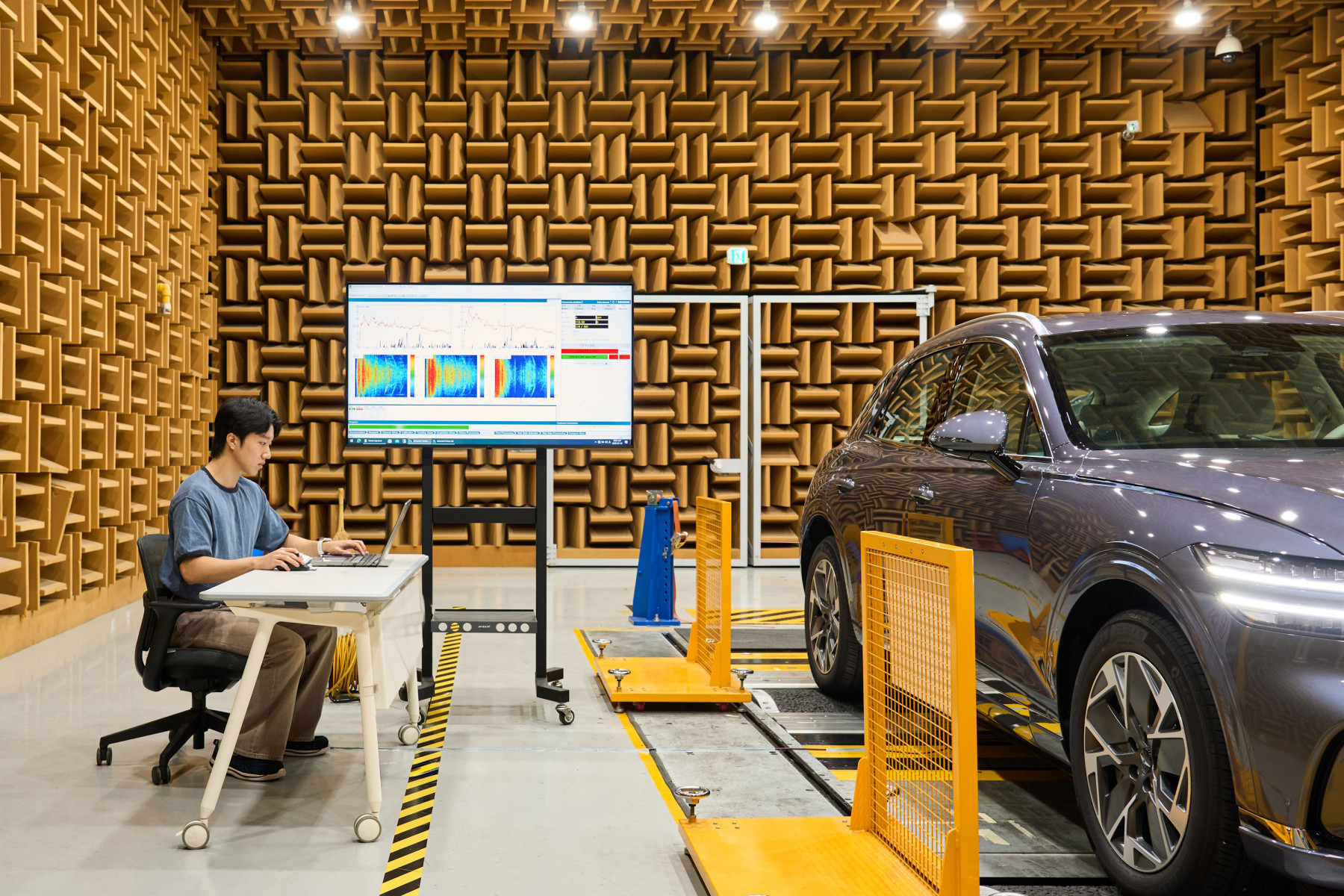
For example, when vibrations from the tires are transferred to the suspension system, and the vibration-damping performance of components like bushings is insufficient, these vibrations can travel through the suspension and into the vehicle body. Low-frequency vibrations below 500 Hertz, which are challenging to absorb or dampen with interior materials such as trim, can create an unpleasant experience for both the driver and passengers. Beyond their impact on NVH, these tire-induced vibrations also affect fuel efficiency, handling and overall driving comfort.
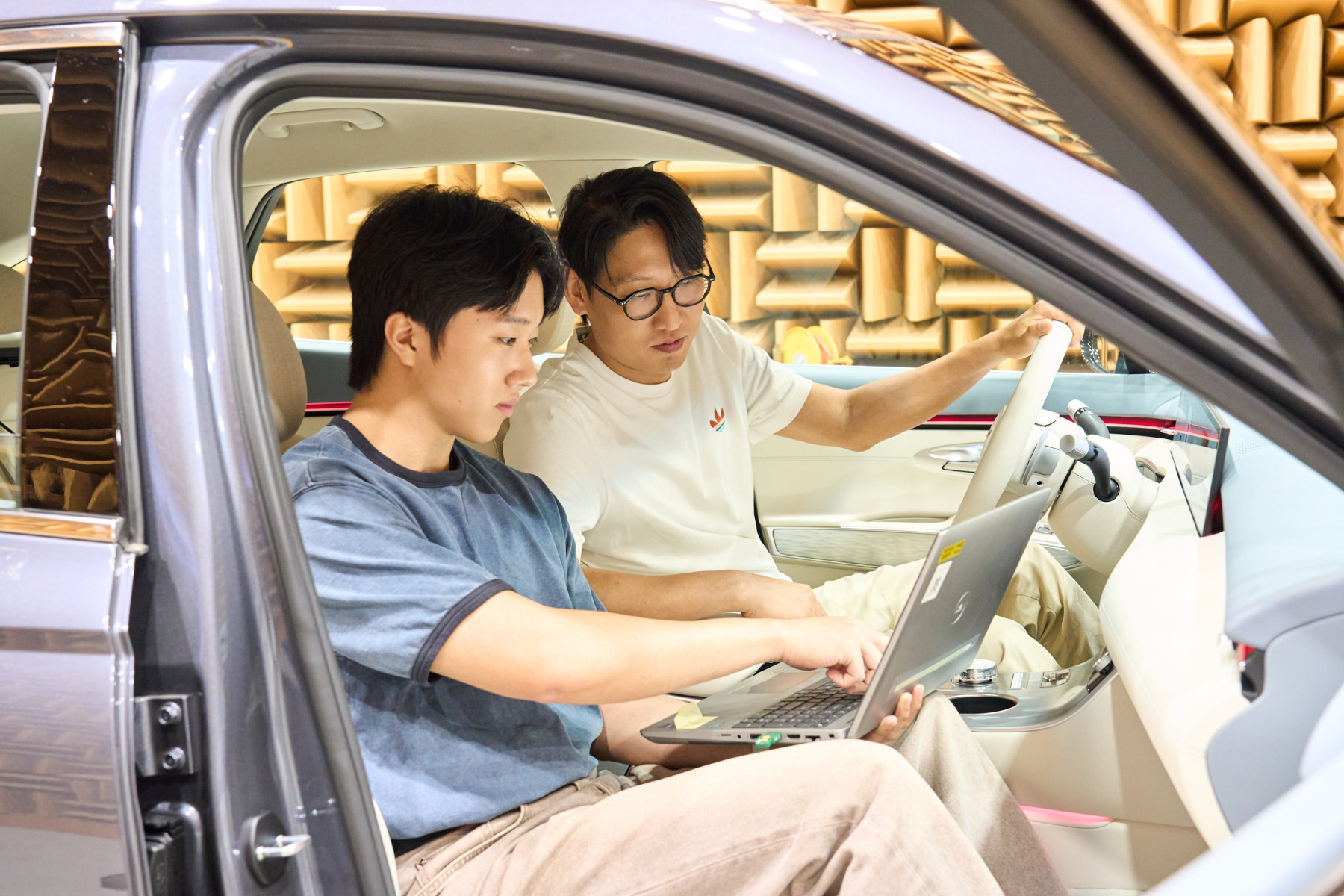
To deliver a comfortable and enjoyable driving experience, the R&D Center utilizes advanced mechanical design techniques to optimize the performance of underbody components and bushings. Researchers analyze isolation performance and phase relationships to ensure that vibrations from the wheel hub assembly — where the wheels and tires are mounted — are not directly transmitted to the vehicle body. By measuring and analyzing the vibrational sensations experienced by the driver, every detail is refined to enhance the enjoyment of the driving experience.
One of the defining advantages of an EV is its quiet and serene driving experience. Without the masking effect of engine noise present in internal combustion engine vehicles, external sounds become more noticeable, demanding a more sophisticated NVH design. Road noise, an inevitable byproduct of driving, is no exception. To address this, the Noise and Vibration Technology Team performs rigorous road noise testing while evaluating sound-absorbing materials and various components. This approach allows the team to continually refine NVH performance, delivering an even quieter and more comfortable driving experience.
Precision Sound Testing in a Virtual Environment
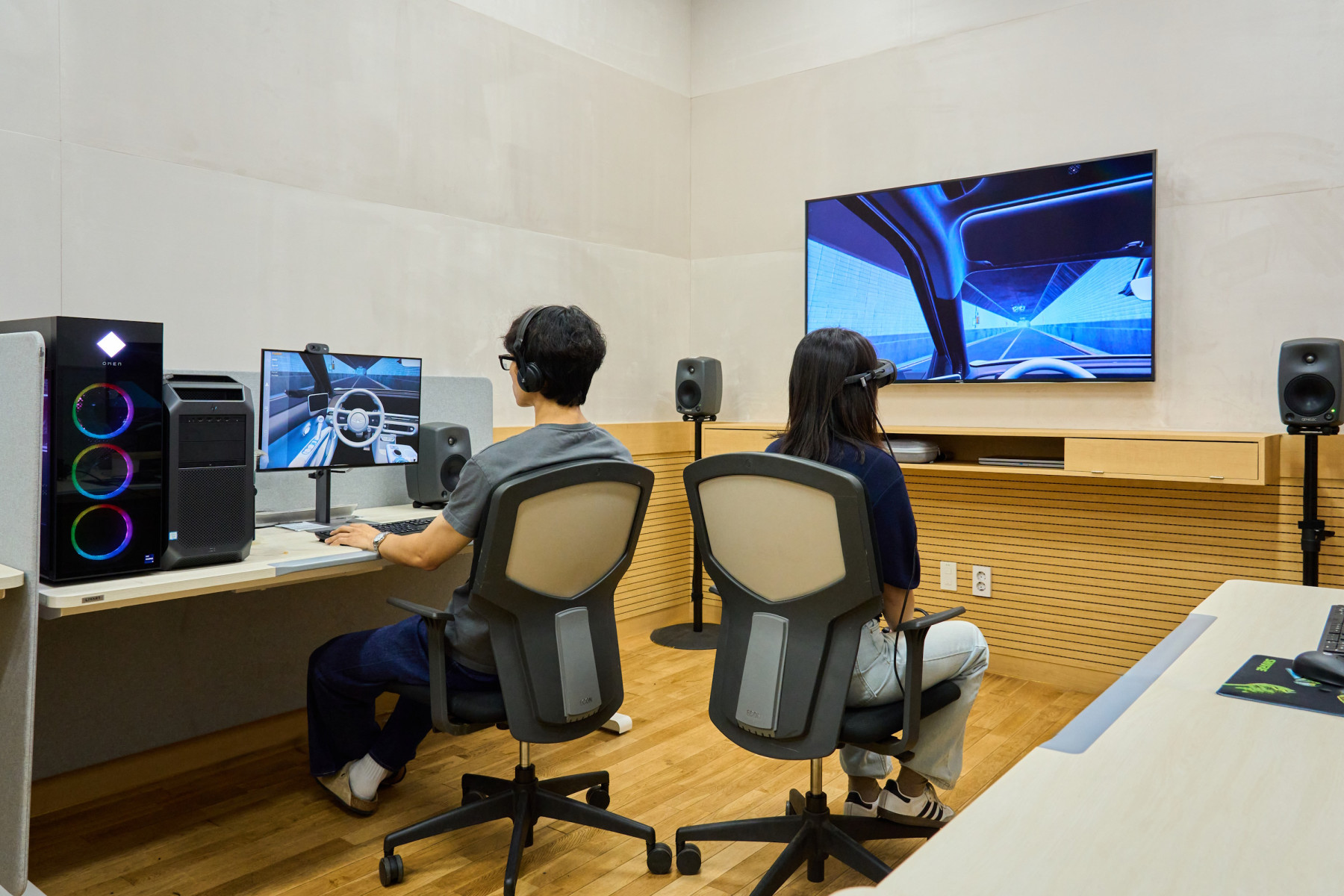
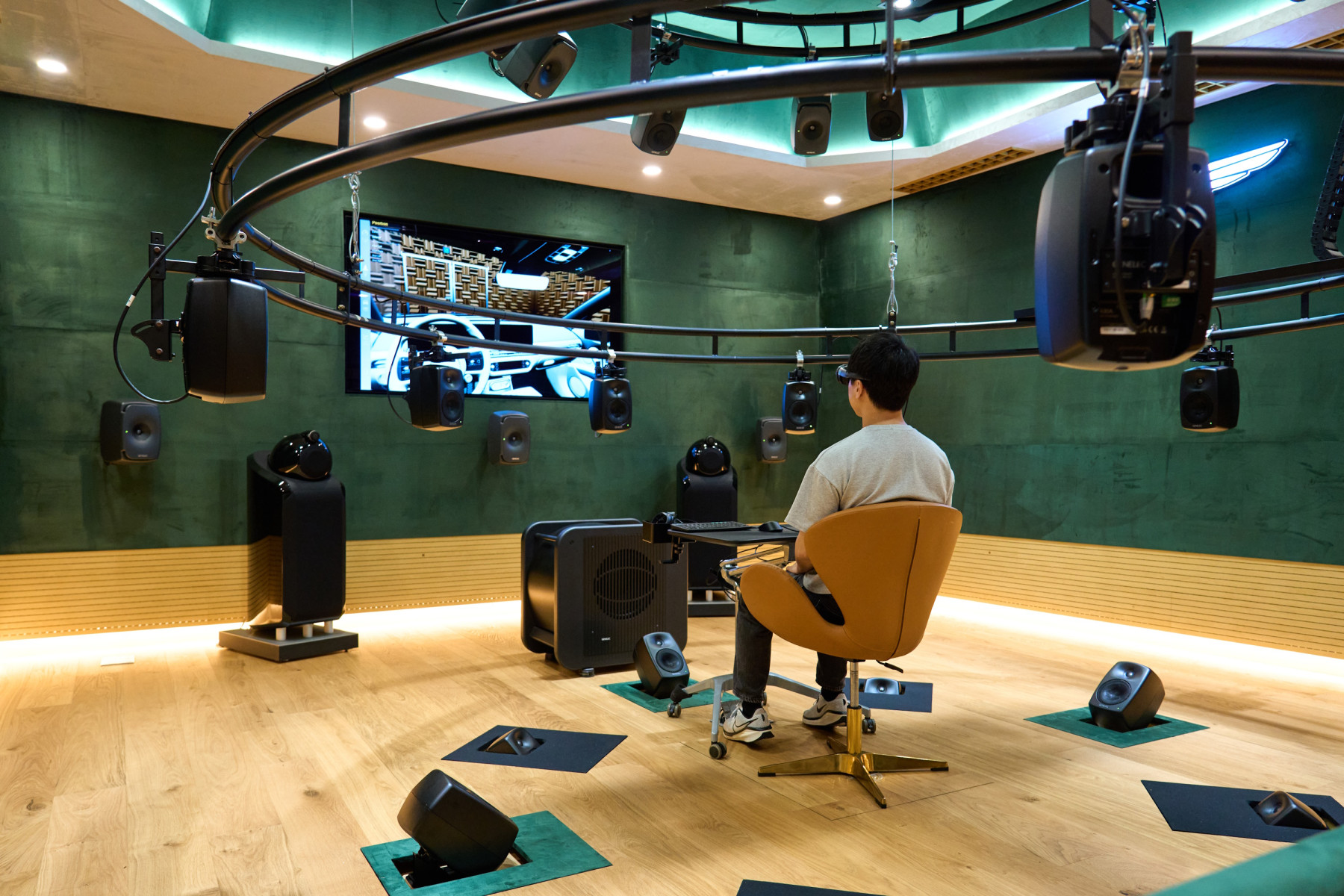
The Immersive Sound Studio is a facility that harnesses virtual reality (VR) technology to analyze and optimize automotive sound with precision. Equipped with VR devices and a spatial sound system, the studio validates a wide range of acoustic characteristics throughout the entire vehicle development process, enhancing both accuracy and efficiency. A standout feature is the Virtual Environment Evaluation Lab, which recreates a variety of sounds — such as engine noise, wind noise and road noise — within a 3D virtual space designed to replicate real-world testing conditions. This innovative approach allows Genesis to refine the quality of sound for elevated auditory comfort.
Sound Analysis Through Virtual Reality
The Virtual Environment Evaluation Lab is a VR-powered simulation space that replicates a wide range of environments, including outdoor test tracks, model roads, anechoic chambers, tunnels, intersections and even indoor parking lots. Built using Unreal Engine — a leading tool in 3D game development — the lab seamlessly integrates advanced VR technology into the vehicle development process. This virtual setup not only enhances the precision of environmental simulations but also enables global collaboration. For instance, research teams and facilities from around the world can participate in joint evaluations remotely, streamlining the development process while maintaining accuracy and efficiency.
The purpose of adopting VR environments in vehicle development is to reduce sensory bias. Humans perceive information through a combination of the five senses, but when only one sense is isolated it can heighten and distort the perception of an experience. For example, the sound of driving at 100 kilometers per hour, played at the same volume while stationary, may be perceived as louder. By incorporating VR to provide visual cues — such as the perspective from a moving vehicle — sound can be evaluated within the context of real driving conditions.
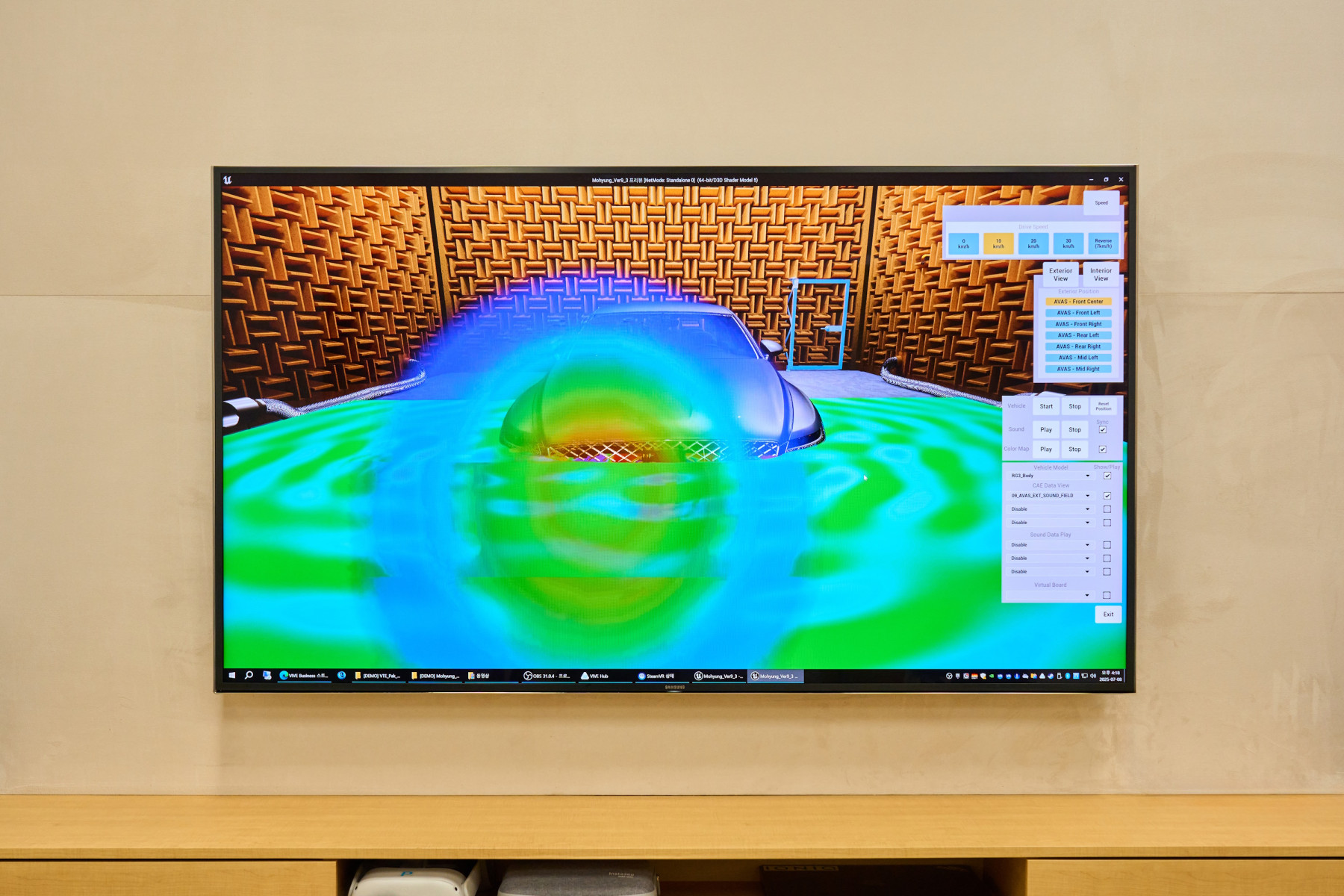
The Virtual Environment Evaluation Lab takes sound analysis to the next level by enabling both visualization and in-depth evaluation of acoustic properties. Rather than simply playing pre-recorded audio, the lab uses virtual sound that replicates the acoustic transmission characteristics of a vehicle. These sound properties are displayed visually alongside the actual sound, creating a comprehensive analysis platform. For instance, when testing the Acoustic Vehicle Alerting System (AVAS) for EVs, the lab can evaluate how the sound experienced by pedestrians changes based on the placement of the speakers. By combining auditory information with visual context, the lab allows for more accurate and precise evaluations of the soundscape as experienced by both customers and external audiences.
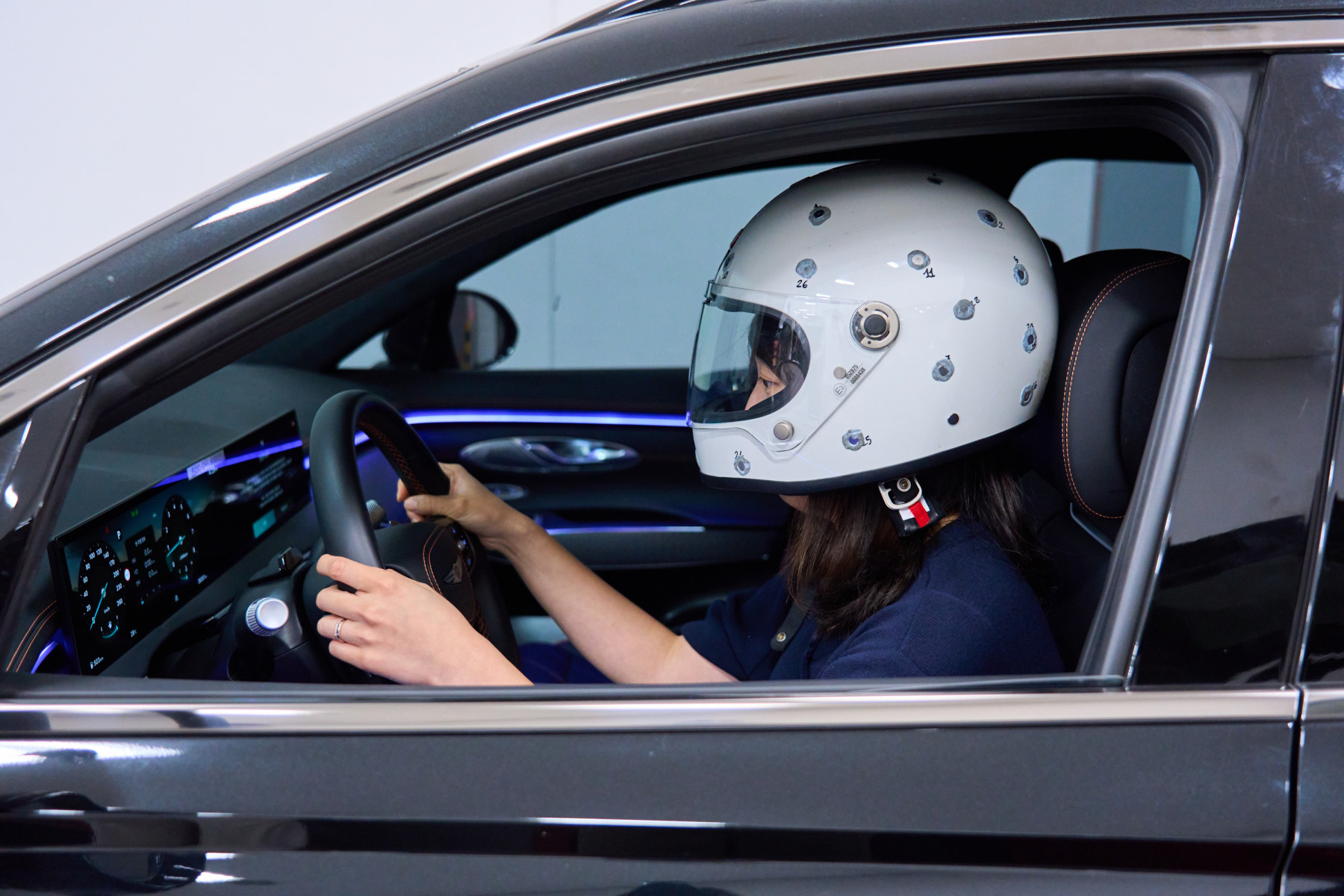
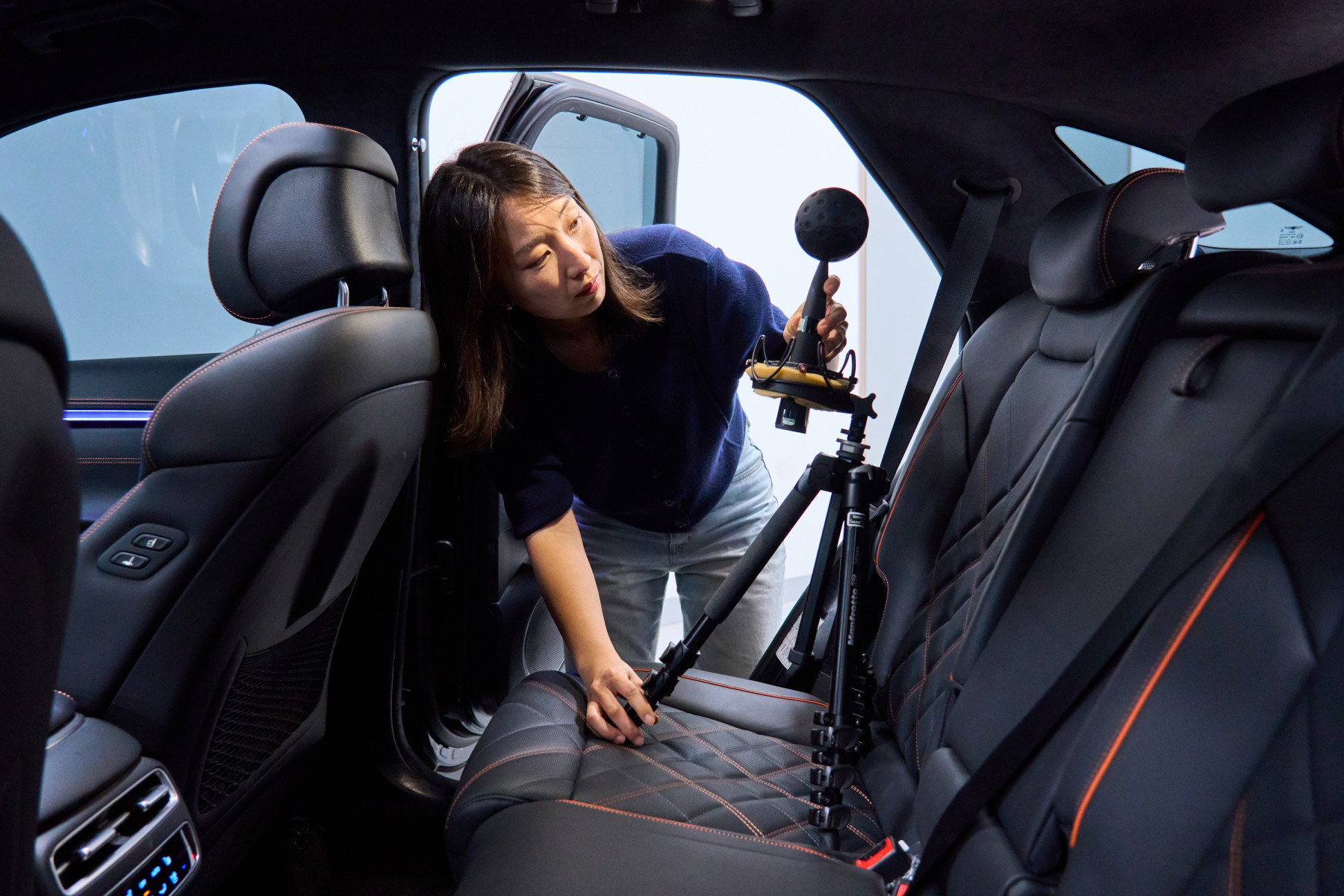
Building a virtual sound environment requires the collection and integration of extensive acoustic data. Real vehicle sounds are recorded using state-of-the-art technologies to ensure precise and accurate acoustic replication. For example, when capturing spatial sound, a spherical microphone array with 64 tightly packed sound sensors is employed to collect three-dimensional audio, providing a fully immersive sound profile. Additionally, to record sound from the driver’s perspective, a proprietary helmet microphone system is used to measure road and interior noise exactly as it would be experienced by the driver.
A Space Where the Sounds of Future Mobility are Designed
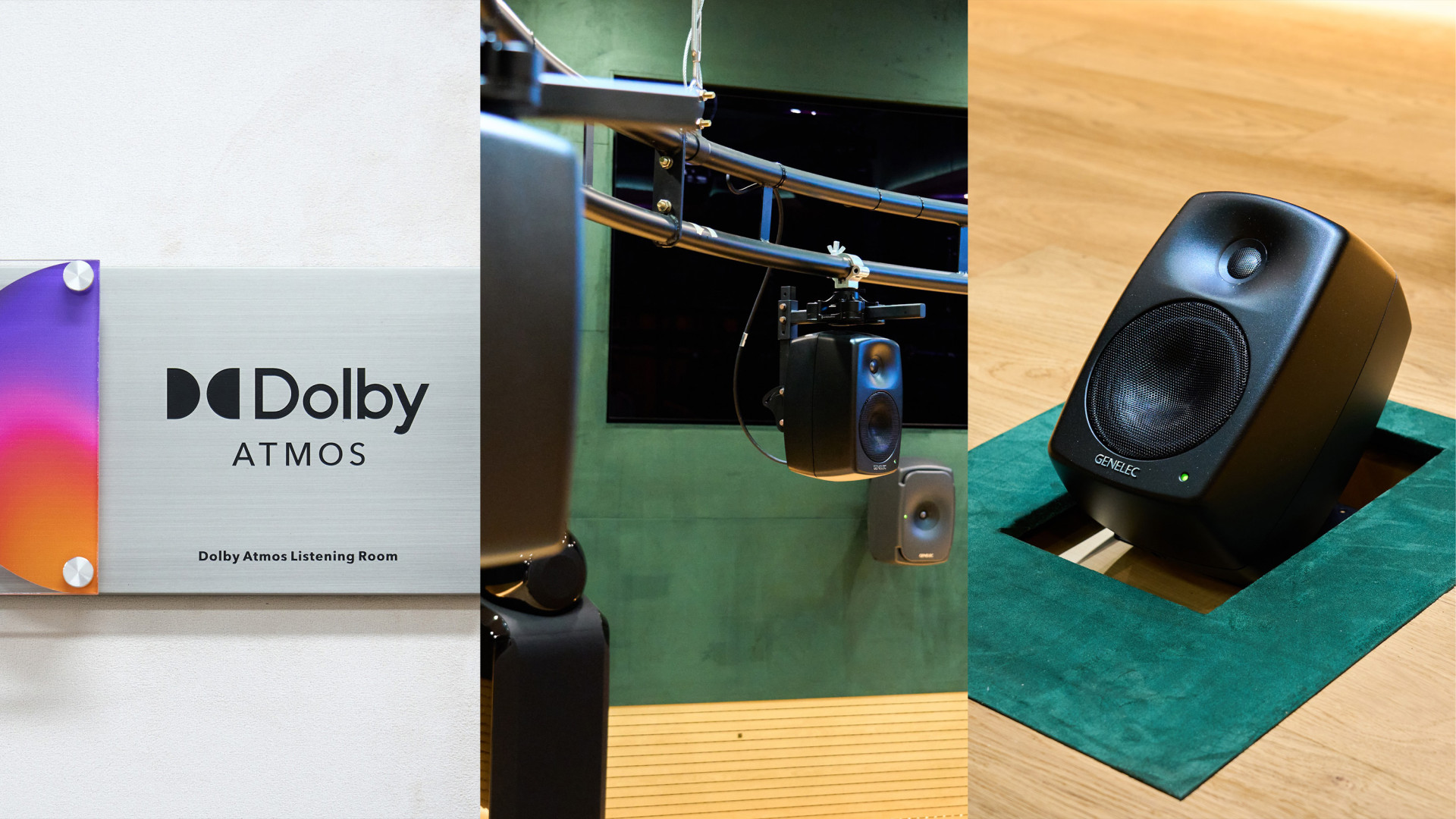
The Immersive Sound Studio is a facility where measurement and analysis results of vehicle NVH and driving sounds are brought to life through spatial audio. What sets it apart is the world’s first implementation of a “variable spatial sound speaker system.” This innovative system allows seamless switching between fourth-order Ambisonics (25 channels) and Dolby Atmos (7.1.4 channels) using a sophisticated three-dimensional speaker array paired with a real-time control system.
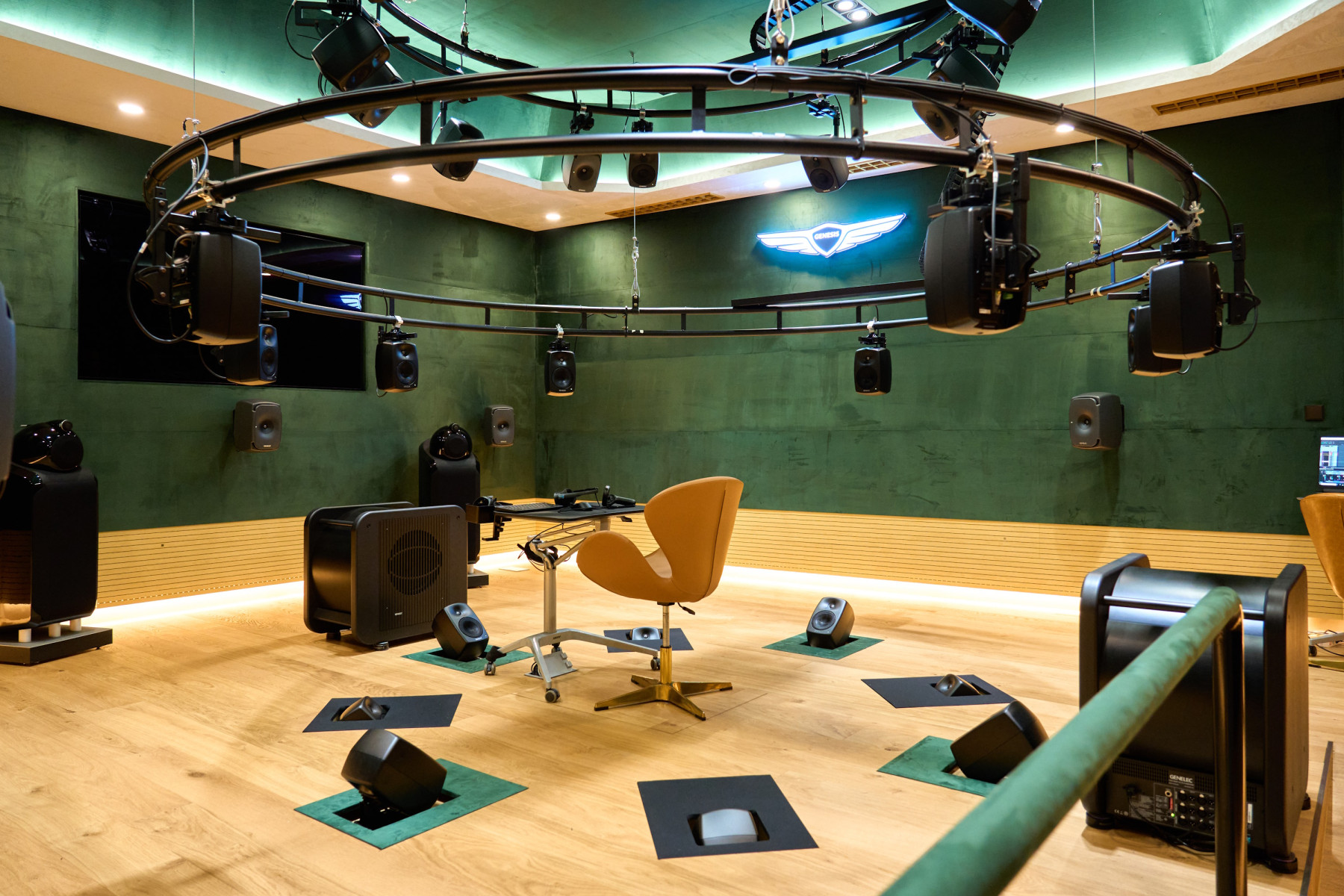
The speaker configuration within the Immersive Sound Studio adapts based on whether Ambisonics or Dolby Atmos is being utilized, each serving distinct purposes in sound analysis and experience. Ambisonics is a technology that captures and reproduces the sound field characteristics of a space using mathematical analysis and combination processes to measure sound from a single point in the environment. In contrast, Dolby Atmos is designed for creating and experiencing content like music or films, enabling each sound element to emanate from specific directions as intended by its creator. Reflecting these differences, Ambisonics is primarily employed for NVH research in vehicles, ensuring accurate replication of the soundscape, while Dolby Atmos is used for entertainment-focused studies, refining the in-cabin audio experience for enjoyment and engagement.
The Immersive Sound Studio produces spatial audio that delivers an immersive sense of realism, closely mirroring actual driving conditions. This technology enables the precise reproduction of the spatial perception and realism of sounds as experienced by customers during real-world driving. These highly accurate sound simulations are integrated into all sound-related development and testing processes, ensuring that the auditory experience aligns with what customers actually hear. This customer-centric approach enhances decision-making and streamlines the development process. Additionally, the studio supports accelerated progress through collaborative evaluations with overseas research centers and external partners, fostering innovation and efficiency on a global scale.
Meanwhile, the Virtual Sound Group, responsible for vehicle sound development, is accelerating the advancement of virtual acoustic environment technologies in preparation for future mobility. In the era of autonomous vehicles, the orientation and arrangement of interior seats may frequently change based on need, necessitating the development of innovative sound control technologies to address these challenges. Additionally, to deliver consistent, high-quality sound experiences to customers, testing under diverse conditions is essential. The Virtual Sound Group is preparing to actively adapt to the evolving mobility landscape by conducting these tests within virtual acoustic environments.
Genesis EVs are known for more than just their impressive performance. This is rooted in their ability to deliver truly satisfying and immersive driving experiences. Each Genesis EV reflects the unwavering dedication and meticulous effort of researchers committed to crafting vehicles of exceptional quality. At the Namyang R&D Center, these efforts continue tirelessly, with a focus on overcoming the challenges of weather, time and space. Through advanced research and innovation, Genesis remains steadfast in its mission to develop even more refined, customer-focused EVs that set new standards in luxury and excellence.