

GENESIS MAGMA RACING'S 2026 WEC SEASON GUIDE PART 3: PIT STOPS
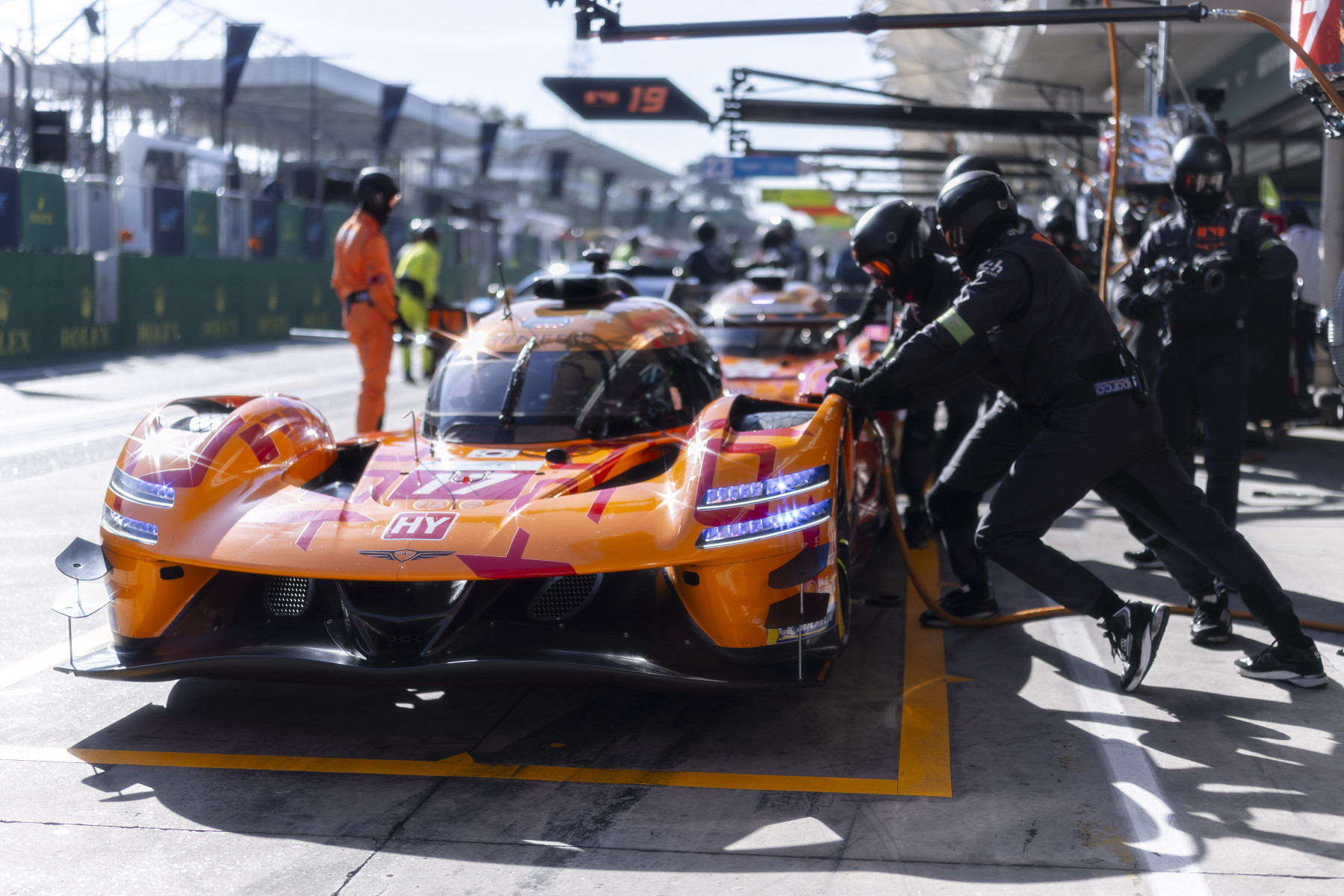
INTERLAGOS, Brazil, Aug. 18, 2026 — Just four weeks after its first 24 Hours of Le Mans, the FIA World Endurance Championship’s (WEC) first South Korean manufacturer team, Genesis Magma Racing, recently crossed the finish line at the 6 Hours of São Paulo in Interlagos, Brazil.
The team’s goals for their debut season were simple and modest — finish each race, improve the cars, improve the drivers, improve the team.
In endurance racing, distance covered matters more than speed, so every second a Hypercar spends off the track and stationary in the pit lane matters. Genesis Magma Racing made it to Hyperpole for the second race in a row and showed serious pace during the race at Interlagos. Both #17 and #19 GMR-001 Hypercars showed strong reliability to complete a race without technical issues for the first time, but penalties and small mistakes limited the results the team could achieve.
For a team determined to prove itself, there is no room for error — no margin for the mistakes that cost races. A pit stop at any race is controlled chaos where timing, precision and trust are the only things standing between finishing the race, or not.
Box, Box!
“Box, box!” These two words signal the driver to enter the pit lane for a pit stop. As the car enters the pit lane, the driver activates the pit lane speed limiter, slowing to the pit lane speed limit of 60 kilometers per hour.
The car screams into the pit box, stopping where the car controller holds his marker, or lollipop. The car controller holds complete responsibility for the safety of the entire pit stop operation.
Nothing else happens until the engine is shut off and the car is electrically grounded.
Only then does the refueler move — the only person authorized to operate the fuel line. The refueler connects the fuel hose to the Hypercar. For the next 40 seconds, 80 liters will flow into the GMR-001 Hypercar's tank.
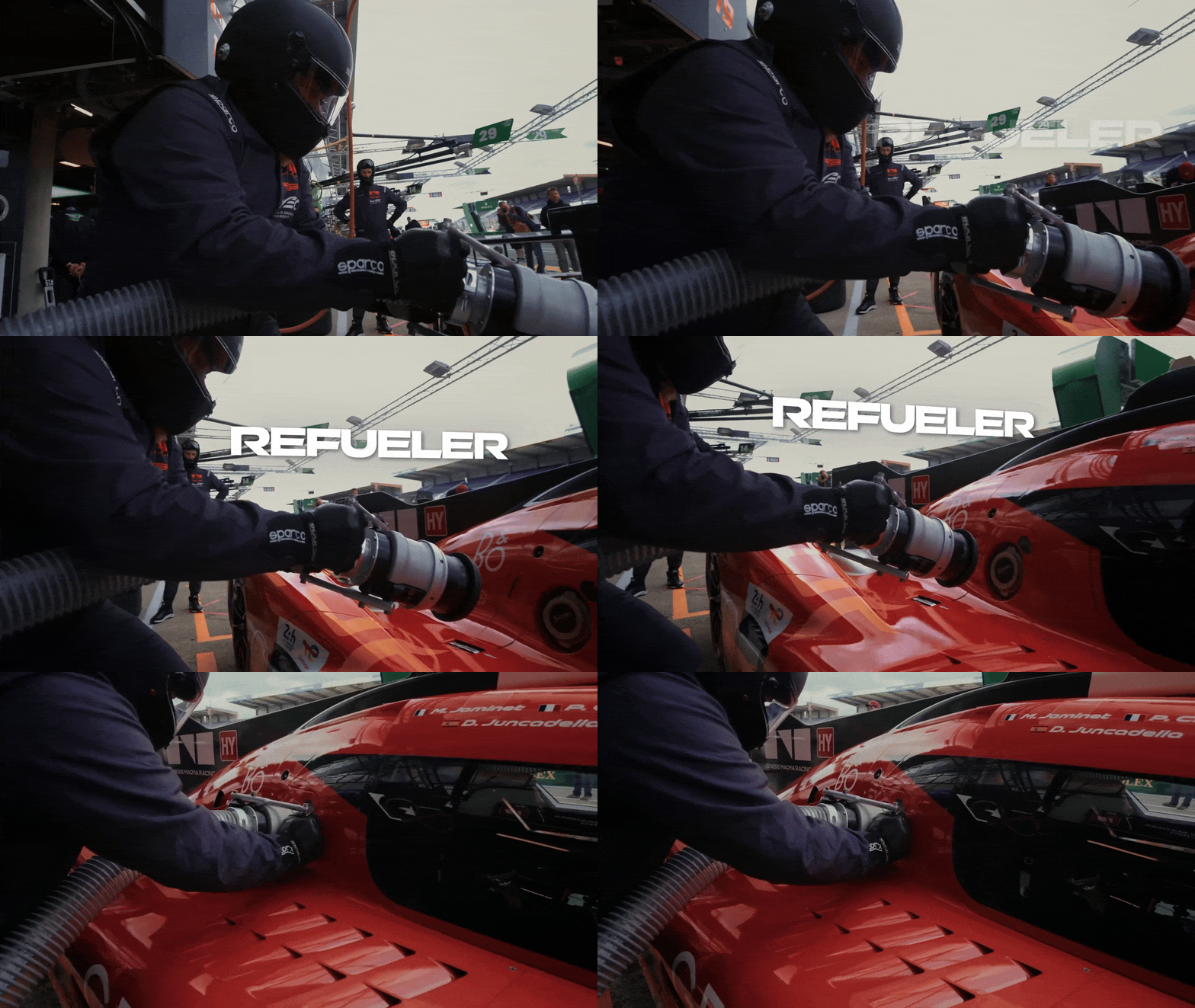
Strict safety rules prohibit almost every other action while the refueler completes their task. Only one other person is permitted to touch the car — the pit crew member assigned to clean the windshield. The front wheel gunner launches onto the front of the Hypercar, wiping away dirt and debris. The driver's vision must be unobstructed as there is no margin for error at up to 330 kilometers per hour.
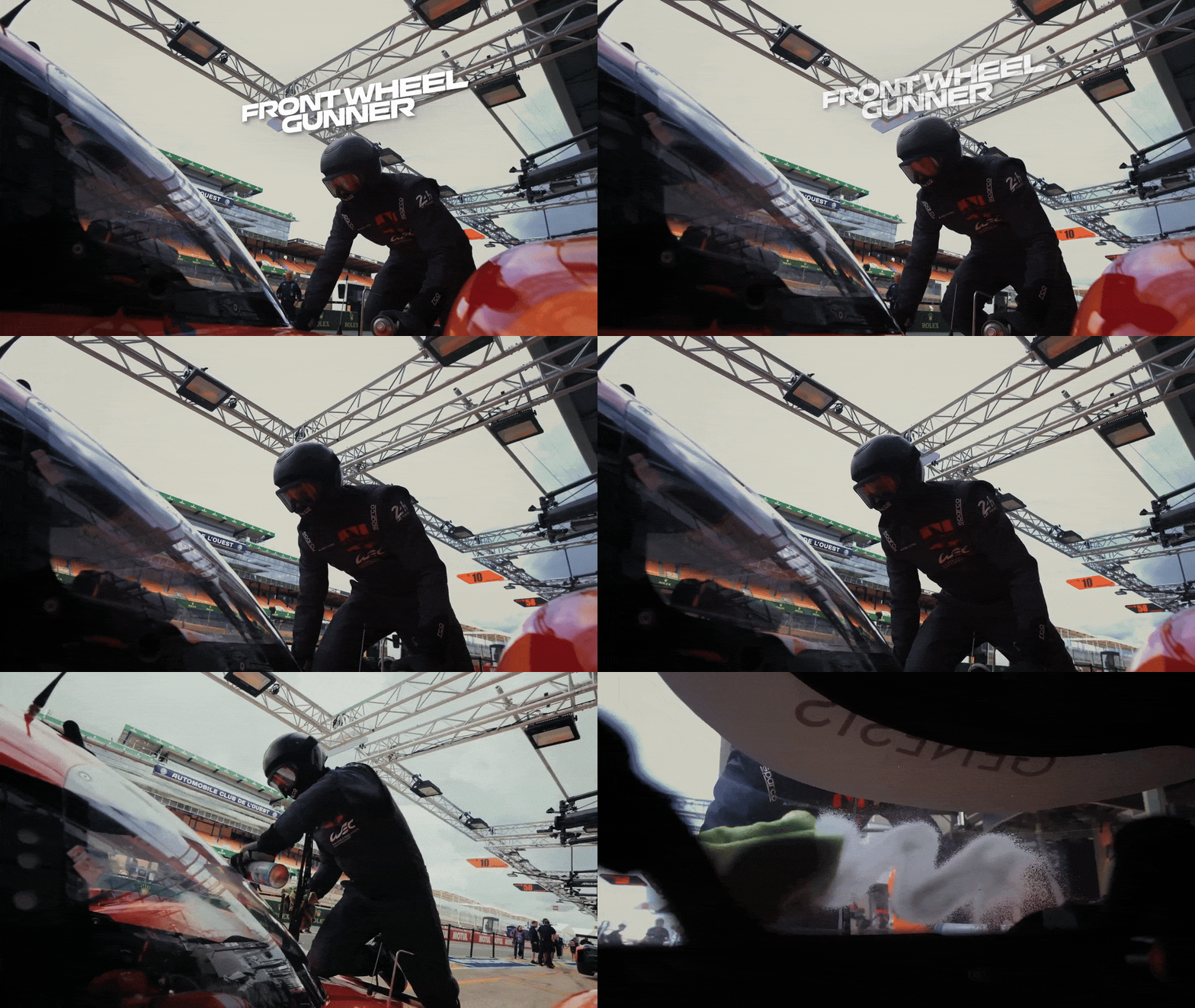
The rest of the crew is on standby, ready for their turn.
Fuel In, Wheels Off
The moment the fuel hose disconnects, everything accelerates.
A wheel carrier thrusts a lance into the side of the Hypercar to activate the integrated pneumatic jacks. All four wheels are off the ground in just a second.
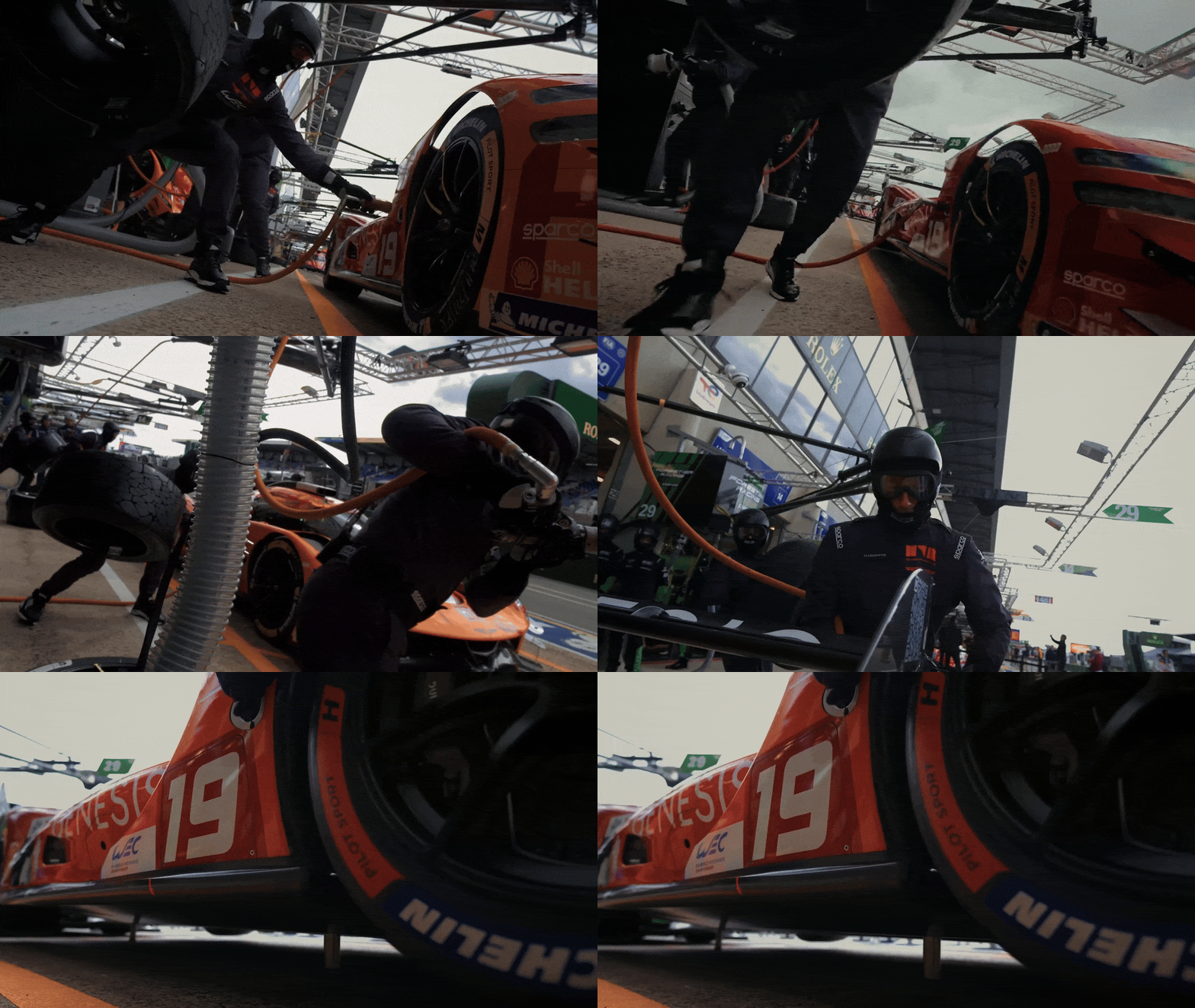
The front wheel gunner is already moving, pneumatic gun in hand, executing a motion refined through thousands of repetitions. He squeezes the trigger once, the single nut securing the front left wheel now unfastened. The wheel is then removed in just two-tenths of a second.
The wheel carrier is right behind the gunner with a fresh tire at the ready. The wheel gunner and carrier work in perfect synchronization to swap out the wheels — time and experience perfect this sequence to an art form.
Without pausing for a moment, they sprint to the right side of the Hypercar, with two other pit crew members performing identical moves on the rear wheels.
The car controller stands still, lollipop in front of the Hypercar, overseeing every moment of the stop.
The tire team removes the lance. The car drops to the ground.
All that happens in just two minutes.
The car controller raises the lollipop, and the driver sends the Hypercar back out onto the track.
See it all happen in slow motion and incredible detail in the video below:
Deciding When to Pit
The strategic timing of a pit stop in endurance racing is far more complex than simply waiting for the fuel light to come on. In the WEC, pit stops are mathematically and tactically timed to maintain position or even leapfrog competitors.
Undercut
The undercut is an aggressive, proactive strategy used when a car is stuck closely behind a rival but cannot find a clean way to pass on track.
The strategist calls the GMR-001 Hypercar into the pits one to two laps earlier than the target window. The Hypercar is fitted with fresh tires, giving it an edge over its competitors. While the rival ahead continues driving on worn tires, the driver unleashes the maximum pace of their fresh tires on their out-lap (the first lap after leaving the pit lane).
When the rival finally pits another lap or two later, their pit stop is normal, but their out-lap is slow. By the time they merge back onto the track, the GMR-001 Hypercar that pitted early — having already warmed up its fresh tires by running two blazing-fast laps — streaks past them.
Overcut
The overcut is the opposite of the undercut, used when the track is highly abrasive or when warming up cold tires is notoriously difficult, such as during cold night stints at Le Mans.
The rival car pits first. Instead of reacting immediately, the strategist instructs the GMR-001 driver to stay out for two to three more laps while they observe the competitor.
The rival exits the pits on cold tires, struggling for grip and pace. Meanwhile, the GMR-001 driver, running on fully warmed (though worn) tires, flies through clear air, clocking in faster times.
Because the GMR-001 Hypercar maintained a blistering pace while the rival was slower on cold rubber, the GMR-001 Hypercar car builds enough of a gap to pit, change tires and exit the pit lane safely ahead of the rival.
Exploiting Safety Periods
The ultimate timing coup in WEC is pitting during a Full Course Yellow (FCY) or a Virtual Safety Car (VSC). Under green flag conditions, a pit stop at a track like Spa-Francorchamps costs roughly 50 to 60 seconds of "lost time" relative to cars speeding down the straight at 300 kilometers per hour.
Under an FCY, the entire field is speed-limited to 80 kilometers per hour. Because the cars on track are moving much slower, the relative time lost by stopping in the pits drops dramatically — often saving 20 to 30 seconds.
A riskier version of the stop can be done the moment an incident occurs on track. The strategist has seconds to calculate if the pit entry is open and if they can dive in before the FCY is officially declared, or exactly as it drops. Timing this perfectly can instantly vault a car up multiple spots because the entire field is speed-limited and the cars begin to bunch up and the gaps between them get reduced.
Stay tuned for the next installment of Genesis Magma Racing's 2026 WEC Season Guide.